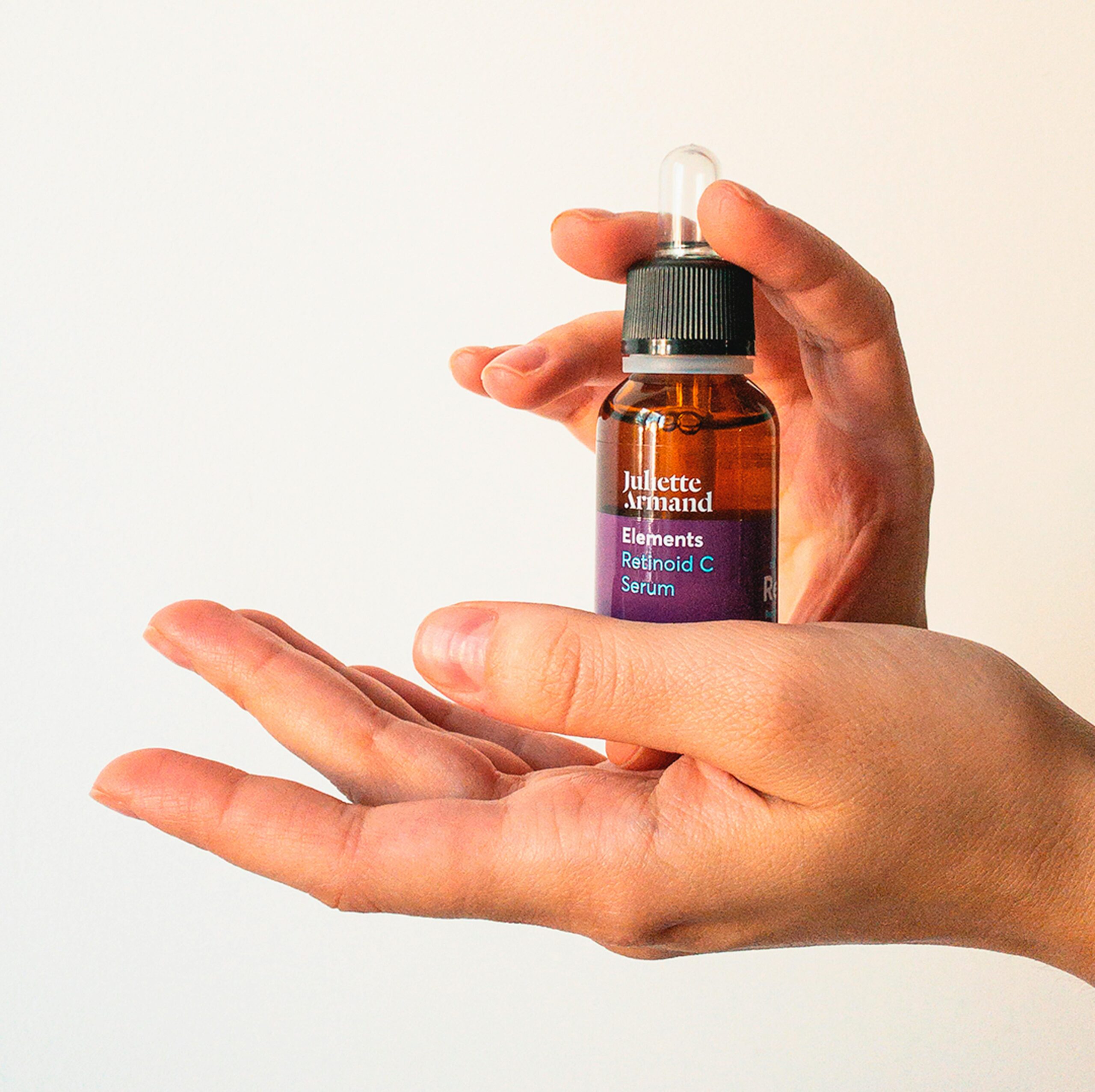
Your skin is telling you something important this week, and it’s time to listen. Whether you’ve noticed unexpected breakouts, dryness, or dullness, these changes aren’t random—they’re signals that something in your routine needs adjustment.

We’ve all been there: your skin was glowing last week, and suddenly everything feels off. The moisturizer that worked perfectly seems heavy, your cleanser feels stripping, or new blemishes appear out of nowhere. These sudden shifts can be frustrating, but they’re also opportunities to fine-tune your approach and achieve even better results. Understanding what changed and why is the first step toward getting your radiance back on track.
🔍 Identifying What Actually Changed This Week
Before you overhaul your entire skincare routine, take a moment to identify the real culprit behind your skin’s rebellion. Changes rarely happen in isolation, and your skin is responding to specific triggers that entered your life within the past seven days.
Start by considering environmental factors. Did the weather shift dramatically? A sudden drop in humidity can dehydrate your skin overnight, while unexpected heat waves trigger excess oil production. Seasonal transitions are particularly tricky—your winter routine won’t serve you well when spring arrives, and vice versa.
Next, examine your product choices. Did you introduce a new serum, switch brands, or receive a sample you couldn’t resist trying? Even seemingly minor changes, like a different makeup remover or a new facial cleanser, can disrupt your skin’s delicate balance. Sometimes the issue isn’t what you added but what you removed—skipping your usual hydrating toner or forgetting your night cream for a few days can create noticeable effects.
Internal Factors That Show Up On Your Face
Your skin is your body’s largest organ, and it reflects what’s happening inside. Stress levels directly impact cortisol production, which can trigger inflammation and breakouts. If you’ve had a particularly challenging week at work or dealt with personal pressures, your skin knows about it before your mind fully processes it.
Diet changes matter more than you might think. Increased sugar intake, dairy consumption, or skipping your usual water intake can manifest as congestion, puffiness, or dullness within days. Even celebratory indulgences—that extra glass of wine, late-night snacking, or abandoning your regular meal schedule—leave visible traces on your complexion.
Sleep disruptions are another major factor. Your skin repairs itself during deep sleep cycles, producing collagen and increasing blood flow to the surface. When you miss out on quality rest, even for a couple of nights, your skin misses its renewal window, resulting in a tired, lackluster appearance.
💧 The Moisture Balance Mystery
Hydration issues are among the most common skincare problems, yet they’re frequently misunderstood. Many people confuse dehydrated skin with dry skin, leading to incorrect product choices that worsen the situation rather than fixing it.
Dehydrated skin lacks water and feels tight, shows fine lines more prominently, and may even produce excess oil as your skin tries to compensate. Dry skin, on the other hand, lacks oil and feels rough, flaky, and may appear dull. This week’s changes might have tipped your moisture balance in either direction, and the solution depends on correctly identifying which problem you’re facing.
Quick Fixes for Hydration Emergencies
If dehydration is your issue, layer water-based products before your moisturizer. Start with a hydrating toner or essence containing hyaluronic acid, which can hold up to 1000 times its weight in water. Apply it to damp skin immediately after cleansing—this is crucial because hyaluronic acid draws moisture from the environment into your skin.
For dry skin requiring more oil, look to facial oils or richer creams containing ceramides, fatty acids, and cholesterol. These lipid-based ingredients reinforce your skin barrier, preventing water loss and restoring suppleness. Don’t be afraid of oils if your skin is breaking out—the right non-comedogenic options like squalane or rosehip oil can actually help balance sebum production.
A simple trick that works for both conditions: apply your moisturizer to slightly damp skin. This traps water in the upper layers of your epidermis, maximizing hydration regardless of your skin type. Follow with an occlusive layer at night—a thin application of petroleum jelly or a sleeping mask—to seal everything in while you rest.
🎯 Addressing Unexpected Breakouts
Few things are more frustrating than waking up to unexpected blemishes, especially when your skin was clear just days ago. Before you panic and attack your face with harsh treatments, understand that most breakouts have a 2-3 week development cycle beneath the surface before becoming visible.
This means the pimple you’re seeing today actually started forming weeks ago, triggered by something from your past, not this week. However, what changed this week might be making existing inflammation worse or preventing proper healing. Aggressive new treatments, over-exfoliation, or switching to comedogenic products can turn minor congestion into full-blown breakouts.
The Gentle Approach to Clearing Skin
Resist the urge to scrub, pick, or use multiple acne treatments simultaneously. This approach strips your skin barrier, triggers inflammation, and often makes breakouts worse. Instead, simplify your routine to gentle, proven actives that won’t overwhelm your skin.
Salicylic acid remains one of the most effective ingredients for clearing pores, working by dissolving the bonds between dead skin cells. Use it once daily, preferably at night, in concentrations between 0.5-2%. Pair it with a soothing ingredient like niacinamide to reduce inflammation without adding irritation.
For spot treatments, benzoyl peroxide in 2.5% concentrations works just as effectively as higher percentages without the excessive dryness. Apply it only to active blemishes rather than your entire face, and always follow with moisturizer to prevent peeling and irritation.
✨ Bringing Back Your Natural Glow
Dullness is perhaps the most common complaint when something in your routine goes wrong. That enviable radiance depends on multiple factors working together: proper cell turnover, adequate hydration, good circulation, and a healthy skin barrier.
When any of these elements falters, your complexion loses its luminosity. This week’s changes might have disrupted your exfoliation schedule, altered your skin’s pH balance, or simply prevented proper product absorption. The good news is that glow is relatively quick to restore once you address the underlying issue.
Exfoliation: Finding Your Sweet Spot
Over-exfoliation and under-exfoliation both create dullness, though through different mechanisms. Too much exfoliation strips away protective layers faster than your skin can regenerate them, leaving you red, sensitive, and lackluster. Too little exfoliation allows dead cells to accumulate, creating a barrier that prevents light reflection and makes skin look flat.
Most people benefit from chemical exfoliation 2-3 times weekly using AHAs (like glycolic or lactic acid) for surface smoothing or BHAs (like salicylic acid) for deeper pore cleaning. If you’ve been exfoliating daily or using multiple acids simultaneously, scale back immediately. If you haven’t exfoliated in weeks, reintroduce it gradually to avoid overwhelming your skin.
Physical exfoliation through gentle tools like konjac sponges or soft muslin cloths can complement chemical exfoliants, but avoid harsh scrubs with jagged particles that create microtears. Your skin should feel smooth and soft after exfoliating, never raw or stinging.
🛡️ Repairing Your Skin Barrier
Your skin barrier is the unsung hero of healthy skin, and when it’s compromised, everything else falls apart. This protective layer keeps moisture in and irritants out, maintaining the optimal environment for cell function. Unfortunately, it’s also easily damaged by common skincare mistakes.
Signs of barrier damage include increased sensitivity, redness, tightness, burning sensations with product application, and paradoxically both dryness and oiliness in different areas. If this week brought any of these symptoms, barrier repair should be your top priority—nothing else will work until this foundation is restored.
The Barrier-Repair Protocol
Simplify immediately. Strip your routine down to three essentials: a gentle cleanser, a barrier-repair moisturizer, and sunscreen. Remove all actives including retinoids, acids, and vitamin C until your skin feels normal again. This might take anywhere from a few days to several weeks depending on the damage severity.
Look for products containing ceramides, cholesterol, and fatty acids in a 3:1:1 ratio—this mimics your skin’s natural lipid composition and speeds repair. Centella asiatica, also called cica or tiger grass, provides anti-inflammatory benefits without irritation. Colloidal oatmeal soothes while supporting barrier function.
During this recovery period, avoid hot water, harsh cleansing tools, and any unnecessary rubbing or manipulation. Pat products onto your skin gently rather than rubbing them in. Sleep on a clean silk or satin pillowcase to minimize friction overnight. Your patience during this healing phase will be rewarded with stronger, more resilient skin.
⏰ Timing Matters More Than You Think
When you apply your products can be just as important as what you apply. This week’s skin changes might stem from altered timing rather than the products themselves. If your schedule shifted—staying up later, rushing through your morning routine, or skipping steps due to time constraints—your skin noticed.
Certain ingredients work better at specific times. Retinoids and AHAs increase photosensitivity and belong exclusively in nighttime routines. Vitamin C provides antioxidant protection against environmental damage and works best in the morning under sunscreen. Hydrating products can be used any time, but heavier occlusives are most effective at night when they can seal in other products without interfering with makeup.
Creating a Sustainable Routine Schedule
Consistency trumps complexity every time. A simple routine performed reliably morning and night outperforms an elaborate 12-step process you only manage a few times weekly. If this week exposed timing issues in your routine, redesign it around your actual lifestyle rather than an idealized version.
Morning routines should focus on protection: gentle cleansing, antioxidants, hydration, and broad-spectrum SPF 30 or higher. Keep it quick enough that you’ll actually do it every single day, even when you’re rushed. Five essential minutes beats zero time when you’re overwhelmed.
Evening routines allow more time and steps since you’re not rushing out the door. This is when you cleanse more thoroughly, apply treatment products like retinoids or acids, and layer heavier moisturizers. Your skin also repairs itself during sleep, making nighttime the ideal window for active ingredients to work their magic.
🌡️ Environmental Adjustments for Changing Conditions
Your skincare needs fluctuate with environmental conditions more than most people realize. What works perfectly in climate-controlled indoor spaces might fail completely when you’re exposed to wind, sun, cold, or humidity extremes. This week might have brought environmental shifts your routine couldn’t accommodate.
Indoor heating during cold months drops humidity levels dramatically, accelerating moisture loss from your skin. Air conditioning in summer does the same thing. If you’ve recently cranked up either system or spent more time in climate-controlled environments, your skin is probably dehydrated regardless of your skin type.
Adapting to Immediate Environmental Needs
Invest in a humidifier for rooms where you spend significant time, especially your bedroom. Maintaining 40-60% humidity helps your skin retain moisture naturally, reducing how much work your products need to do. This simple change can transform chronically dry skin within days.
If you’ve been outside more this week—spring finally arriving, a vacation, or simply enjoying better weather—your sun exposure increased even if you weren’t deliberately sunbathing. UV rays penetrate clouds and windows, causing cumulative damage that manifests as dullness, dehydration, and accelerated aging. Recommit to daily SPF application and reapplication every two hours during extended outdoor time.
Wind and cold physically damage your skin barrier through constant friction and temperature stress. If you’ve faced harsh weather this week, add a protective balm or thicker moisturizer before going outside. Think of it as a shield that prevents environmental factors from undoing all your careful skincare work.
📊 Tracking What Works: Your Skincare Journal
The most effective tool for preventing future skincare emergencies is also the simplest: keeping track of what you use and how your skin responds. You don’t need elaborate systems—just consistent notes that help you identify patterns over time.
When something changes with your skin, you’ll have a reference point showing exactly what you used, environmental factors, stress levels, diet changes, and any other variables. This historical data transforms skincare from guesswork into a personalized science, showing you exactly what your unique skin needs under different conditions.
What to Track for Maximum Insight
Record your products morning and night, noting when you introduce anything new. Track your skin’s condition daily using simple descriptors: oily, dry, clear, breaking out, glowing, dull, sensitive, or calm. Note major life factors like stress levels, sleep quality, diet changes, exercise, and environmental conditions.
Monthly photos in consistent lighting reveal changes your eyes might miss when you see yourself daily. Take them makeup-free in natural light from the same angle and distance. Over time, these images show which approaches actually deliver results versus which just promise them.
Review your journal weekly, looking for connections between your actions and your skin’s reactions. You might discover that dairy causes breakouts three days later, that you need heavier moisturizer below 40-degree weather, or that missing sleep affects your skin more than skipping your serum. These personalized insights are more valuable than any generic skincare advice.

🚀 Moving Forward with Confidence
This week’s skincare challenges don’t define your journey—they’re simply information helping you understand your skin better. Every unexpected change, frustrating breakout, or dull morning teaches you something valuable about what your skin needs and how it responds to different factors.
The key is responding thoughtfully rather than reactively. Resist the urge to overhaul everything at once or pile on multiple new products hoping something works. Instead, make one targeted change at a time, give it at least a week to show effects, and adjust based on results. This measured approach prevents additional disruption while systematically addressing whatever changed.
Remember that perfect skin doesn’t exist—healthy, resilient skin that recovers quickly from occasional issues is the realistic goal. By understanding what changed this week and how to fix it, you’re building the knowledge and confidence to handle whatever comes next. Your skin is communicating with you constantly; learning its language transforms frustrating problems into manageable solutions.
Start with the most likely culprit based on your week’s events, implement the appropriate fixes, and give your skin the time and consistency it needs to respond. Within days, you’ll likely see improvement, and within weeks, you’ll have your glow back—along with valuable insights that prevent similar issues in the future. Your radiant results are waiting just beyond these temporary challenges. 🌟