If you’ve ever scrolled through skincare content online, you’ve probably heard the word “retinoid” thrown around like confetti. This powerful ingredient has earned legendary status in the beauty world, and for good reason—it delivers real, visible results.

Whether you’re dealing with stubborn acne, fine lines, uneven texture, or just want that enviable glow everyone’s after, retinoids might be your skin’s new best friend. But before you dive headfirst into the retinoid pool, there’s some essential knowledge you need to navigate this ingredient safely and effectively. Let’s break down everything you need to know about incorporating retinoids into your routine for radiant, healthy skin that makes you feel confident.
What Exactly Are Retinoids and Why Does Everyone Rave About Them? 🔬
Retinoids are derivatives of vitamin A, one of the most researched and scientifically-backed skincare ingredients available today. They work by communicating with your skin cells, essentially telling them to behave like younger, healthier versions of themselves.
The magic happens at a cellular level. Retinoids accelerate cell turnover, which means your skin sheds dead cells faster and generates fresh ones more efficiently. This process addresses multiple skin concerns simultaneously—something very few ingredients can accomplish.
What makes retinoids particularly special is their ability to penetrate deep into your skin’s layers. Unlike many topical treatments that only work on the surface, retinoids actually change how your skin functions from within, promoting collagen production and improving skin structure over time.
The Retinoid Family Tree: Understanding Your Options
Not all retinoids are created equal, and understanding the different types will help you choose the right one for your skin journey. The retinoid family includes several members, ranging from gentle over-the-counter options to prescription-strength powerhouses.
Retinol: The Gateway Retinoid ✨
Retinol is probably the most well-known over-the-counter retinoid option. It’s gentler than prescription alternatives because your skin needs to convert it into retinoic acid (the active form) before it can work its magic. This conversion process makes retinol more forgiving for beginners.
You’ll find retinol in various concentrations, typically ranging from 0.25% to 1%. Starting with a lower percentage is crucial if you’re new to retinoids, as jumping in with a high concentration can overwhelm your skin.
Retinaldehyde: The Middle Ground
Retinaldehyde sits between retinol and prescription retinoids in terms of strength. It converts to retinoic acid faster than retinol, making it more effective but still relatively gentle. This option works well for people who’ve built tolerance to retinol but aren’t ready for prescription strength.
Tretinoin and Adapalene: Prescription Territory
These are the heavy hitters of the retinoid world. Tretinoin (brand name Retin-A) is the gold standard prescription retinoid, while adapalene (Differin) was previously prescription-only but is now available over-the-counter in some countries. These require more careful introduction and monitoring.
The Incredible Benefits That Make Retinoids Worth It 💎
The buzz around retinoids isn’t just hype—these ingredients deliver tangible results backed by decades of research. Here’s what you can expect when you commit to a retinoid routine.
Fighting the Visible Signs of Aging
Retinoids are anti-aging superstars. They boost collagen production, which naturally declines as we age. More collagen means firmer, plumper skin with fewer fine lines and wrinkles. Regular use can soften existing wrinkles and prevent new ones from forming.
The anti-aging effects aren’t just superficial—retinoids actually repair sun-damaged skin at a cellular level, reversing some of the damage caused by UV exposure over the years.
Clearing Acne and Preventing Breakouts
For acne-prone skin, retinoids are game-changers. They prevent pores from clogging by increasing cell turnover and reducing the stickiness of cells inside your pores. This means fewer blackheads, whiteheads, and inflammatory acne.
Beyond treating active breakouts, retinoids also fade post-acne marks and prevent future scarring by promoting faster skin regeneration.
Evening Out Skin Tone and Texture
Hyperpigmentation, dark spots, and uneven texture all respond beautifully to retinoid treatment. By accelerating cell turnover, retinoids help fade discoloration and reveal fresher, more even-toned skin underneath.
That coveted smooth, glowing complexion people achieve with retinoids comes from consistent refinement of skin texture over time.
Starting Your Retinoid Journey: The Smart Way to Begin 🌟
The biggest mistake beginners make with retinoids is going too hard, too fast. This approach almost always leads to irritation, redness, and sometimes giving up entirely. Here’s how to introduce retinoids properly.
Start Low and Go Slow
Begin with the lowest concentration available—typically 0.25% or 0.3% retinol. Use it just once or twice per week for the first two to three weeks. This gives your skin time to adjust without overwhelming it.
After your skin tolerates twice-weekly application without irritation, gradually increase to every other night. Eventually, you can work up to nightly use if your skin handles it well.
The Buffer Method for Sensitive Skin
If you have sensitive or reactive skin, try the buffer method. Apply your regular moisturizer first, wait until it’s fully absorbed, then apply your retinoid over it. This technique reduces penetration slightly, making the retinoid gentler while still providing benefits.
Timing and Application Technique
Always apply retinoids at night, as they break down in sunlight and can make your skin more sun-sensitive. Start with clean, completely dry skin—applying retinoids to damp skin increases irritation risk.
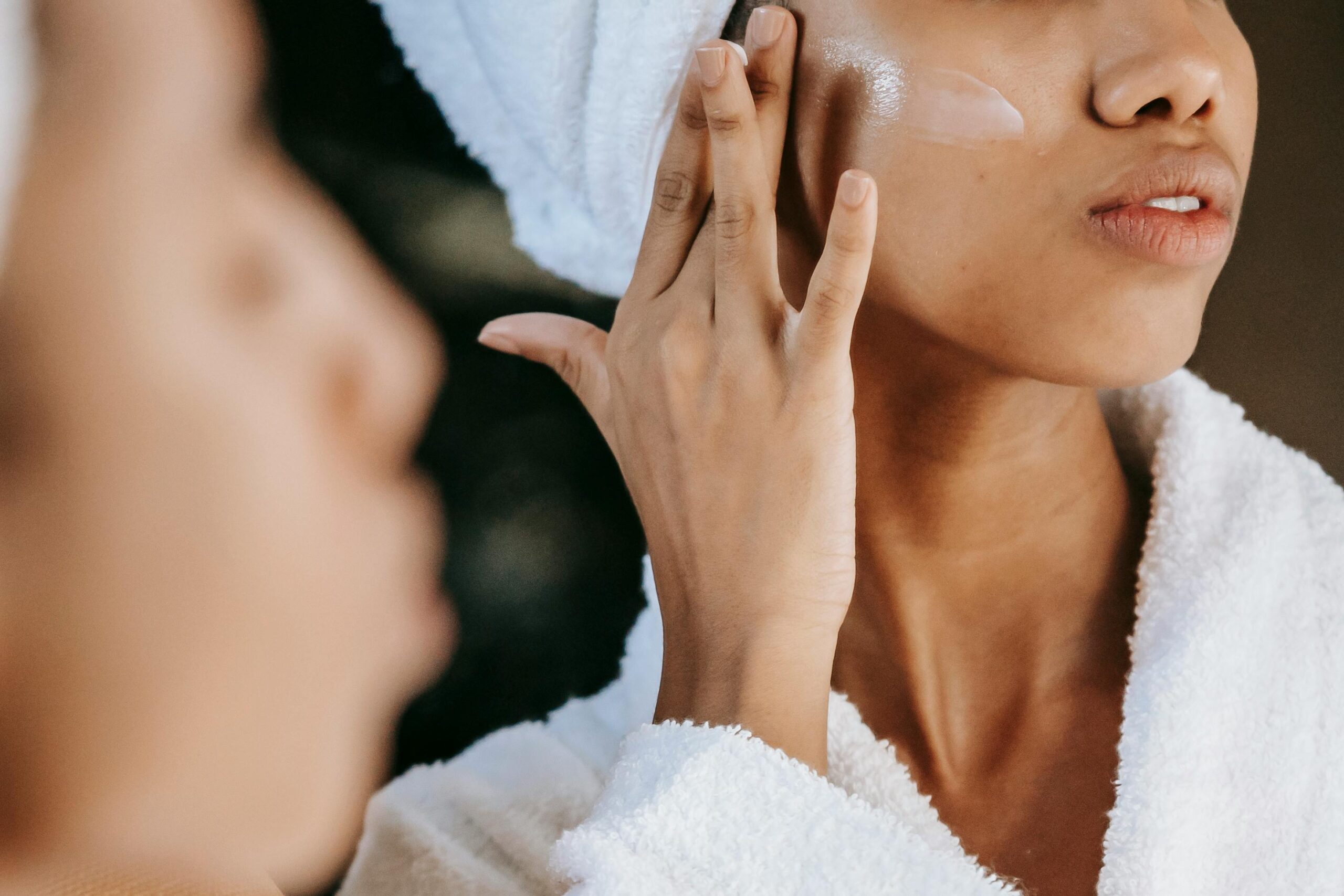
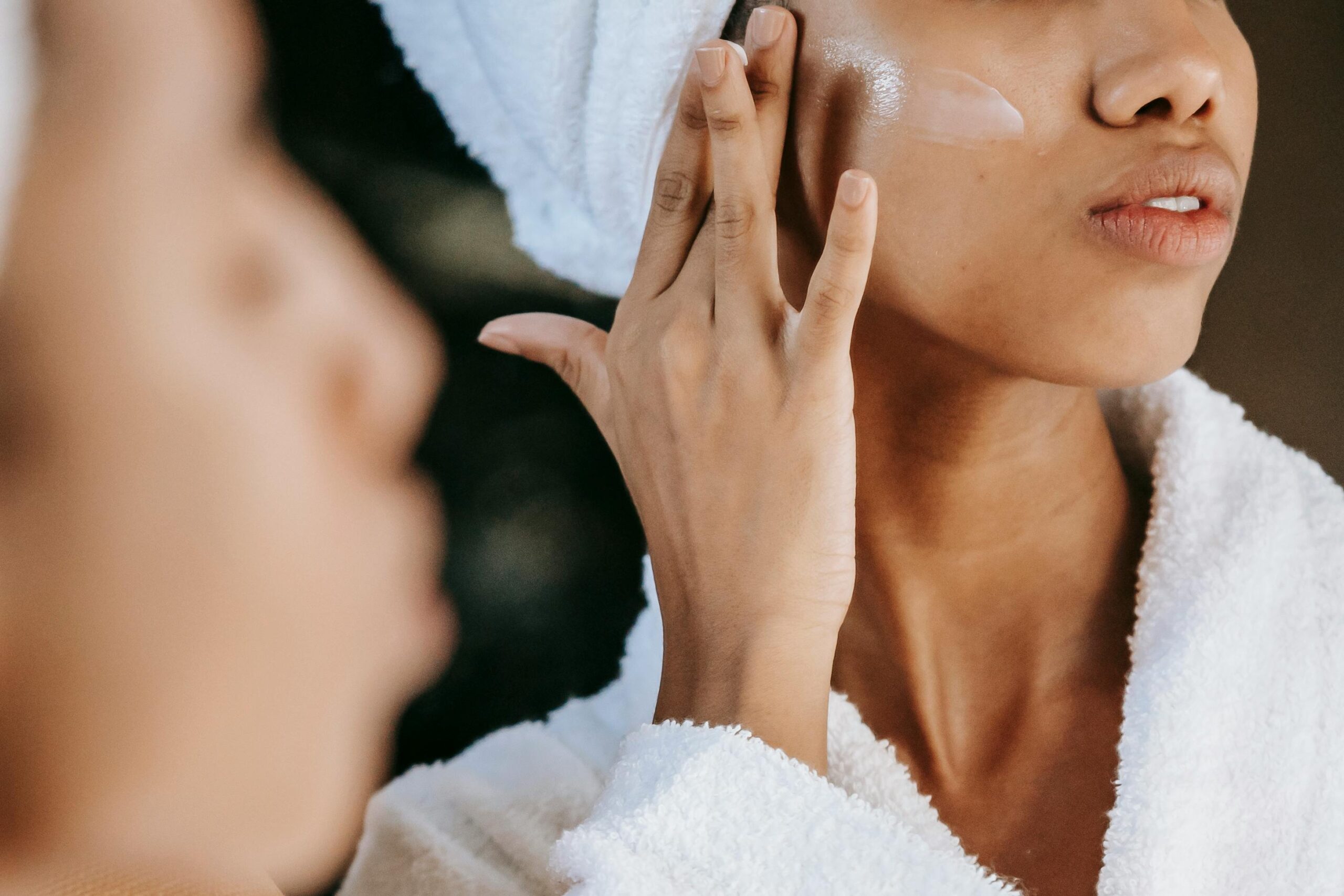
Use only a pea-sized amount for your entire face. Dot it on your forehead, cheeks, and chin, then gently spread in upward motions. Avoid the immediate eye area, corners of your nose, and lips unless your product specifically indicates otherwise.
Navigating the Retinoid Adjustment Period (Yes, It’s Temporary!) 💪
Most people experience some degree of adjustment when starting retinoids, commonly called the “retinization” period. Understanding what’s normal helps you push through instead of giving up prematurely.
Expected Side Effects
During the first few weeks, you might experience dryness, flaking, mild redness, or increased sensitivity. Some people experience “purging,” where acne temporarily worsens as the retinoid brings underlying congestion to the surface faster.
These effects typically peak around weeks two through four, then gradually improve. By week six to twelve, most people’s skin has fully adjusted and side effects have subsided.
When to Be Concerned
While some irritation is normal, severe burning, intense redness, excessive peeling, or persistent discomfort signals you’re using too much or too often. Scale back your frequency and consider buffering with moisturizer.
If irritation doesn’t improve with adjustment, consult a dermatologist. You might need a different formulation or concentration.
Building a Retinoid-Friendly Skincare Routine 🧴
Retinoids work best when surrounded by supportive, complementary products. Here’s how to build a routine that maximizes benefits while minimizing irritation.
Morning Routine Essentials
Your morning routine should focus on protection and hydration. Start with a gentle cleanser, followed by hydrating serums with ingredients like hyaluronic acid or niacinamide. These support your skin barrier without interfering with retinoid benefits.
Sunscreen is absolutely non-negotiable when using retinoids. Choose a broad-spectrum SPF 30 or higher and apply it every single morning, even on cloudy days. Retinoids increase sun sensitivity, making UV protection crucial for preventing damage and maintaining results.
Evening Routine with Retinoids
At night, cleanse thoroughly to remove sunscreen, makeup, and daily grime. If using other active ingredients, apply them before your retinoid (for water-based serums) or after (for heavier treatments), depending on texture and formulation.
Follow your retinoid with a rich, nourishing moisturizer to lock in hydration and support your skin barrier. Consider adding a facial oil or occlusive balm over particularly dry areas.
What to Avoid
When starting retinoids, avoid other potentially irritating ingredients like high-strength AHAs, BHAs, or vitamin C in the same routine. Once your skin adjusts, you can carefully reintroduce these actives, but not on the same evening as your retinoid.
Skip harsh physical exfoliants and abrasive scrubs—retinoids provide chemical exfoliation, so manual exfoliation becomes unnecessary and potentially damaging.
Maximizing Results: Patience and Consistency Are Key ⏰
One of the most important things to understand about retinoids is that they require time and consistency to deliver results. This isn’t an instant gratification ingredient.
Most people begin seeing initial improvements around the six to eight-week mark, with continued enhancement over three to six months. Some benefits, particularly anti-aging effects, become more pronounced with years of consistent use.
Taking progress photos every four weeks helps you notice subtle changes that might not be obvious day-to-day. Compare these photos to stay motivated during the adjustment period when you might feel frustrated.
Sticking With It Through Challenges
The temptation to quit during the adjustment period is real, especially when your skin looks worse before it gets better. Remember that temporary purging or dryness is your skin adapting to a powerful ingredient that’s making real cellular changes.
Consistency matters more than concentration. Using a lower strength retinoid regularly will always deliver better results than sporadic use of a stronger formula.
Special Considerations: When to Be Extra Cautious ⚠️
While retinoids are safe for most people, certain situations require extra caution or complete avoidance.
Pregnancy and Breastfeeding
Prescription retinoids like tretinoin are contraindicated during pregnancy and breastfeeding due to potential risks. While topical retinol hasn’t shown the same concerns, many healthcare providers recommend avoiding all retinoids during this time as a precaution.
Skin Conditions and Sensitivities
If you have conditions like rosacea, eczema, or extremely sensitive skin, approach retinoids cautiously. Start with the gentlest formulations and consider consulting a dermatologist for personalized guidance.
Some people’s skin simply doesn’t tolerate retinoids well, and that’s okay. Alternative ingredients like bakuchiol offer similar (though generally less dramatic) benefits with better tolerance.
Choosing the Right Product for Your Skin Journey 🛍️
The market is flooded with retinoid products at various price points and formulations. Here’s how to choose wisely without getting overwhelmed by options.
Formulation Matters
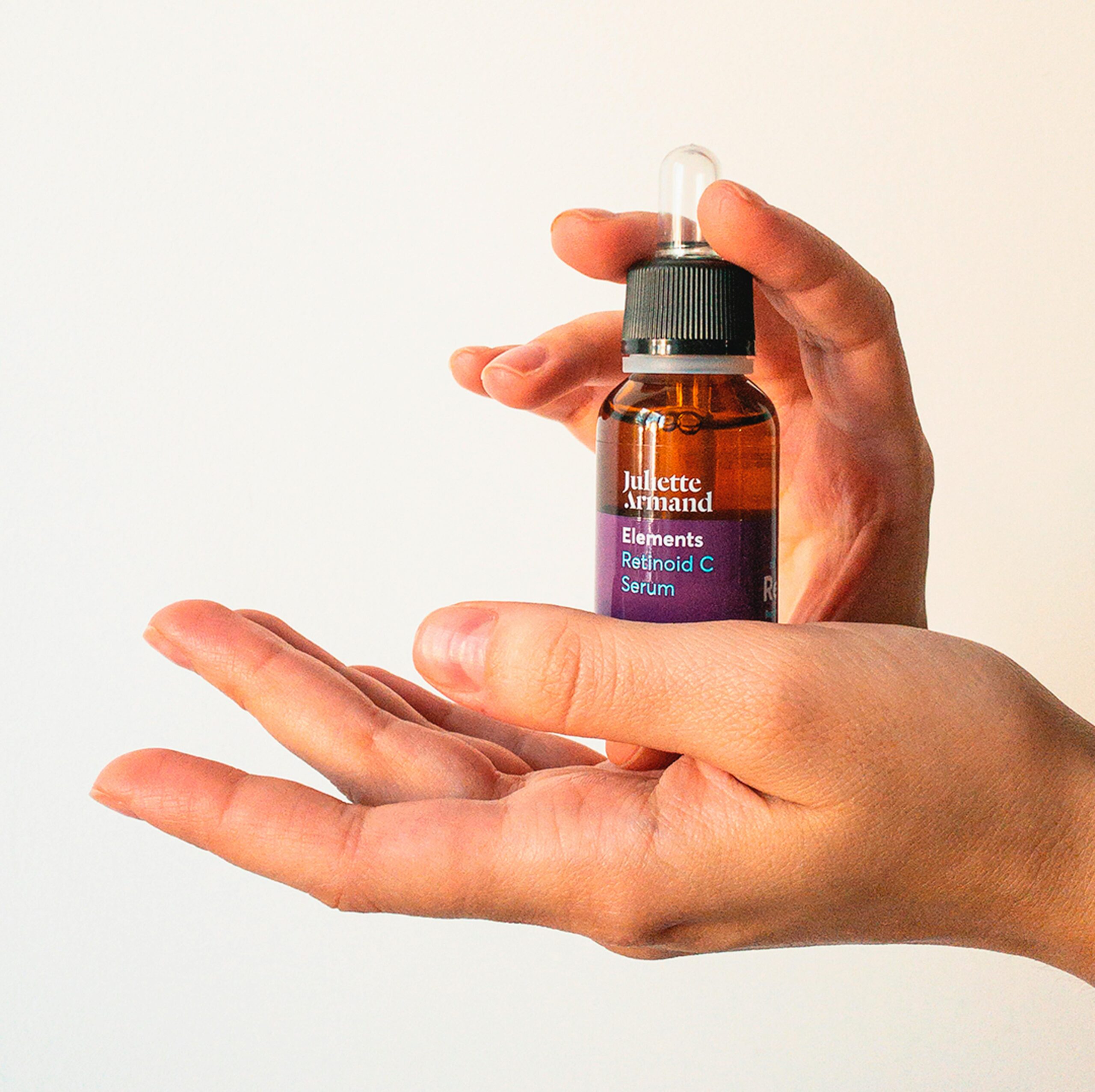
Retinoids come in creams, gels, serums, and oils. Creams are generally more moisturizing and better for dry or sensitive skin. Gels are lighter and may suit oily or acne-prone skin better, though they can be more drying.
Encapsulated or time-release formulations deliver retinoids more gradually, reducing irritation while maintaining efficacy. These are excellent choices for beginners or sensitive skin types.
Reading Labels and Understanding Concentration
Look for products that clearly state their retinoid type and concentration. Vague terms like “retinoid complex” or “retinol-like” often indicate lower-quality formulations with minimal active ingredients.
Price doesn’t always indicate quality, but extremely cheap retinol products may contain unstable formulations that degrade quickly, losing effectiveness before you finish the bottle.
Your Glowing Future: What to Expect Long-Term ✨
Committing to retinoids is committing to long-term skin health. The benefits compound over time, with your skin continuing to improve for years with consistent use.
Many long-term retinoid users report that their skin looks better in their 40s and 50s than it did in their 30s. That’s the power of consistent cellular renewal and collagen support.
Beyond aesthetics, retinoids offer genuine skin health benefits. By maintaining cellular turnover and repairing damage, they support your skin’s protective barrier and overall function.
Making the Commitment to Your Skin’s Transformation 🌈
Starting retinoids represents a meaningful investment in your skin’s future. Yes, there’s an adjustment period. Yes, it requires patience and consistency. But the payoff—clearer, smoother, more radiant skin that ages gracefully—makes every step worthwhile.
Remember that your retinoid journey is uniquely yours. What works for someone else might not work exactly the same for you, and that’s perfectly normal. Listen to your skin, adjust as needed, and give the process time.
Armed with this knowledge, you’re ready to confidently incorporate retinoids into your routine. Start slowly, stay consistent, protect your skin with sunscreen, and trust the process. Your future self will thank you for taking this step toward healthier, more radiant skin.
The glow up you’re after isn’t just about surface-level beauty—it’s about supporting your skin’s health and function for years to come. Retinoids offer one of the most effective ways to achieve that goal, backed by decades of science and countless success stories. Your radiant skin journey starts now. 💫