Azelaic acid has quietly become one of the most versatile and effective ingredients in modern skincare, offering solutions for multiple skin concerns simultaneously. ✨

Whether you’re battling stubborn acne, dealing with hyperpigmentation, or simply seeking a brighter, more even complexion, this naturally derived acid might be the missing piece in your skincare puzzle. Unlike some trendy ingredients that promise the world but deliver little, azelaic acid has decades of research backing its efficacy and safety profile. Its gentle yet powerful nature makes it suitable for nearly all skin types, including sensitive skin that typically reacts poorly to other actives.
Understanding how to properly incorporate azelaic acid into your routine can mean the difference between seeing transformative results and experiencing disappointment. This comprehensive guide will walk you through everything you need to know about this remarkable ingredient, from its science-backed benefits to the exact placement in your skincare regimen for maximum effectiveness.
What Exactly Is Azelaic Acid and Where Does It Come From? 🔬
Azelaic acid is a naturally occurring dicarboxylic acid found in grains like wheat, rye, and barley. It’s also produced naturally by yeast that lives on healthy skin. This ingredient has been used in dermatology for decades, initially prescribed at higher concentrations (15-20%) for conditions like rosacea and acne.
What makes azelaic acid particularly special is its multifunctional nature. Unlike ingredients that target just one skin concern, this powerhouse addresses multiple issues simultaneously without causing the irritation typically associated with other acids. It works on both the surface and within the pores, making it exceptionally effective for comprehensive skin improvement.
The ingredient is available in various concentrations, from 10% in over-the-counter products to prescription-strength 20% formulations. Most people find that 10-15% concentrations provide excellent results without requiring a doctor’s visit, making it an accessible option for home skincare routines.
The Science-Backed Benefits That Make Azelaic Acid a Skincare Superstar 🌟
Fighting Acne at Multiple Levels
Azelaic acid combats acne through several mechanisms simultaneously. First, it has antibacterial properties that specifically target Cutibacterium acnes (formerly Propionibacterium acnes), the bacteria responsible for inflammatory acne. Unlike antibiotics, bacteria don’t develop resistance to azelaic acid, making it a sustainable long-term solution.
Additionally, it normalizes keratinization—the process by which skin cells mature and shed. When this process goes awry, dead skin cells accumulate and clog pores, leading to blackheads, whiteheads, and eventually inflammatory acne. By regulating this process, azelaic acid prevents the formation of comedones at their source.
Brightening and Evening Skin Tone
One of azelaic acid’s most celebrated benefits is its ability to fade hyperpigmentation and create a more uniform complexion. It works by inhibiting tyrosinase, an enzyme crucial for melanin production. This makes it particularly effective for post-inflammatory hyperpigmentation (those dark marks left behind after acne heals), melasma, and general uneven skin tone.
What’s remarkable is that azelaic acid specifically targets abnormal melanocytes (pigment-producing cells) while leaving normal ones relatively undisturbed. This selective action means you get brightening where you need it without overall lightening of your natural skin tone.
Calming Redness and Inflammation
For those dealing with rosacea or general skin sensitivity, azelaic acid offers anti-inflammatory benefits that help reduce redness and calm reactive skin. Studies have shown significant improvement in rosacea symptoms, including decreased papules, pustules, and overall redness with consistent use.
The anti-inflammatory properties also make it beneficial for anyone experiencing irritation from other skincare actives, as it can help soothe while still providing treatment benefits.
Antioxidant Protection
Beyond its primary functions, azelaic acid provides antioxidant benefits that help neutralize free radicals. These unstable molecules contribute to premature aging, inflammation, and cellular damage. By offering this protective layer, azelaic acid supports overall skin health and longevity.
Understanding Different Concentrations and Formulations 💧
Azelaic acid products come in various concentrations and formulations, each suited to different needs and experience levels. Understanding these differences helps you choose the most appropriate product for your skin.
Over-the-counter products typically contain 10% azelaic acid and are excellent starting points for most people. These concentrations are effective yet gentle enough for daily use without significant irritation risk. Popular brands offering 10% formulations include The Ordinary, Paula’s Choice, and Naturium.
Prescription-strength products at 15-20% (like Finacea or Azelex) are reserved for more stubborn concerns or when over-the-counter options haven’t provided sufficient results. These require dermatologist supervision but can deliver more dramatic improvements, particularly for severe acne or deep hyperpigmentation.
Formulation type matters significantly. Azelaic acid comes in gels, creams, foams, and serums. Gel formulations tend to be better for oily and acne-prone skin, as they’re lighter and less likely to clog pores. Cream formulations provide more hydration and are ideal for dry or sensitive skin types. Serums offer concentrated delivery and layer well with other products.
Perfect Placement: Where Azelaic Acid Fits in Your Routine 📋
Proper placement of azelaic acid in your skincare routine is crucial for maximizing its benefits while minimizing potential irritation. The general rule is to apply products from thinnest to thickest consistency, but there are important nuances specific to azelaic acid.
Morning Routine Integration
Many dermatologists recommend using azelaic acid in the morning because it provides antioxidant protection throughout the day and doesn’t increase sun sensitivity like some other acids. Here’s the ideal morning sequence:
- Cleanser: Start with a gentle, pH-balanced cleanser
- Toner or essence: If using, apply lightweight hydrating products first
- Vitamin C serum: Can be layered with azelaic acid (apply vitamin C first if using both)
- Azelaic acid: Apply after water-based serums but before moisturizer
- Eye cream: Target delicate under-eye area
- Moisturizer: Seal everything in with appropriate hydration
- Sunscreen: Never skip this crucial final step (SPF 30 minimum)
Evening Routine Placement
While morning application is common, some people prefer using azelaic acid at night, especially when combining it with other actives. Evening routine placement:
- Double cleanse: Oil cleanser followed by water-based cleanser
- Toner or essence: Prep skin for treatment products
- Azelaic acid: Apply and allow to absorb fully (wait 10-15 minutes)
- Retinol or other actives: Can be used after azelaic acid (more on combinations below)
- Eye cream: Address specific concerns around eyes
- Moisturizer: Lock in treatments with nourishing cream
- Facial oil or occlusive: Optional final layer for extra dry skin
Combining Azelaic Acid with Other Actives: The Do’s and Don’ts ⚖️
One of azelaic acid’s greatest strengths is its compatibility with other popular skincare ingredients. However, strategic layering ensures you get the best results without overwhelming your skin.
Perfect Pairings
Azelaic acid works beautifully with niacinamide, creating a synergistic brightening and pore-refining effect. Both ingredients are gentle and complement each other’s mechanisms without increasing irritation risk. You can layer them directly, applying niacinamide first, then azelaic acid.
Vitamin C and azelaic acid make an excellent combination for addressing hyperpigmentation and achieving radiant skin. Apply vitamin C first on clean skin, allow it to absorb, then follow with azelaic acid. Both are antioxidants that work through different pathways, providing comprehensive protection and brightening.
Hyaluronic acid and other hydrating ingredients pair perfectly with azelaic acid. Apply hydrators first to create a moist environment that helps azelaic acid penetrate effectively while minimizing any potential dryness.
Proceed with Caution
Retinoids and azelaic acid can be combined but require careful introduction. Start by using them on alternate nights, then gradually work toward same-night application if your skin tolerates it well. When using together, apply azelaic acid first, wait 10-15 minutes, then apply retinoid. This minimizes competition for absorption and reduces irritation potential.
Other exfoliating acids like glycolic, lactic, or salicylic acid can be used with azelaic acid, but this combination requires caution. If you’re new to acids, establish tolerance to azelaic acid first before introducing other exfoliants. When combining, consider using them at different times of day or on alternate days to prevent over-exfoliation.
Combinations to Avoid
While azelaic acid is generally well-tolerated, using too many actives simultaneously can overwhelm your skin barrier. Avoid using benzoyl peroxide in the same routine as azelaic acid unless specifically recommended by a dermatologist, as the combination may cause excessive dryness or irritation.
Starting Strong: How to Introduce Azelaic Acid Without Irritation 🚀
Even though azelaic acid is gentler than many other actives, smart introduction helps your skin adapt without unnecessary stress. Begin by patch testing any new product on a small area of your jawline or neck for 48 hours before full-face application.
Start with a low concentration (10%) and use it every other night for the first two weeks. This allows your skin to build tolerance gradually. After two weeks without irritation, you can increase to nightly application, and eventually to twice daily if desired and tolerated.
Apply azelaic acid to completely dry skin. Using it on damp skin can increase penetration, which sounds beneficial but may cause unnecessary irritation, especially during the adjustment period. Wait a few minutes after cleansing and toning before applying.
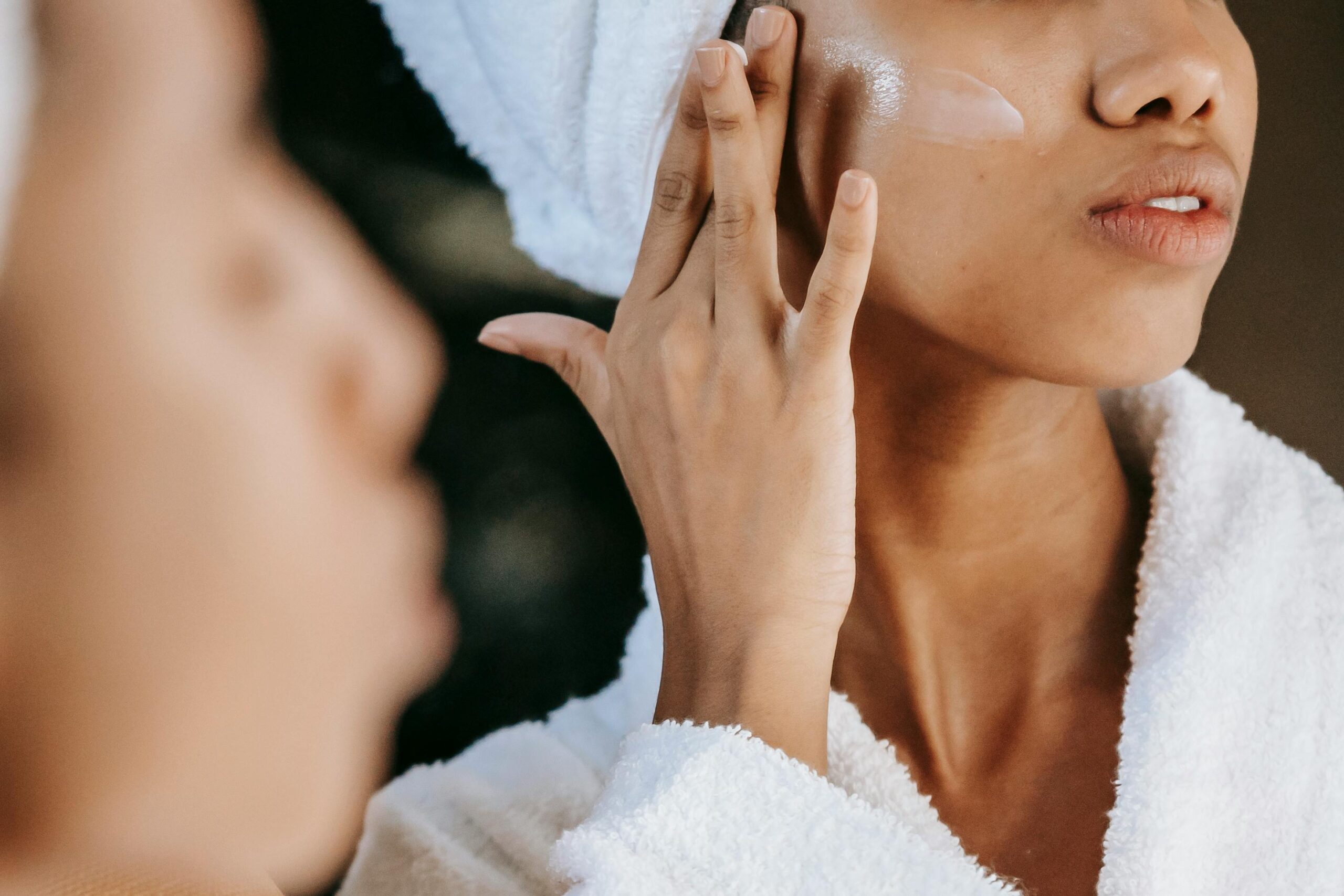
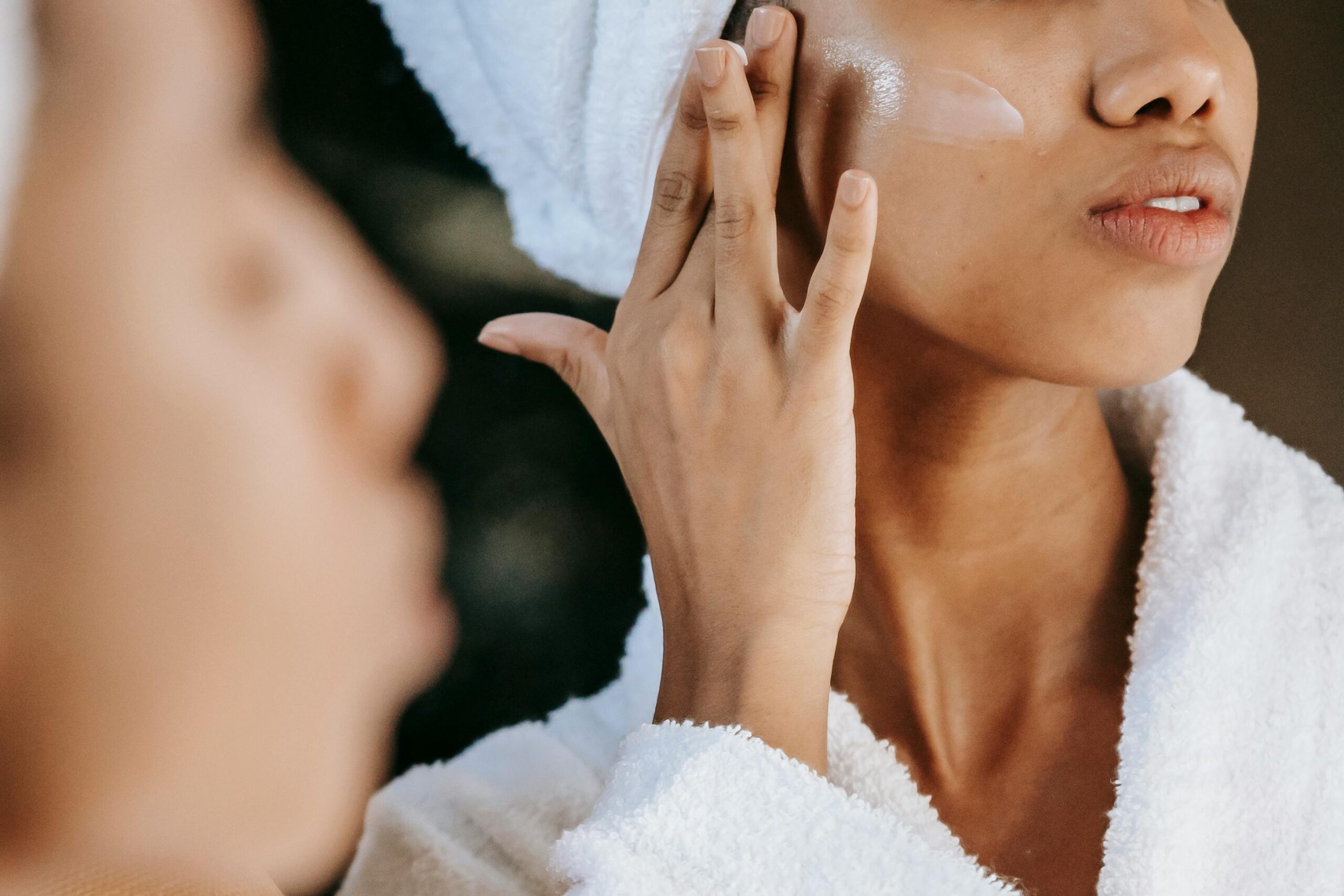
Use a pea-sized amount for your entire face. Azelaic acid is effective at small amounts, and using more doesn’t provide better results—it just increases the risk of irritation. Gently pat it into skin rather than rubbing vigorously.
Support your skin barrier during the introduction phase with plenty of hydration and a good moisturizer. This doesn’t reduce azelaic acid’s effectiveness but helps your skin handle the adjustment period more comfortably.
What to Expect: Timeline and Realistic Results 📅
Understanding the timeline for results helps set realistic expectations and maintains motivation during the adjustment period. Azelaic acid isn’t an overnight miracle but delivers consistent, progressive improvement with continued use.
In the first 2-4 weeks, you might notice slight texture improvement and a subtle reduction in active breakouts. Some people experience mild purging during this period as the ingredient increases cell turnover. This is normal and temporary, typically resolving within 4-6 weeks.
At 4-8 weeks, brightening effects become more noticeable, with dark spots beginning to fade and overall skin tone evening out. Acne frequency typically decreases, and existing blemishes heal faster. Skin texture continues to refine, with smaller-appearing pores and smoother surface.
After 12 weeks of consistent use, you should see significant improvement in your primary concerns. Hyperpigmentation fades substantially, acne breakouts become less frequent and less severe, and overall skin clarity improves dramatically. For rosacea sufferers, redness and inflammation show marked reduction.
Continued use beyond three months provides cumulative benefits, with ongoing improvement in skin tone, texture, and overall appearance. Many dermatologists recommend viewing azelaic acid as a long-term skincare staple rather than a short-term treatment.
Navigating Potential Side Effects and How to Handle Them 🛡️
While azelaic acid is generally well-tolerated, some people experience mild side effects, especially during the initial adjustment period. Knowing what’s normal versus concerning helps you respond appropriately.
Mild tingling or slight warmth upon application is completely normal and typically subsides within 5-10 minutes. This sensation usually decreases as your skin builds tolerance. If tingling persists or intensifies over time, reduce application frequency or concentration.
Temporary dryness or flaking can occur as skin adjusts to increased cell turnover. Combat this by applying azelaic acid over a thin layer of moisturizer (called “buffering”) until your skin adapts. Increase hydrating products in your routine and ensure you’re using a good moisturizer.
Some users notice temporary redness after application, which should fade within an hour. If redness persists, lasts several hours, or worsens over time, your skin may be reacting poorly to the product or concentration. Consider switching to a lower concentration or different formulation.
Purging—increased breakouts during the first few weeks—is possible as azelaic acid accelerates skin cell turnover, bringing underlying congestion to the surface faster. True purging occurs only in areas where you typically break out and resolves within 4-6 weeks. Breakouts in new areas aren’t purging—they indicate irritation or allergy.
Maximizing Results: Pro Tips from Dermatologists 💎
Dermatologists who regularly prescribe azelaic acid share insights that can significantly enhance your results. Consistency trumps everything—using azelaic acid sporadically won’t deliver the transformative results that daily application provides. Set a routine and stick to it for at least three months before evaluating effectiveness.
Store your azelaic acid properly in a cool, dry place away from direct sunlight. While it’s more stable than some other actives like vitamin C, proper storage maintains potency and extends shelf life. Keep the cap tightly closed when not in use.
Don’t neglect sunscreen, even though azelaic acid doesn’t increase photosensitivity like some acids. Sun exposure can darken hyperpigmentation and counteract the brightening benefits you’re working toward. Daily SPF 30 or higher is non-negotiable.
Take progress photos in consistent lighting every 4 weeks. Our eyes adjust to gradual changes, making it hard to notice improvement. Photos provide objective evidence of progress and motivation to continue when results feel slow.
Consider professional treatments that complement azelaic acid use. Chemical peels, microneedling, or laser treatments can enhance results when combined with a solid at-home routine featuring azelaic acid. Always inform your aesthetician or dermatologist about all products you’re using.
Who Should (and Shouldn’t) Use Azelaic Acid 👥
Azelaic acid suits most people, but understanding whether it’s right for your specific situation ensures the best outcomes. This ingredient is excellent for those with acne-prone skin, particularly if you’re dealing with both active breakouts and post-inflammatory hyperpigmentation. It addresses both concerns simultaneously, making it more efficient than using separate products.
People with rosacea or persistent redness find significant relief with azelaic acid, as it’s one of the few actives specifically proven to improve rosacea symptoms. Its anti-inflammatory properties calm reactivity while improving overall skin appearance.
If you have melasma or stubborn dark spots that haven’t responded well to other treatments, azelaic acid’s unique mechanism for inhibiting melanin production often succeeds where other ingredients haven’t. It’s safe for all skin tones, including deeper complexions that must be cautious with some other brightening ingredients.
Sensitive skin types often tolerate azelaic acid better than other actives like retinoids or stronger exfoliating acids. Its gentler nature means you can address skin concerns without the irritation that typically comes with effective treatments.
However, pregnant or breastfeeding women should consult their healthcare provider before use, even though topical azelaic acid is generally considered safe during pregnancy (it’s Category B). If you have extremely compromised or damaged skin barrier, focus on repair before introducing active ingredients like azelaic acid.
Your Glowing Future with Azelaic Acid ✨
Incorporating azelaic acid into your skincare routine represents an investment in clearer, brighter, more even-toned skin. This versatile ingredient addresses multiple concerns simultaneously without the harsh side effects often associated with powerful actives. Whether you’re battling persistent acne, frustrated by stubborn dark spots, or seeking to calm redness and achieve an overall glow, azelaic acid delivers results backed by decades of research and real-world success.
The key to success lies in proper placement within your routine, patient consistency, and realistic expectations about the timeline for results. Start slowly, support your skin barrier with adequate hydration, protect your progress with daily sunscreen, and give the ingredient time to work its magic. Most people see significant improvement within three months, with continued benefits from ongoing use.
Remember that skincare is deeply personal—what works beautifully for one person might need adjustment for another. Pay attention to how your skin responds, adjust accordingly, and don’t hesitate to consult a dermatologist if you need personalized guidance. With the right approach, azelaic acid can become one of the most valuable products in your skincare arsenal, delivering the clear, radiant, healthy-looking skin you’ve been working toward. Your glow up starts now! 🌟