Your skin is your body’s largest organ, and keeping it healthy requires understanding what works—and what doesn’t. When it comes to active ingredients in skincare, the line between transformation and irritation can be remarkably thin.

Many people experience redness, burning, or peeling when introducing new skincare products, often without understanding why. The key to achieving that coveted skin harmony lies not in avoiding active ingredients altogether, but in identifying your personal triggers and learning how to work with your skin’s unique needs rather than against them.
🔬 Understanding Active Ingredients and Why They Matter
Active ingredients are the powerhouse components in skincare formulations designed to create visible changes in your skin. Unlike passive ingredients that simply moisturize or provide texture, actives work at a cellular level to address specific concerns like aging, hyperpigmentation, acne, or texture issues.
Common active ingredients include retinoids, alpha hydroxy acids (AHAs), beta hydroxy acids (BHAs), vitamin C, niacinamide, and peptides. Each serves a distinct purpose, but they also carry varying degrees of potency that can potentially disrupt your skin’s delicate balance.
The challenge isn’t whether these ingredients work—scientific evidence overwhelmingly supports their efficacy. The real question is how to incorporate them into your routine without triggering adverse reactions that leave your skin worse than when you started.
Recognizing the Signs of Irritation Versus Purging
One of the most confusing aspects of using active ingredients is distinguishing between beneficial adjustment periods and genuine irritation. This confusion leads many people to either abandon effective products prematurely or persist with formulations that are actually damaging their skin barrier.
What Purging Actually Looks Like
Purging occurs when certain active ingredients, particularly retinoids and chemical exfoliants, accelerate your skin’s cell turnover rate. This process brings underlying congestion to the surface faster than it would naturally appear. Purging typically manifests as small breakouts in areas where you normally experience acne, and it should resolve within 4-6 weeks.
Red Flags That Signal True Irritation ⚠️
Irritation presents differently from purging. Watch for these warning signs:
- Persistent redness or burning that doesn’t subside after application
- Dry, flaky patches in areas that don’t typically experience dryness
- Increased sensitivity to products you previously tolerated well
- Breakouts in unusual locations where you don’t typically have congestion
- A tight, uncomfortable feeling that lasts throughout the day
- Development of rashes, hives, or swelling
Understanding this distinction empowers you to make informed decisions about whether to continue with a product or seek alternatives better suited to your skin’s tolerance level.
The Most Common Irritation Triggers in Active Skincare
While individual sensitivities vary, certain active ingredients have higher irritation potential than others. Recognizing these common culprits helps you approach your skincare routine with appropriate caution and realistic expectations.
Retinoids: Powerful But Potentially Problematic
Retinoids remain the gold standard for anti-aging and acne treatment, but they’re also among the most irritating actives. Prescription-strength tretinoin, adapalene, and even over-the-counter retinol can cause significant dryness, peeling, and sensitivity, especially during the initial adjustment period.
The irritation stems from retinoids’ mechanism of action—they work by binding to nuclear receptors and accelerating cell turnover. This process can temporarily compromise your skin barrier, making it more vulnerable to environmental stressors and other products in your routine.
Chemical Exfoliants: The Double-Edged Sword
Alpha hydroxy acids like glycolic and lactic acid, along with beta hydroxy acids like salicylic acid, dissolve the bonds between dead skin cells. While this creates smoother, brighter skin, overuse or high concentrations can strip away too much of your protective barrier.
Many people fall into the trap of thinking “more is better” with exfoliants. In reality, excessive exfoliation leads to chronic inflammation, increased sensitivity, and a damaged moisture barrier that takes weeks or months to repair.
Vitamin C: Concentration and pH Considerations
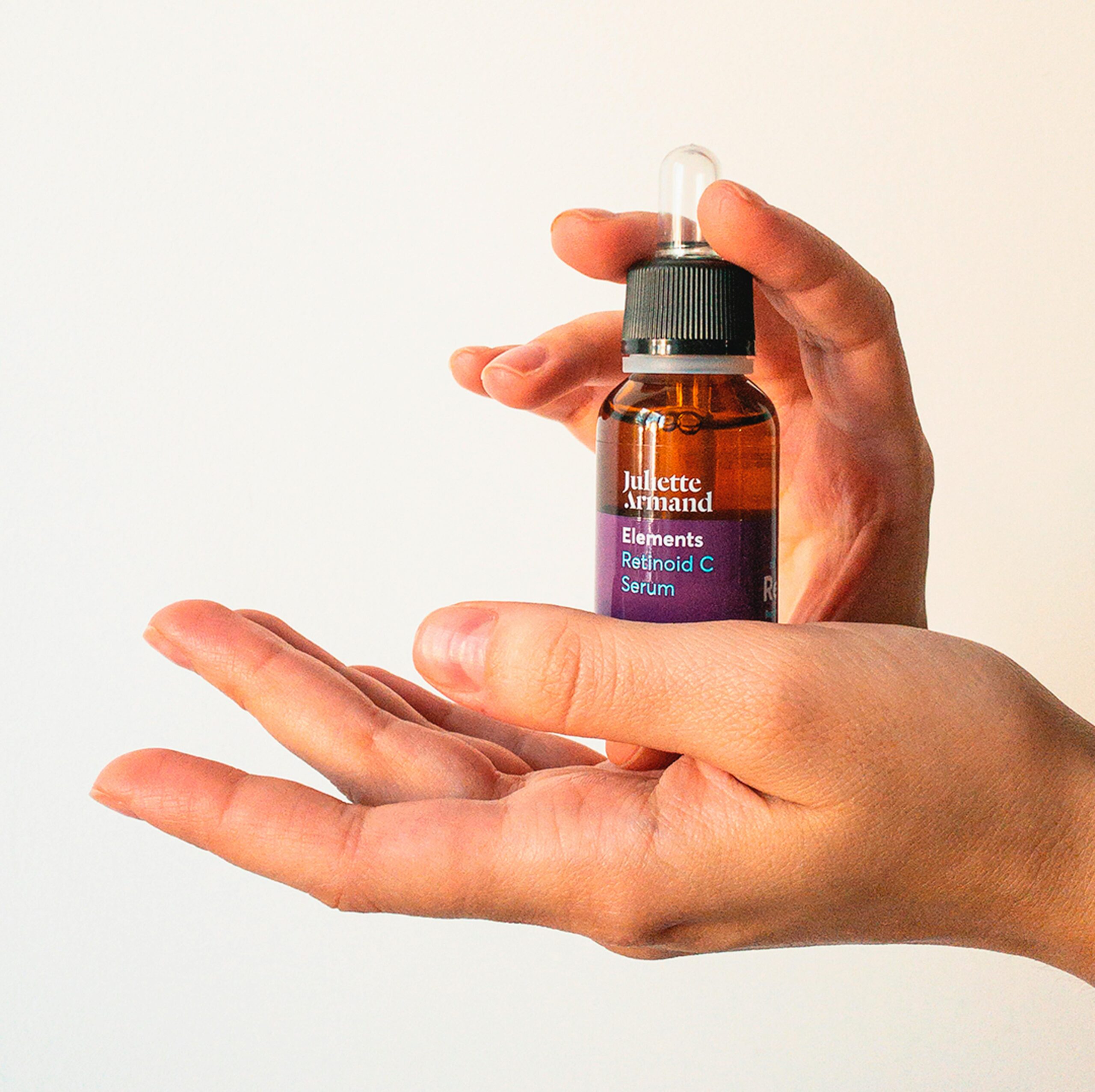
L-ascorbic acid, the most researched form of vitamin C, offers impressive antioxidant and brightening benefits. However, it requires a low pH (around 3.5) to penetrate effectively, which can irritate sensitive skin. High concentrations above 15-20% increase irritation risk without necessarily providing additional benefits.
Essential Oils and Fragrance: Hidden Irritants
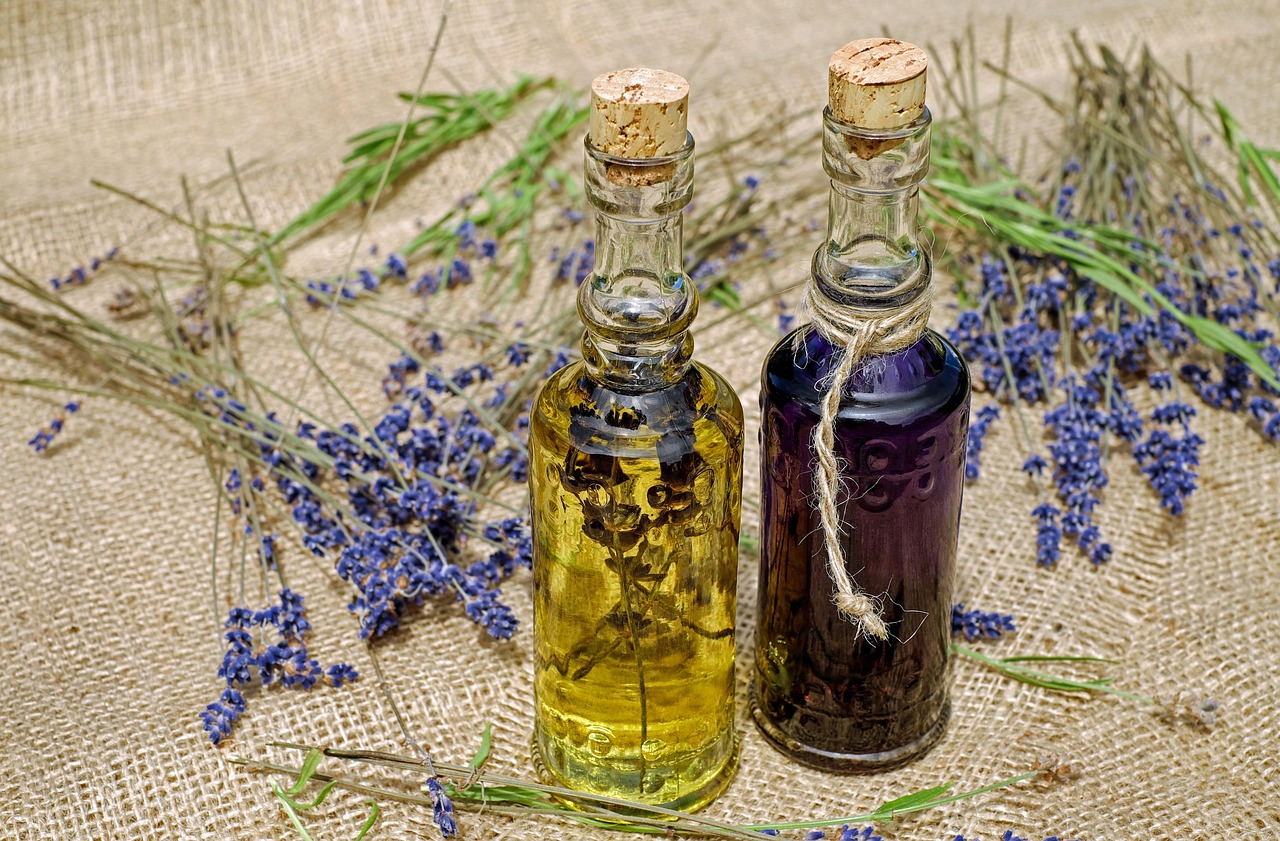
While not always considered “active” in the traditional sense, essential oils and fragrances are common irritants found in many skincare products. These ingredients serve no functional purpose for skin health and significantly increase sensitization risk, particularly when combined with other actives.
💡 Building Your Irritation-Free Active Skincare Strategy
Creating a routine that harnesses the power of active ingredients while minimizing irritation requires strategic planning and patience. The following approaches help you achieve results without compromising your skin barrier.
The Slow Introduction Method
When incorporating any new active ingredient, start with the lowest available concentration and the least frequent application schedule. For retinoids, this might mean using a 0.25% retinol once or twice weekly for the first month before gradually increasing frequency.
This methodical approach allows your skin to build tolerance progressively. It also makes it easier to identify which specific ingredient causes problems if irritation does occur, since you’re not introducing multiple variables simultaneously.
Strategic Layering and Buffering Techniques
Buffering involves applying a moisturizer before your active ingredient to dilute its strength and slow penetration. While this slightly reduces efficacy, it significantly improves tolerance for sensitive skin types. As your skin builds resilience, you can gradually transition to applying actives on bare skin.
Understanding ingredient interactions also prevents incompatible combinations that amplify irritation. For example, using vitamin C (acidic) and niacinamide (slightly basic) together was once thought problematic, though recent research suggests they’re generally compatible. However, combining multiple exfoliating acids with retinoids in the same routine remains genuinely risky for most people.
The Importance of Barrier Repair Ingredients
Supporting your skin barrier while using actives isn’t optional—it’s essential. Incorporate ceramides, cholesterol, fatty acids, and humectants like hyaluronic acid and glycerin to maintain the lipid barrier that protects against irritation and moisture loss.
Think of barrier-supporting ingredients as the foundation that makes active ingredient use sustainable long-term. Without this foundation, even the most careful introduction of actives eventually leads to sensitivity issues.
Personalization: Why One-Size-Fits-All Approaches Fail
The skincare industry often promotes universal solutions, but skin tolerance to active ingredients varies dramatically based on genetics, environment, skin type, and even hormonal fluctuations. What works beautifully for your friend might be completely unsuitable for your skin.
Factors That Influence Your Tolerance Threshold
Several variables affect how your skin responds to active ingredients:
- Skin type: Oily, resilient skin generally tolerates higher concentrations better than dry or sensitive skin
- Climate: Cold, dry environments compromise barrier function, reducing active tolerance
- Age: Younger skin typically recovers from irritation faster than mature skin
- Ethnicity: Different skin tones have varying susceptibility to post-inflammatory hyperpigmentation from irritation
- Concurrent treatments: Professional procedures like chemical peels or laser treatments temporarily reduce active tolerance
Listening to Your Skin’s Feedback
Your skin provides constant feedback about what’s working and what isn’t. Developing the skill to interpret these signals prevents minor irritation from escalating into significant damage. A slight tingling sensation upon application might be normal for certain products, but persistent discomfort signals a problem.
Keep a simple skincare journal noting what products you use, when you use them, and how your skin feels and looks. Patterns emerge over time that help you identify your personal triggers and optimal product combinations.
🛡️ Emergency Protocols When Irritation Strikes
Despite your best preventive efforts, irritation sometimes occurs. Having a recovery protocol ready minimizes damage and gets your skin back to baseline faster.
Immediate Response Steps
When you recognize signs of significant irritation, immediately discontinue all active ingredients. Strip your routine down to the absolute basics: gentle cleanser, simple moisturizer, and sunscreen during the day. This gives your skin the breathing room it needs to recover.
Resist the temptation to add more products to “fix” the problem. Your compromised barrier can’t handle additional ingredients, even soothing ones, until initial inflammation subsides.
Recovery Phase Skincare
During the recovery period, focus exclusively on barrier repair and hydration. Look for products containing:
- Ceramides to restore lipid barrier integrity
- Centella asiatica to reduce inflammation
- Colloidal oatmeal for soothing irritated skin
- Panthenol (vitamin B5) for healing and hydration
- Squalane for non-irritating moisture
Avoid all exfoliating products, including physical scrubs and chemical exfoliants. Skip hot water, which further compromises your barrier, and be extra diligent about sun protection since irritated skin is more vulnerable to UV damage.
Advanced Strategies for Sensitive Skin Types
If you have inherently sensitive or reactive skin, achieving harmony with active ingredients requires additional considerations and modifications to standard protocols.
Encapsulated and Time-Release Formulations
Modern formulation technology offers encapsulated versions of active ingredients that release slowly over time. These delivery systems reduce irritation potential by preventing the sudden spike in concentration that occurs with traditional formulations. Encapsulated retinol, for example, provides comparable results to regular retinol with significantly less irritation.
Alternating Active Ingredients
Rather than using multiple actives in the same routine, alternate them on different nights. You might use a retinoid on Monday, Wednesday, and Friday, reserving Tuesday and Thursday for a gentle chemical exfoliant or vitamin C serum. This approach gives your skin recovery time between potentially irritating treatments.
Short-Contact Therapy
For extremely sensitive skin, short-contact therapy involves applying an active ingredient for a limited time—perhaps 30 minutes to an hour—before washing it off. While you sacrifice some efficacy, you gain the ability to use beneficial ingredients that would otherwise be intolerable.
The Role of Professional Guidance
While self-education empowers better skincare decisions, persistent irritation or confusion about product selection warrants professional consultation. Dermatologists and licensed estheticians provide personalized recommendations based on thorough skin analysis.
Professional guidance becomes particularly valuable when dealing with specific skin conditions like rosacea, eczema, or severe acne, where active ingredient selection requires careful consideration of underlying inflammatory processes.
🌟 Long-Term Success: Maintaining Skin Harmony
Achieving initial success with active ingredients is just the beginning. Maintaining that delicate balance over months and years requires ongoing attention and periodic adjustments.
Seasonal Adjustments
Your skin’s tolerance fluctuates with environmental conditions. During harsh winter months, you might need to reduce active frequency or concentration. Conversely, humid summer weather might allow for more aggressive treatment without irritation.
Reevaluating as Your Skin Changes
Skin doesn’t remain static throughout life. Hormonal shifts, aging, stress, and health changes all affect how your skin responds to active ingredients. What worked perfectly in your twenties might require modification in your forties. Remain flexible and willing to adjust your approach as needed.
Celebrating Progress Without Perfection
The pursuit of perfect skin sometimes leads to obsessive product cycling and over-treatment. Remember that slight imperfections are normal and that aggressive attempts to eliminate every concern often backfire through chronic irritation. Sometimes the best action is knowing when to maintain rather than constantly optimize.
Creating Your Personalized Action Plan
Armed with knowledge about irritation triggers and prevention strategies, you’re ready to develop a customized approach that respects your skin’s unique needs while harnessing the transformative power of active ingredients.
Begin by honestly assessing your current skin condition and identifying your primary concerns. Choose one active ingredient to address your most pressing issue, starting with the gentlest formulation available. Give your skin at least 8-12 weeks to respond before adding another active or making significant changes.
Document your journey through photos and notes about how your skin feels. This record becomes invaluable for identifying patterns and making informed decisions about when to advance your routine versus when to pull back.
Remember that skincare is inherently personal and that finding your perfect combination requires patience, observation, and willingness to experiment within safe parameters. The goal isn’t to use the most products or the highest concentrations—it’s to achieve healthy, resilient skin that looks and feels its best while maintaining its protective barrier function.
By understanding your irritation triggers, respecting your skin’s tolerance threshold, and implementing strategic prevention methods, you unlock the secrets to true skin harmony. This balanced approach allows you to enjoy the remarkable benefits of active ingredients without the frustration and setbacks that come from ignoring your skin’s fundamental needs for gentleness and barrier protection.