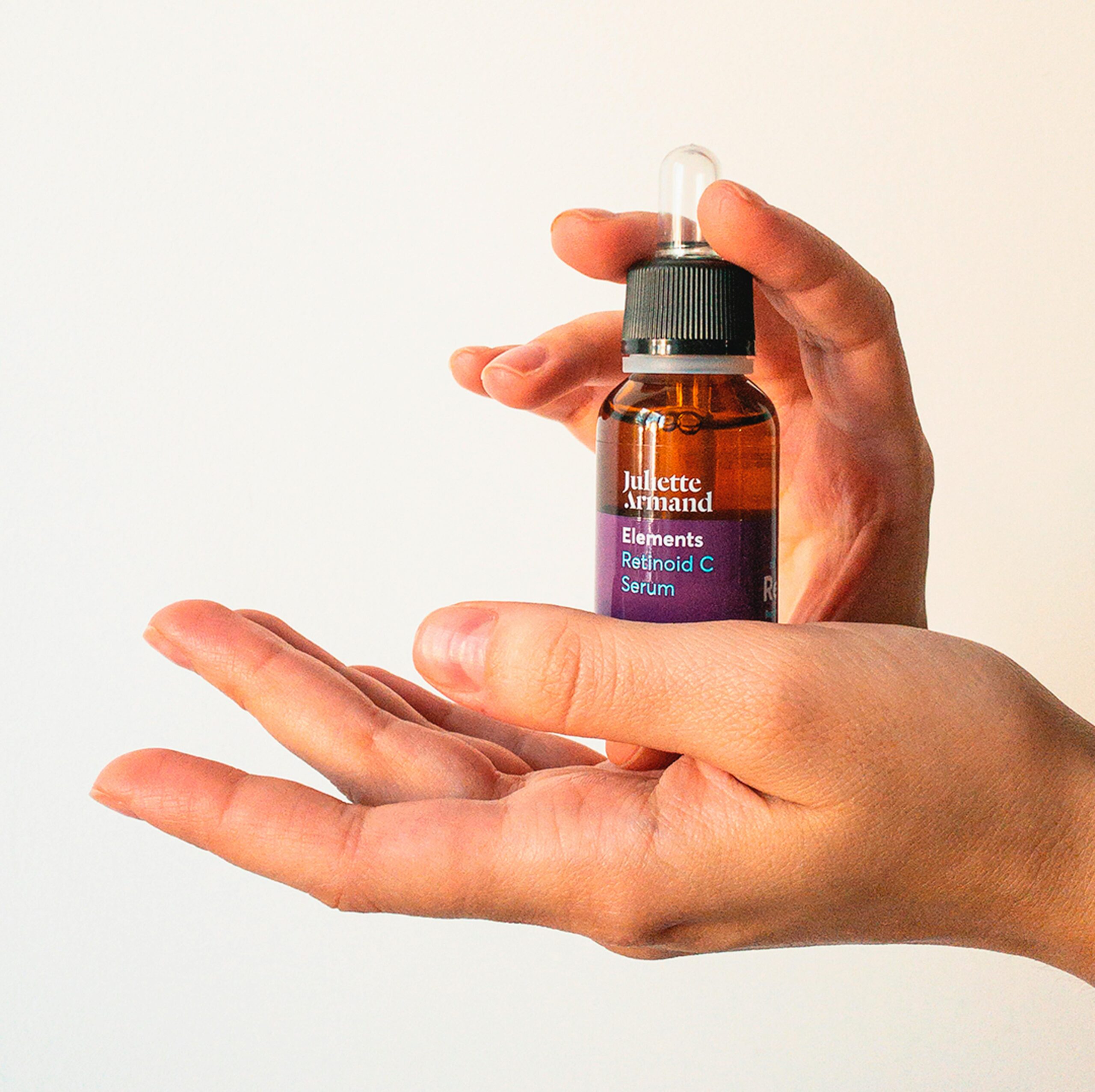
Building an effective skincare routine with active ingredients doesn’t have to be overwhelming. Understanding how to introduce and layer these powerful components safely is the key to achieving healthy, radiant skin without irritation.

Many skincare enthusiasts rush into using multiple actives simultaneously, hoping for faster results. This approach often backfires, leading to compromised skin barriers, redness, and sensitivity. The secret to maximizing the benefits of active ingredients lies not in aggressive application, but in strategic pacing and mindful implementation.
🧪 Understanding Active Ingredients in Skincare
Active ingredients are scientifically-backed compounds that create measurable changes in your skin’s structure and function. Unlike passive moisturizers or simple cleansers, actives work at deeper levels to address specific concerns like aging, hyperpigmentation, acne, and texture irregularities.
Common active ingredients include retinoids, vitamin C, AHAs (alpha hydroxy acids), BHAs (beta hydroxy acids), niacinamide, and peptides. Each serves distinct purposes and requires different consideration regarding application frequency, concentration, and combination with other products.
The potency of these ingredients means they can transform your skin dramatically, but this power also carries responsibility. Proper pacing ensures you reap the benefits while minimizing potential adverse reactions that could set your skincare goals back by months.
Why Pacing Matters More Than You Think
Your skin barrier is a sophisticated protective system that requires time to adapt to new chemical stimuli. When you introduce actives too quickly, you overwhelm this barrier, potentially causing trans-epidermal water loss, inflammation, and increased sensitivity to environmental stressors.
Pacing allows your skin to build tolerance gradually. This approach reduces purging periods, minimizes irritation, and helps you identify which products genuinely benefit your skin versus those causing problems. Patience during this process ultimately leads to better, more sustainable results.
Consider that dermatologists typically prescribe stronger actives with explicit instructions for gradual introduction. This medical approach should inform your personal skincare strategy, even with over-the-counter products that contain lower concentrations of active ingredients.
The Golden Rule: Start Low and Go Slow ⏱️
This fundamental principle applies to virtually every active ingredient you introduce. Beginning with lower concentrations and less frequent applications gives your skin the adjustment period it needs without compromising your protective barrier.
For example, when starting with retinol, begin with a 0.25% or 0.3% concentration applied once or twice weekly. After two to four weeks without adverse reactions, you can gradually increase to three times weekly, then eventually to nightly application if your skin tolerates it well.
Similarly, chemical exfoliants like glycolic acid should begin at concentrations around 5-8% rather than jumping straight to 10-15% formulations. Even gentle actives like niacinamide, though typically well-tolerated, benefit from gradual introduction, especially for sensitive skin types.
Creating Your Introduction Timeline
A strategic timeline for introducing actives might look like this: dedicate at least four weeks to establishing a basic cleansing and moisturizing routine before adding any actives. This baseline helps you understand your skin’s normal behavior and ensures your barrier is healthy before introducing potentially irritating ingredients.
Introduce your first active and use it consistently for 4-6 weeks before adding another. This waiting period allows you to assess effectiveness, identify any sensitivities, and give your skin adequate adjustment time. It also makes troubleshooting much easier if reactions occur.
When you’re ready for a second active, choose something that complements rather than competes with your first choice. Understanding ingredient compatibility prevents unnecessary complications and maximizes the benefits of each product in your routine.
Strategic Layering: Morning Versus Evening Applications
Timing your actives appropriately enhances their effectiveness while reducing potential conflicts. Some ingredients work synergistically when layered together, while others should never share the same routine slot.
Morning routines typically benefit from antioxidant actives like vitamin C, which provides environmental protection against pollution and UV damage. Niacinamide also works well in morning applications, offering pore-refining and brightening benefits without photosensitivity concerns.
Evening applications are ideal for cell-turnover promoting actives like retinoids and chemical exfoliants. These ingredients work during your skin’s natural repair cycle and many cause photosensitivity, making nighttime use both more effective and safer.
Understanding Ingredient Interactions
Some active combinations enhance results, while others neutralize effectiveness or increase irritation risk. Vitamin C and niacinamide, once thought incompatible, actually work well together in modern, stabilized formulations. However, combining retinoids with AHAs or BHAs in the same application can cause excessive irritation for most skin types.
pH-dependent actives like vitamin C (requiring low pH) and chemical exfoliants might compete when layered immediately together. Allowing time between applications or using them in separate routines (morning versus evening) optimizes their individual effectiveness.
Benzoyl peroxide can oxidize retinoids, rendering them less effective. When treating acne with both ingredients, alternate nights or use benzoyl peroxide in the morning and retinoids at night to maintain the efficacy of each treatment.
📋 Recognizing and Responding to Over-Exfoliation
Over-exfoliation is one of the most common consequences of improper active usage pacing. Signs include persistent redness, burning sensations with product application, increased sensitivity to previously tolerated products, and a shiny, tight appearance despite adequate moisturization.
If you notice these symptoms, immediately scale back to a simplified routine focusing on gentle cleansing, hydration, and barrier repair. Temporarily remove all actives until your skin recovers, which typically takes one to three weeks depending on severity.
Prevention is easier than correction. Monitor your skin daily for early warning signs like mild stinging, slight tightness, or areas of flakiness. These subtle signals indicate you should pause increasing active usage and maintain your current frequency until tolerance improves.
The Importance of Buffer Nights
Buffer nights—evenings when you skip actives entirely—are essential for maintaining healthy skin function. Even when your skin tolerates daily active use, incorporating 1-2 buffer nights weekly gives your barrier time to repair and prevents cumulative irritation.
During buffer nights, focus on hydrating and nourishing products like hyaluronic acid serums, ceramide-rich moisturizers, and occlusive treatments. These nights aren’t “wasted”—they’re strategic recovery periods that enhance your skin’s ability to benefit from actives on treatment nights.
Customizing Pacing for Different Skin Types 🎯
Your skin type significantly influences how aggressively or conservatively you should pace active introduction. Oily, resilient skin typically tolerates actives more readily than dry, sensitive, or mature skin types.
Sensitive skin requires the most conservative approach. Start with the gentlest actives like low-concentration niacinamide or lactic acid, introduce products monthly rather than bi-weekly, and maintain lower usage frequencies even after acclimation. Your skin may never tolerate daily active use, and that’s perfectly acceptable.
Oily and acne-prone skin often handles more aggressive pacing but still benefits from gradual introduction. The temptation to attack breakouts with multiple actives simultaneously often worsens inflammation and prolongs healing. Systematic introduction helps identify which actives genuinely improve your condition.
Age-Related Considerations
Younger skin typically recovers faster and tolerates experimentation better than mature skin. However, this doesn’t justify reckless active usage. Establishing good pacing habits early prevents long-term barrier damage that becomes harder to repair with age.
Mature skin requires gentler approaches and longer adjustment periods. Cell turnover naturally slows with age, meaning actives work more gradually but also that recovery from over-exfoliation takes longer. Patience becomes increasingly important as your skincare journey progresses.
Building a Sustainable Long-Term Active Routine
Once you’ve successfully introduced multiple actives, maintaining balance requires ongoing attention. Your skin’s needs change with seasons, hormones, stress levels, and aging, necessitating routine adjustments even after years of successful product use.
Rotate actives seasonally if needed. Many people reduce exfoliation frequency during winter when environmental conditions already stress the skin barrier, then increase during summer when oiliness and sun exposure elevation create different concerns.
Periodically reassess your routine every three to six months. Are you maintaining results? Have new concerns emerged? Is your skin showing subtle signs of stress? These check-ins help you optimize your routine continuously rather than maintaining static protocols that may no longer serve your evolving needs.
The Role of Professional Guidance 💡
While self-education empowers better skincare decisions, professional guidance from dermatologists or licensed aestheticians provides invaluable personalized insights. They can assess your specific skin condition, recommend appropriate actives and concentrations, and create customized pacing strategies.
Professional treatments like chemical peels or prescription-strength retinoids require expert oversight. These intensive interventions demand modified home-care routines, and professionals can guide you through these adjustments while minimizing complication risks.
Don’t hesitate to seek professional help if you experience persistent irritation, unexpected reactions, or simply feel overwhelmed by the complexity of creating an effective routine. Investment in professional consultations often saves money and frustration compared to trial-and-error experimentation with numerous products.
Common Pacing Mistakes to Avoid
Many skincare enthusiasts sabotage their progress through predictable mistakes. The “more is better” mentality leads people to apply actives too frequently, layer too many simultaneously, or use concentrations their skin isn’t ready to handle.
Another common error is inconsistency—using actives sporadically rather than following a strategic schedule. Effectiveness requires consistent application at your determined frequency. Random usage doesn’t allow proper tolerance building or consistent results.
Impatience also derails progress. Expecting visible results within days or weeks often leads to premature product switching, preventing you from experiencing the genuine benefits that emerge after consistent, properly-paced usage over months.
The Comparison Trap
Social media showcases dramatic before-and-after transformations, creating unrealistic expectations about how quickly actives should work. Remember that these images often represent months or years of progress, strategic lighting, and sometimes professional interventions beyond topical products.
Your skincare journey is unique to your biology, concerns, and circumstances. What works for influencers or friends may not suit your skin. Trust your strategic pacing plan rather than constantly adjusting based on others’ experiences or timelines.
Tracking Progress and Making Informed Adjustments 📊
Documentation helps you make objective decisions about your routine’s effectiveness. Take consistent photos in similar lighting weekly or bi-weekly. These visual records reveal subtle improvements that you might miss when observing your reflection daily.
Maintain a simple skincare journal noting which products you use, application frequency, and any reactions or observations. This record becomes invaluable when troubleshooting problems or determining which products genuinely benefit your skin.
Realistic expectations are crucial. Most actives require 8-12 weeks of consistent use before producing visible results. Cell turnover cycles, collagen production changes, and pigmentation fading all occur gradually. Patience during this period prevents premature abandonment of effective products.

Embracing the Journey to Healthier Skin ✨
Mastering active ingredient pacing transforms skincare from a source of stress into an empowering self-care practice. By respecting your skin’s biology, introducing products strategically, and maintaining realistic expectations, you create sustainable routines that deliver lasting results.
The most effective skincare routine isn’t the one with the most expensive products or the longest ingredient lists. It’s the routine you can maintain consistently because it works with your skin rather than against it, produces visible improvements without irritation, and fits realistically into your lifestyle.
Start where you are, use what you have, and progress at a pace that honors your skin’s unique needs. The time you invest in proper pacing now prevents months of barrier repair later and establishes habits that will serve your skin health for decades to come. Your future self will thank you for the patience and strategic thinking you apply to your skincare journey today.