
Shaving is more than just a grooming routine—it’s a daily ritual that can either elevate your confidence or leave you frustrated with cuts, irritation, and uneven results.

Finding the right razor transforms this everyday task into a smooth, comfortable experience that protects your skin while delivering professional-quality results. Whether you’re new to shaving or looking to upgrade your current routine, understanding the differences between razor types, blade technologies, and personal skin needs will help you make an informed decision that suits your lifestyle perfectly.
🪒 Understanding Different Razor Types and Their Unique Benefits
The shaving market offers several distinct razor categories, each designed with specific advantages for different users and skin types. Knowing these fundamental differences is the first step toward finding your ideal shaving tool.
Cartridge razors represent the most common choice for modern shavers, featuring multiple blades housed in a replaceable head that clicks onto a reusable handle. These razors typically include pivoting heads that follow facial contours and often incorporate lubricating strips with aloe or vitamin E to reduce friction during shaving.
Safety razors have experienced a remarkable renaissance among grooming enthusiasts who appreciate their eco-friendly design and superior cost-effectiveness. These classic tools use a single double-edge blade clamped between a protective guard and the razor head, requiring a slightly steeper learning curve but rewarding users with incredibly close shaves and minimal environmental waste.
Electric razors eliminate the need for shaving cream or water in many cases, using oscillating or rotating blades beneath protective foils or combs. They’re ideal for those prioritizing convenience and speed, though they typically don’t achieve the same closeness as blade-based alternatives.
Disposable Razors: Convenience with Considerations
Disposable razors offer unmatched portability and affordability for travel or occasional use. However, their fixed heads and lower-quality blades generally provide inferior comfort and closeness compared to higher-end options, making them best suited for emergency situations rather than daily grooming.
✅ Key Factors That Define Razor Safety and Performance
Safety in shaving extends beyond simply avoiding cuts—it encompasses protecting your skin from irritation, ingrown hairs, and long-term damage that improper shaving can cause.
Blade sharpness paradoxically improves safety because dull blades require more pressure, increasing friction and the likelihood of nicks and irritation. Premium razors maintain their edge longer, gliding effortlessly across skin without tugging or pulling individual hairs.
Guard design plays a crucial role in preventing direct blade-to-skin contact at dangerous angles. Well-engineered guards maintain the optimal blade angle automatically, reducing user error that leads to cuts while still allowing the blade to cut hair effectively at the skin’s surface.
Handle ergonomics significantly impact control and precision during shaving. Textured grips, balanced weight distribution, and appropriate handle length for your hand size all contribute to steady, confident strokes that minimize accidents.
Understanding Blade Count and What It Really Means
Marketing often touts higher blade counts as superior technology, but the reality is more nuanced. Multiple blades can provide a closer shave by lifting and cutting hairs below the skin surface, but this same mechanism increases the risk of ingrown hairs for those with curly or coarse hair.
Single-blade razors reduce this risk by cutting hair at the skin level rather than below it, making them often superior for sensitive skin or those prone to razor bumps and ingrown hairs despite what advertising might suggest.
🎯 Matching Your Razor to Your Specific Skin Type
Your skin’s unique characteristics should be the primary consideration when selecting a razor, as using the wrong type can exacerbate existing sensitivities or create new problems.
Sensitive skin requires razors with advanced lubrication systems, fewer blades, and flexible heads that minimize pressure on any single point. Look for razors specifically labeled for sensitive skin, which typically feature moisture-rich lubricating strips and rounded blade edges that reduce micro-abrasions.
Normal skin types enjoy the widest range of compatible options, from multi-blade cartridge systems to safety razors, allowing personal preference and desired closeness to guide the decision.
Oily or acne-prone skin benefits from razors that rinse clean easily and don’t trap bacteria between blades. Safety razors excel here because their simple design disassembles completely for thorough cleaning, while cartridge razors with widely-spaced blades also perform well.
Special Considerations for Coarse or Thick Hair
Those with particularly coarse or dense facial hair need razors with aggressive blade exposure and robust construction that won’t flex or chatter during shaving. Safety razors with more aggressive blade gaps or cartridge razors specifically designed for thick hair provide the cutting power necessary without requiring multiple passes that irritate skin.
💰 Evaluating Long-Term Costs Beyond the Initial Purchase
The sticker price of a razor handle tells only part of the financial story—replacement blade costs constitute the majority of lifetime shaving expenses for most users.
Cartridge razor replacement heads typically cost between two to five dollars each and should be replaced every five to seven shaves, translating to substantial annual costs for daily shavers. Premium brands command even higher prices while often delivering marginally better performance.
Safety razor blades offer dramatic savings, with quality double-edge blades available for as little as ten to thirty cents each. Even premium safety razor blades rarely exceed fifty cents, making them approximately 80-90% cheaper than cartridge alternatives over time.
Electric razors represent significant upfront investments, often costing between seventy to three hundred dollars, but their foils or cutters only require annual or biannual replacement at moderate cost, potentially making them economical for long-term users despite high initial prices.
Calculating Your Personal Cost-Per-Shave
To accurately compare options, divide the total annual cost (handle depreciation plus all replacement blades or parts) by your number of annual shaves. This reveals that safety razors typically cost five to fifteen cents per shave, cartridge systems cost fifty cents to one dollar fifty per shave, and electric razors settle around twenty to forty cents per shave after the first year.
🌟 Technique Tips for Maximum Comfort and Results
Even the world’s best razor performs poorly with improper technique, while mediocre equipment can deliver excellent results when used correctly.
Pre-shave preparation matters tremendously—always shave during or immediately after a hot shower when facial hair has absorbed moisture and softened considerably. Apply quality shaving cream or soap and let it sit for at least sixty seconds to further hydrate hair and create a protective barrier between blade and skin.
Blade angle determines the difference between smooth gliding and uncomfortable scraping. Cartridge razors largely manage this automatically through pivoting heads, but safety razor users must consciously maintain approximately a thirty-degree angle between handle and skin for optimal performance.
Pressure application should be minimal regardless of razor type—let the blade’s weight and sharpness do the cutting work rather than pressing into skin. Light, controlled strokes prevent irritation and reduce cut risk while still achieving closeness.
Mastering Grain Direction for Superior Shaves
Hair grows in different directions across your face, and shaving against this grain achieves maximum closeness but also maximum irritation. The optimal approach involves a first pass with the grain, a second across the grain, and only if needed, a final careful pass against the grain in areas where closeness matters most.
🔧 Maintenance Practices That Extend Razor Life and Performance
Proper care dramatically extends blade sharpness and razor functionality while improving hygiene and shave quality.
Thorough rinsing after every shave removes accumulated hair, skin cells, and shaving cream that dull blades and harbor bacteria. Hold cartridge razors under strong running water and shake vigorously, or completely disassemble safety razors for comprehensive cleaning.
Complete drying prevents oxidation that degrades blade edges—after rinsing, shake off excess water and store razors in dry environments rather than humid shower enclosures. Some enthusiasts pat blades dry with towels or use alcohol rinses to accelerate drying and sanitize simultaneously.
Blade replacement schedules depend on hair coarseness and shaving frequency, but general guidelines suggest changing cartridges every five to ten shaves and safety razor blades every three to seven shaves. Tugging sensations, increased irritation, or visible rust indicate immediate replacement needs.
🌍 Environmental Impact of Your Razor Choice
Shaving generates considerable waste, with billions of disposable razors and cartridges entering landfills annually, where their mixed plastic and metal construction prevents recycling.
Safety razors represent the most environmentally sustainable option, producing only small recyclable steel blades as waste. Their durable metal handles last decades or even lifetimes with proper care, eliminating the need for plastic replacement components.
Cartridge systems create substantial plastic waste, though some manufacturers now offer recycling programs where users mail back used cartridges for proper processing. Participation rates remain low, however, meaning most cartridges still reach landfills.
Electric razors minimize ongoing waste but contain batteries, motors, and circuit boards that require specialized electronic waste recycling at end-of-life. Their environmental profile depends heavily on lifespan—models lasting ten-plus years perform better than those requiring replacement every few years.
🏆 Premium Features Worth Considering for Enhanced Experiences
Advanced razor technologies can genuinely improve comfort and results, though distinguishing valuable innovations from marketing gimmicks requires informed evaluation.
Precision trimmers attached to razor backs help define sideburns, mustaches, and beard lines without requiring separate tools. This convenience feature adds minimal cost while delivering practical functionality for those maintaining facial hair styles.
Flexible cartridge heads that pivot in multiple directions genuinely improve comfort by maintaining consistent blade contact across facial contours without requiring constant angle adjustments. This technology particularly benefits those with prominent jawlines or chin shapes.
Lubrication indicators change color when friction-reducing strips have depleted, providing objective replacement timing guidance beyond subjective performance assessment. While not essential, this feature helps optimize blade change schedules for maximum comfort and economy.
Battery-Powered Handle Vibration: Helpful or Hype?
Some premium cartridge razors incorporate battery-powered micro-vibrations claimed to lift hairs and reduce friction. Research supporting these benefits remains limited, and many experienced shavers report no noticeable difference, suggesting this feature represents questionable value despite higher costs.
📊 Comparing Top Razor Categories Side-by-Side
| Factor | Safety Razor | Cartridge Razor | Electric Razor |
|---|---|---|---|
| Initial Cost | $25-75 | $10-35 | $70-300 |
| Cost Per Shave | $0.05-0.15 | $0.50-1.50 | $0.20-0.40 |
| Learning Curve | Moderate | Minimal | Minimal |
| Closeness | Excellent | Very Good | Good |
| Skin Irritation Risk | Low (with technique) | Moderate | Low |
| Environmental Impact | Minimal | High | Moderate |
| Convenience | Moderate | High | Very High |
🚀 Making Your Final Decision with Confidence
Selecting your ideal razor requires balancing multiple factors according to your personal priorities, lifestyle, and grooming goals rather than following one-size-fits-all recommendations.
Begin by honestly assessing your skin sensitivity and shaving frequency. Those with sensitive skin or daily shaving routines should prioritize comfort features and consider single-blade safety razors, while occasional shavers with resilient skin enjoy greater flexibility.
Consider your budget holistically by calculating long-term costs rather than focusing solely on initial prices. Safety razors deliver unmatched value for regular shavers despite moderate upfront investment, while electric razors suit those valuing convenience over per-shave economics.
Factor in your learning willingness—safety razors reward those willing to invest time mastering proper technique, while cartridge and electric options deliver immediately acceptable results with minimal skill development.
Starting Your Shaving Journey Right
For beginners uncertain about their preferences, starting with a moderately-priced cartridge razor from reputable brands provides a low-risk introduction that delivers satisfactory results while you learn your skin’s responses and develop personal preferences. From this foundation, you can explore safety razors or electric options with better understanding of what matters most in your shaving experience.
💡 Complementary Products That Complete Your Shaving Kit
The right razor forms just one component of an effective shaving system—supporting products significantly impact final results and comfort levels.
Quality shaving cream or soap creates protective lubrication while hydrating hair for easier cutting. Traditional shaving soaps used with brushes generate rich lather that outperforms aerosol foams, though both significantly improve results compared to shaving with water alone.
Pre-shave oils add an extra protective layer for sensitive skin, reducing blade friction and providing nutrients that condition skin during the shaving process. A few drops massaged into damp facial hair before applying cream can dramatically reduce irritation for those prone to razor burn.
Post-shave balms or aftershaves soothe freshly-shaved skin, close pores, and provide antiseptic protection against bacteria entering micro-abrasions. Alcohol-free formulations with aloe, witch hazel, or chamomile offer benefits without the stinging sensation traditional aftershaves produce.
🎓 Advanced Strategies for Problematic Shaving Scenarios
Certain shaving challenges require specialized approaches beyond standard technique and equipment.
Ingrown hairs plague many shavers, particularly those with curly hair, and result from hairs curling back into skin after being cut. Prevention strategies include exfoliating before shaving to remove dead skin cells, shaving in the direction of hair growth rather than against it, and considering safety razors that cut at skin level rather than below it.
Razor bumps (pseudofolliculitis barbae) develop when cut hairs become trapped under skin, causing inflammation. Using single-blade razors, reducing shaving frequency, and applying warm compresses before shaving all help minimize this frustrating condition.
Neck irritation commonly occurs because neck skin is more delicate and hair grows in irregular patterns. Mapping your neck hair growth direction with a few days’ stubble, using lighter pressure in this area, and limiting against-the-grain passes all reduce neck-specific irritation.
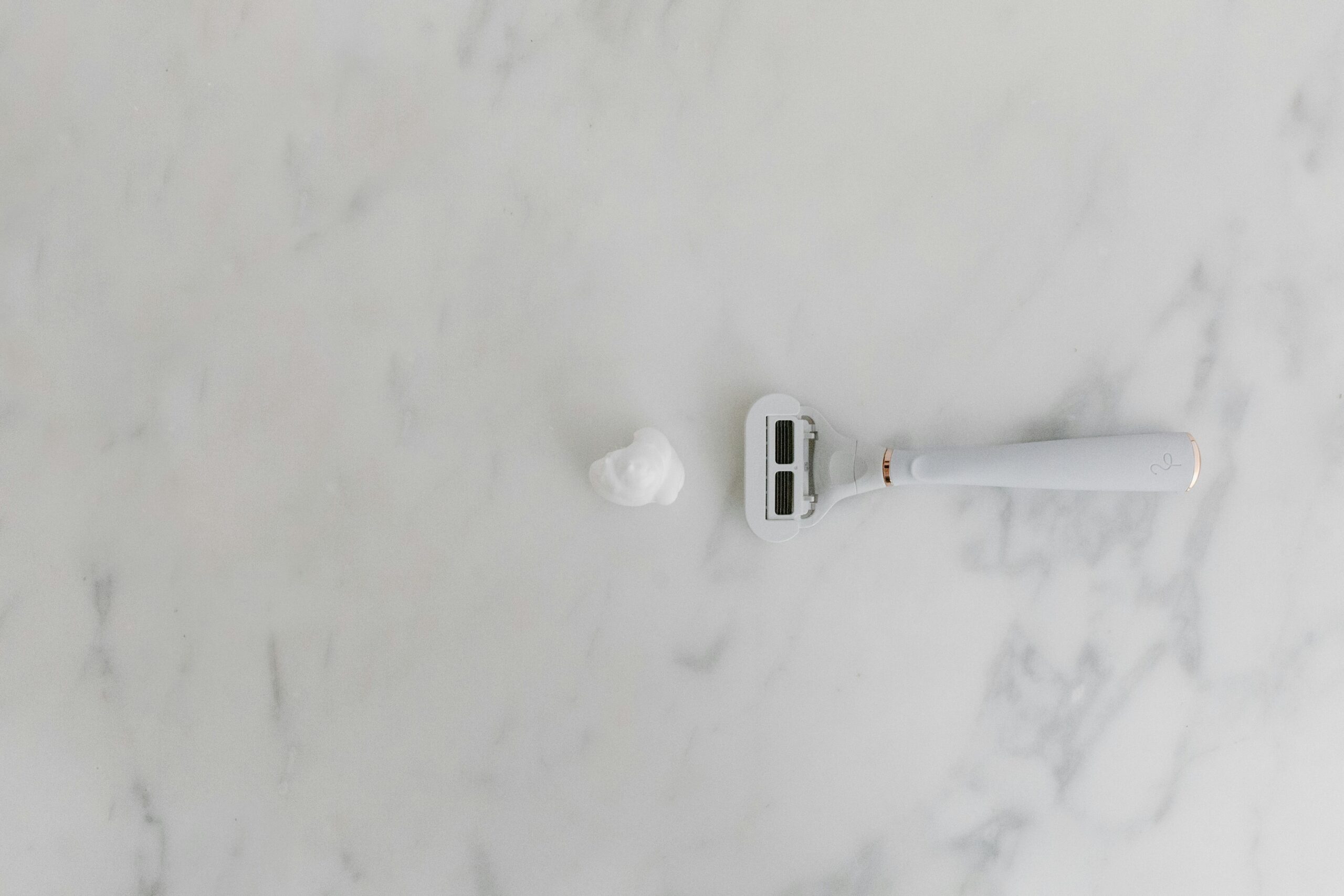
🌟 Transforming Your Daily Routine into Self-Care Ritual
Approaching shaving as an intentional self-care practice rather than a rushed chore enhances both the experience and results while providing valuable mindfulness moments in busy days.
Creating a dedicated shaving space with proper lighting, a quality mirror, and organized tools transforms the activity into something enjoyable rather than merely functional. This environmental investment encourages proper technique and attention to detail.
Slowing down the process allows mindful attention to each stroke, reducing errors while providing meditative focus on the present moment. Rather than racing through your routine, treat each shave as deliberate personal grooming that deserves full attention.
Experimenting with different products, techniques, and tools keeps the routine interesting while helping you continually refine your approach based on seasonal skin changes, aging factors, and evolving preferences.
Your perfect shave awaits—it’s simply a matter of understanding your unique needs, selecting appropriate tools, and developing technique through patient practice. Whether you choose the economical precision of a safety razor, the convenient familiarity of cartridge systems, or the modern efficiency of electric shavers, the key lies in matching your selection to your personal grooming priorities while committing to proper technique and quality supporting products. The investment in finding your ideal shaving system pays dividends daily through improved comfort, better results, and the quiet confidence that comes from looking your best.