Shaving can leave your skin feeling raw, tight, and vulnerable. The key to preventing irritation and achieving a comfortable, healthy-looking complexion lies in what you do immediately after you put down the razor.

Post-shave care isn’t just an optional luxury—it’s an essential step that determines whether you’ll experience smooth, refreshed skin or deal with redness, bumps, and discomfort throughout the day. Understanding how to properly soothe, hydrate, and protect your freshly shaved skin can transform your entire grooming routine and dramatically improve your skin’s appearance and health.
Why Post-Shave Care Makes All the Difference 🪒
When you shave, you’re not just removing hair—you’re also stripping away the top layer of skin cells and natural oils that protect your face. This process leaves your skin temporarily compromised, making it more susceptible to bacteria, environmental irritants, and moisture loss. Without proper care, this vulnerability quickly manifests as razor burn, ingrown hairs, dryness, and inflammation.
Quality post-shave care addresses these issues by creating a protective barrier, replenishing lost moisture, and calming inflammation before it becomes problematic. Men who invest just two minutes in proper aftercare typically experience significantly fewer skin issues and maintain healthier, younger-looking skin over time.
The Science Behind Shaving Irritation
Understanding what happens to your skin during shaving helps explain why aftercare is so critical. The razor blade creates microscopic cuts and abrasions across the skin’s surface, even when you can’t see or feel them. These tiny wounds trigger an inflammatory response as your body rushes to heal the damage.
Simultaneously, shaving removes sebum—your skin’s natural protective oil—leaving pores exposed and vulnerable. This combination of minor trauma and compromised protection creates the perfect environment for bacterial growth, dehydration, and sensitivity. The burning sensation many men experience after shaving is actually your nerve endings reacting to this sudden exposure.
Without intervention, this inflammatory cascade continues for hours, explaining why razor burn often worsens throughout the day rather than immediately after shaving. Proper post-shave products interrupt this process by delivering anti-inflammatory compounds, protective barriers, and hydrating ingredients exactly when your skin needs them most.
Essential Steps for Ultimate Post-Shave Recovery ✨
Rinse With Cold Water First
Immediately after your final razor stroke, rinse your face thoroughly with cold water. This simple step accomplishes several important goals simultaneously. Cold water closes your pores, reducing the risk of bacterial infiltration and preventing dirt and product residue from becoming trapped beneath the skin’s surface.
The cold temperature also constricts blood vessels, which helps minimize inflammation and reduces redness. Many men notice their skin looks calmer and less irritated simply by switching from warm to cold water for their final rinse. Pat your face gently with a clean towel—never rub, as this can aggravate already sensitive skin.
Apply an Alcohol-Free Aftershave
Traditional aftershaves containing high alcohol concentrations do provide antiseptic benefits, but they come at a significant cost. Alcohol severely dehydrates skin, disrupts the moisture barrier, and can actually worsen inflammation despite the initial cooling sensation. Modern formulations offer superior alternatives that disinfect without damaging your skin.
Look for aftershave products featuring witch hazel, tea tree oil, or other natural antiseptics. These ingredients effectively neutralize bacteria while simultaneously calming inflammation. Apply your aftershave immediately after patting dry, while your skin is still slightly damp—this helps lock in residual moisture and improves product absorption.
Lock in Moisture With Quality Moisturizer
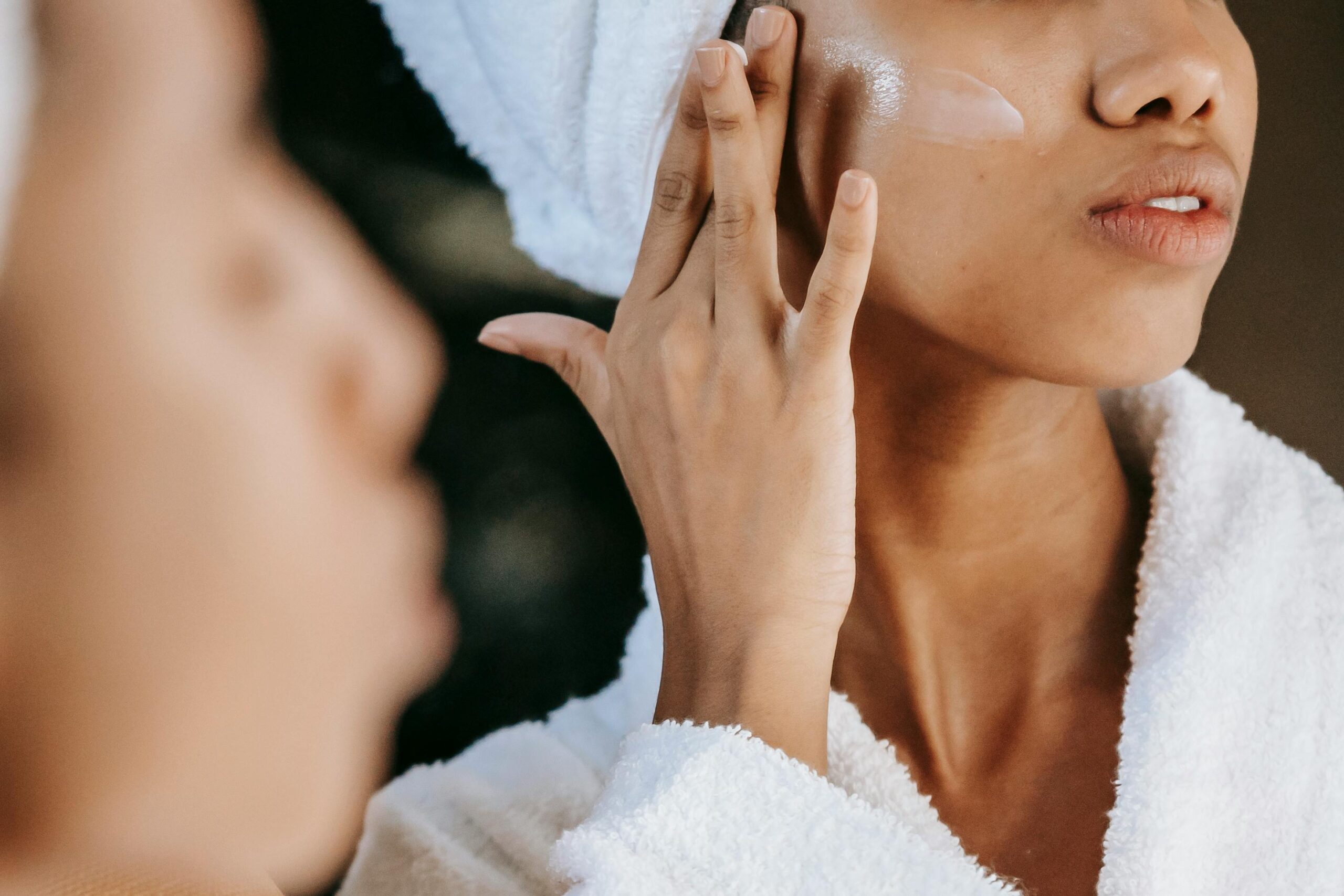
After your aftershave has absorbed for 30-60 seconds, apply a dedicated facial moisturizer. This step is non-negotiable, even for men with naturally oily skin. Shaving strips away moisture regardless of skin type, and failing to replenish it triggers your sebaceous glands to overproduce oil in compensation, potentially leading to breakouts and clogged pores.
Choose moisturizers specifically formulated for post-shave application. These products typically contain higher concentrations of soothing ingredients like aloe vera, chamomile, and allantoin. They should feel lightweight and absorb quickly without leaving a greasy residue. For optimal results, use upward motions when applying to encourage blood circulation and prevent sagging.
Power Ingredients That Transform Post-Shave Care 💪
Aloe Vera: Nature’s Healing Champion
Aloe vera deserves its reputation as the gold standard for soothing irritated skin. This succulent plant contains over 75 active compounds, including vitamins, minerals, enzymes, and amino acids that work synergistically to accelerate healing. Aloe vera’s polysaccharides form a protective film over micro-abrasions, shielding them from irritants while the underlying tissue repairs itself.
Research consistently demonstrates aloe vera’s ability to reduce inflammation, promote collagen synthesis, and provide intense hydration without clogging pores. Products containing at least 10% pure aloe vera extract deliver noticeable benefits, though higher concentrations offer even better results for sensitive or easily irritated skin.
Hyaluronic Acid: The Hydration Powerhouse
Despite its intimidating name, hyaluronic acid is one of the gentlest and most effective moisturizing ingredients available. This naturally occurring molecule can hold up to 1,000 times its weight in water, making it extraordinarily effective at plumping and hydrating shaved skin. Unlike heavy oils or occlusives, hyaluronic acid delivers moisture without greasiness.
When applied to damp skin, hyaluronic acid draws moisture from the air and locks it into your epidermis, providing long-lasting hydration that keeps skin comfortable throughout the day. This ingredient is particularly valuable for men who shave daily, as it helps maintain the skin barrier despite repeated trauma from the razor.
Vitamin E: Protection and Repair
Vitamin E functions as both an antioxidant and an anti-inflammatory, making it ideal for post-shave recovery. This fat-soluble vitamin neutralizes free radicals generated during the shaving process, preventing oxidative stress that can accelerate aging and worsen irritation. Additionally, vitamin E supports skin barrier repair by promoting lipid production.
Look for products listing tocopherol or tocopheryl acetate among the first several ingredients. These vitamin E derivatives penetrate effectively and remain stable in topical formulations. Regular use of vitamin E-enriched post-shave products can visibly improve skin texture and reduce the appearance of shaving-related damage over time.
Addressing Specific Post-Shave Problems 🎯
Razor Burn Relief
Razor burn—that painful red rash that appears shortly after shaving—results from a combination of blade friction, pressure, and multiple passes over the same area. To address existing razor burn, apply a cool compress immediately after shaving, followed by a product containing colloidal oatmeal or hydrocortisone cream for severe cases.
Prevention works better than treatment for razor burn. Ensure your blade is sharp, use adequate shaving cream, and never apply excessive pressure. If you’re prone to razor burn, consider reducing shaving frequency or switching to an electric razor that doesn’t cut quite as close to the skin.
Ingrown Hair Prevention
Ingrown hairs occur when cut hair curls back and grows into the skin rather than emerging from the follicle. Men with coarse or curly facial hair experience ingrown hairs more frequently. Post-shave products containing salicylic acid or glycolic acid help prevent ingrown hairs by gently exfoliating dead skin cells that might trap emerging hair.
Apply these exfoliating products 2-3 times weekly rather than daily to avoid over-exfoliation. Between exfoliating sessions, keep skin well-moisturized to maintain flexibility and reduce the likelihood of hair becoming trapped beneath the surface. Never pick or squeeze ingrown hairs, as this introduces bacteria and can cause scarring.
Managing Persistent Redness
Some men experience redness that persists for hours after shaving, even with proper technique and quality products. This often indicates underlying sensitivity or compromised skin barrier function. Products featuring niacinamide (vitamin B3) can significantly reduce persistent redness by strengthening the skin barrier and reducing inflammatory responses.
Green-tinted primers or moisturizers can also help neutralize redness through color correction while your skin heals. If redness remains severe despite proper aftercare, consult a dermatologist, as you may have an underlying condition like rosacea or seborrheic dermatitis that requires specialized treatment.
Building Your Optimal Post-Shave Routine 🌟
Morning Shave Protocol
For morning shavers, post-shave care needs to prepare your skin for the day ahead while providing long-lasting protection. After rinsing and applying aftershave, use a moisturizer with built-in SPF protection—sun exposure on freshly shaved skin can cause hyperpigmentation and accelerate aging. Choose at least SPF 30 for adequate protection.
If you wear makeup or other facial products, wait 2-3 minutes after moisturizer application before proceeding. This allows your post-shave products to absorb fully rather than being diluted or displaced by subsequent layers. The brief wait significantly improves efficacy and reduces the likelihood of products pilling or rolling on your skin.
Evening Shave Considerations
Evening shaves allow for more intensive recovery treatments since you won’t be immediately exposing your skin to environmental stressors. Consider using richer, more emollient moisturizers at night, as they can feel too heavy for daytime wear but provide superior healing benefits overnight.
This is also the ideal time to incorporate treatment products like retinol or peptide serums, though you should introduce these gradually and never apply them immediately after shaving. Wait at least 30 minutes after your standard post-shave routine before applying active treatments to avoid excessive irritation.
Natural Remedies Worth Considering 🌿
Coconut Oil for Deep Moisture
Virgin coconut oil contains lauric acid, a fatty acid with proven antimicrobial properties that can help prevent post-shave infections. Its rich texture provides intense moisturization, making it particularly beneficial for men with dry or mature skin. Apply a thin layer after your regular aftershave has absorbed—a little goes a long way.
However, coconut oil is comedogenic and may clog pores in acne-prone individuals. If you’re susceptible to breakouts, test coconut oil on a small area first or opt for non-comedogenic alternatives like jojoba or argan oil instead.
Chamomile Tea Compress
Chamomile contains apigenin and other flavonoids with powerful anti-inflammatory properties. Brewing a strong chamomile tea, cooling it completely, and applying it as a compress can significantly reduce post-shave inflammation. This simple home remedy costs pennies and works remarkably well for sensitive skin.
Soak a clean washcloth in chilled chamomile tea and apply it to freshly shaved areas for 5-10 minutes. Follow with your regular post-shave products. This technique works particularly well for men who experience significant redness or irritation despite using quality commercial products.
Common Post-Shave Mistakes to Avoid ⚠️
Even with good intentions, many men sabotage their post-shave care through common errors. Using hot water after shaving might feel soothing, but it strips away remaining natural oils and increases inflammation. Always finish with cold water regardless of personal preference.
Applying too much product is another frequent mistake. More doesn’t mean better—excessive product application can clog pores and prevent proper skin breathing. Use the recommended amount (typically pea-sized for most facial products) and add more only if necessary after the first application absorbs.
Rubbing rather than patting your face dry causes unnecessary friction on already compromised skin. This mechanical irritation can worsen razor burn and even create new micro-tears in the skin. Always use a clean, soft towel and gentle patting motions when drying your face.
Perhaps the biggest mistake is inconsistency. Post-shave care works cumulatively—benefits compound over time with regular use. Sporadic application provides limited benefits compared to making proper aftercare an automatic part of every shaving session.
When to Upgrade Your Post-Shave Arsenal 💼
As skin changes with age, environmental exposure, and lifestyle factors, your post-shave needs evolve accordingly. Men in their 20s can typically get away with simpler routines, while those in their 30s and beyond benefit from more sophisticated formulations containing anti-aging ingredients like peptides and antioxidants.
Seasonal changes also warrant routine adjustments. Winter’s dry air and indoor heating require richer, more emollient moisturizers, while summer humidity allows for lighter formulations. Pay attention to how your skin responds and adjust accordingly rather than using the same products year-round.
If you notice your current routine no longer prevents irritation effectively, or if you’re experiencing new issues like persistent dryness or increased sensitivity, it’s time to reevaluate your products. Skin changes over time, and what worked perfectly five years ago may no longer meet your current needs.
The Long-Term Benefits of Consistent Aftercare 🏆
Men who maintain proper post-shave care routines experience benefits that extend far beyond immediate comfort. Consistent hydration and protection slow visible aging by maintaining skin elasticity and preventing the fine lines that result from chronic dehydration. Over time, this translates to significantly younger-looking skin compared to those who skip aftercare.
Regular moisturization also improves shaving performance itself by maintaining skin suppleness. Well-hydrated skin is more resilient and less prone to nicks, cuts, and irritation during subsequent shaves. This creates a positive cycle where good aftercare leads to better shaves, which require less aggressive recovery measures.
Perhaps most importantly, proper post-shave care prevents the cumulative damage that manifests as premature aging, scarring from repeated irritation, and chronic skin conditions. The few minutes invested after each shave pay dividends for decades in the form of healthier, more attractive skin that ages gracefully rather than showing every environmental insult.
Your face is the first thing people notice about you. Taking proper care of it after shaving isn’t vanity—it’s basic self-maintenance that affects how you look, feel, and present yourself to the world. By implementing these post-shave strategies consistently, you’ll enjoy smoother, healthier skin that looks and feels its absolute best every single day.