Shaving with sensitive skin doesn’t have to be a painful ordeal. Finding the right techniques and products can transform your daily routine into a comfortable experience.

Many people struggle with razor burn, irritation, and discomfort after shaving, especially those with sensitive skin. The good news is that with proper preparation, quality tools, and gentle techniques, you can achieve smooth results without compromising your skin’s health. This comprehensive guide will walk you through everything you need to know about shaving sensitive skin safely and effectively.
🔍 Understanding Sensitive Skin and Shaving Challenges
Sensitive skin reacts more intensely to external factors, including the friction and pressure from shaving. This heightened reactivity stems from a compromised skin barrier, fewer protective lipids, or genetic predisposition. When you shave, the razor blade removes not just hair but also a thin layer of skin cells, which can trigger inflammation, redness, and discomfort in sensitive individuals.
Common symptoms of shaving irritation include razor burn, ingrown hairs, redness, itching, and small bumps. These reactions occur because sensitive skin has a lower tolerance threshold for physical and chemical irritants. The blade’s friction generates heat and micro-trauma, while shaving products containing harsh ingredients like alcohol or synthetic fragrances can exacerbate the problem.
Why Traditional Shaving Methods Fail Sensitive Skin
Traditional shaving approaches often prioritize speed and closeness over skin health. Multi-blade razors, while marketed as superior, can actually cause more irritation by making multiple passes over the same area. Similarly, aerosol shaving foams with numbing agents and artificial fragrances create a false sense of protection while drying out the skin.
The aggressive marketing of “ultra-close” shaves has conditioned many people to expect baby-smooth results, but this often comes at the expense of skin integrity. For those with sensitive skin, this pursuit of perfection becomes particularly problematic, leading to chronic irritation and damaged skin barriers.
✨ Pre-Shave Preparation: The Foundation of Gentle Shaving
Proper preparation is absolutely critical for sensitive skin shaving success. Your pre-shave routine should begin at least five minutes before you pick up the razor, allowing time for your skin and hair to soften properly.
Cleansing Without Stripping
Start with a gentle, fragrance-free cleanser that removes dirt, oil, and dead skin cells without compromising your skin’s natural moisture barrier. Avoid harsh soaps or cleansers containing sodium lauryl sulfate, which can strip away protective oils and leave skin vulnerable to irritation.
Use lukewarm water rather than hot water, as extreme temperatures can increase skin sensitivity. Pat your face gently with a soft towel, leaving it slightly damp to help retain moisture.
The Power of Warm Compress
Apply a warm, damp towel to the shaving area for two to three minutes. This simple step offers multiple benefits: it softens hair follicles, opens pores, and increases blood circulation to the skin surface. Softer hair is easier to cut, requiring less pressure and reducing the risk of irritation.
For those who prefer morning showers, shaving immediately after bathing can provide similar benefits. The steam and warm water naturally prepare your skin and hair for a gentler shave.
Exfoliation: Handle With Care
Gentle exfoliation removes dead skin cells that can clog razors and contribute to ingrown hairs. However, for sensitive skin, less is definitely more. Use a chemical exfoliant with mild ingredients like lactic acid or PHA (polyhydroxy acids) rather than abrasive scrubs that can create micro-tears.
Limit exfoliation to once or twice weekly, and never exfoliate immediately before shaving if your skin feels irritated. Over-exfoliation compromises the skin barrier and increases sensitivity.
🪒 Choosing the Right Shaving Tools for Sensitive Skin
Your choice of razor significantly impacts shaving comfort and results. While personal preference plays a role, certain razor types consistently perform better for sensitive skin.
Safety Razors: Old School Meets Skin Care
Safety razors use a single, sharp blade that cuts hair cleanly without tugging or requiring multiple passes. The weight of the razor does most of the work, meaning you apply less pressure—a crucial advantage for sensitive skin. Though they require a learning curve, many users find them gentler and more economical than cartridge razors.
Cartridge Razors: What to Look For
If you prefer cartridge razors, choose ones with two or three blades maximum. Despite marketing claims, more blades don’t necessarily mean better results for sensitive skin. Look for razors with lubricating strips containing aloe vera or vitamin E, and ensure the handle provides good grip for control.
Replace blades regularly—dull blades cause more friction and require more pressure, increasing irritation risk. A good rule of thumb is replacing cartridges after five to seven shaves, or sooner if you notice tugging.
Electric Razors: A Viable Alternative
Modern electric razors offer a no-contact approach that can benefit extremely sensitive skin. Foil shavers tend to be gentler than rotary models, though they may not provide as close a shave. This trade-off often proves worthwhile for those prone to severe irritation.
🧴 Selecting Sensitive-Skin-Friendly Shaving Products
The products you apply before, during, and after shaving play a pivotal role in preventing irritation. Understanding ingredient labels helps you avoid common irritants while selecting formulations that support your skin barrier.
Shaving Creams and Gels: What Works Best
High-quality shaving creams create a protective cushion between blade and skin while providing slip for smooth razor gliding. Look for products specifically formulated for sensitive skin, with these beneficial ingredients:
- Glycerin: Draws moisture to the skin and softens hair
- Aloe vera: Soothes and reduces inflammation
- Coconut oil or shea butter: Provides lubrication and nourishment
- Colloidal oatmeal: Calms irritation and strengthens skin barrier
- Allantoin: Promotes healing and reduces redness
Avoid products containing alcohol, menthol, synthetic fragrances, or sulfates, as these commonly trigger sensitivity reactions. Natural, unscented formulations typically prove safest for reactive skin.
The Case for Shaving Oils
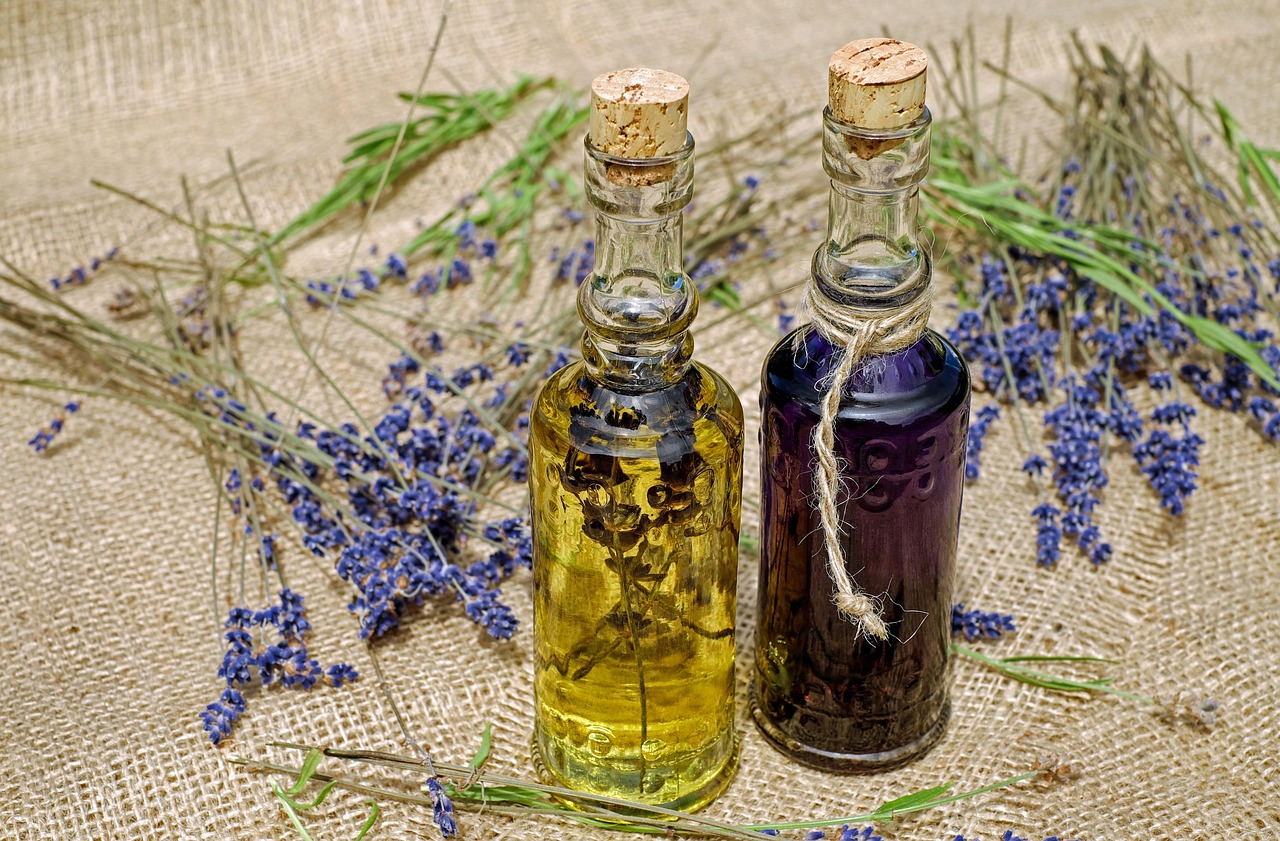
Pre-shave oils create an additional protective layer beneath shaving cream, offering extra slip and barrier protection. They’re particularly beneficial for those with very sensitive or dry skin. Apply a few drops to damp skin, massage gently, then apply your shaving cream over top.
Quality shaving oils contain botanical oils like jojoba, argan, or grapeseed, which nourish without clogging pores. Some users with oily skin may prefer skipping this step or using it only occasionally.
✂️ Mastering Gentle Shaving Technique
Even with perfect products and tools, poor technique can still cause irritation. Developing proper shaving habits makes the difference between smooth comfort and painful razor burn.
The Direction Matters: With the Grain vs. Against
Always begin by shaving with the grain—following your hair’s natural growth direction. This approach reduces friction and minimizes the risk of ingrown hairs. For most facial areas, this means shaving downward, though hair growth patterns vary individually.
If you need a closer shave, follow with an across-the-grain pass rather than jumping straight to against-the-grain shaving. Never go against the grain on sensitive skin unless absolutely necessary, and only after proper preparation.
Pressure, Angle, and Stroke Length
Let the razor’s weight do the work—applying additional pressure increases irritation risk without improving results. Hold the razor at approximately a 30-degree angle to your skin, maintaining consistent light contact.
Use short, controlled strokes rather than long sweeps. This gives you better precision and reduces the chances of applying uneven pressure. Rinse the blade frequently to prevent hair and cream buildup, which causes dragging and requires more pressure.
The Single-Pass Philosophy
For sensitive skin, fewer passes equal less irritation. Challenge the notion that you need perfectly smooth skin—slight stubble is far preferable to painful razor burn. If you must make additional passes, reapply shaving cream each time and never go over the same spot more than twice.
🧊 Post-Shave Care: Soothing and Protecting
How you treat your skin immediately after shaving significantly affects both immediate comfort and long-term skin health. Post-shave care focuses on calming inflammation, restoring moisture, and strengthening the skin barrier.
Rinsing and Cooling
Rinse thoroughly with cool water to remove all product residue and close pores. The cool temperature helps reduce inflammation and provides immediate soothing relief. Pat—don’t rub—your skin dry with a clean, soft towel.
Some people benefit from applying a cold compress or ice-wrapped cloth for 30 seconds to particularly sensitive areas. This constricts blood vessels and minimizes redness.
Alcohol-Free Aftershave Alternatives
Traditional aftershaves containing high alcohol content burn for a reason—they’re stripping and irritating your freshly shaved skin. Instead, choose alcohol-free aftershave balms or lotions formulated for sensitive skin.
Look for post-shave products containing:
- Witch hazel (alcohol-free): Natural astringent with anti-inflammatory properties
- Chamomile extract: Calms redness and irritation
- Vitamin E: Promotes healing and provides antioxidant protection
- Hyaluronic acid: Deeply hydrates without heaviness
- Niacinamide: Strengthens skin barrier and reduces inflammation
Moisturizing for Recovery
Apply a fragrance-free, gentle moisturizer while your skin is still slightly damp to lock in hydration. Choose formulations appropriate for your skin type—lighter lotions for oily skin, richer creams for dry skin.
Wait at least 20 minutes after shaving before applying other skincare products, especially those containing active ingredients like retinoids or acids, which may sting freshly shaved skin.
🌿 Natural Remedies and Alternative Approaches
Beyond conventional products, several natural ingredients and alternative methods can benefit sensitive skin shavers. These options provide gentle, effective solutions with minimal risk of adverse reactions.
DIY Soothing Ingredients
Pure aloe vera gel, directly from the plant or a high-quality product without additives, offers immediate cooling relief and accelerates healing. Apply generously to freshly shaved skin and allow it to absorb fully.
Green tea compresses provide anti-inflammatory benefits through powerful antioxidants. Brew strong green tea, allow it to cool, then apply with a soft cloth or cotton pad to irritated areas.
Coconut oil serves as both a natural shaving lubricant and post-shave moisturizer. Its antimicrobial properties help prevent infection in small nicks while providing excellent hydration.
Alternative Hair Removal for Extremely Sensitive Skin
If traditional shaving continues causing problems despite following all best practices, consider alternatives like electric trimmers that cut hair very short without touching skin, or exploring professional options like laser hair removal, which can permanently reduce hair growth and eliminate shaving needs.
📅 Creating Your Sensitive Skin Shaving Schedule
Frequency matters significantly for sensitive skin. Daily shaving rarely allows adequate recovery time, potentially leading to cumulative irritation and chronic sensitivity.
Most sensitive-skin individuals benefit from shaving every two to three days rather than daily. This schedule allows your skin barrier to repair between sessions while preventing hair from growing long enough to cause other issues.
Pay attention to your skin’s signals. If you notice persistent redness, increased sensitivity, or developing bumps, extend time between shaves and reassess your technique and products.
⚠️ Troubleshooting Common Sensitive Skin Shaving Problems
Dealing with Razor Burn
If razor burn occurs despite precautions, immediately apply a cool compress followed by aloe vera gel or hydrocortisone cream (1% or less). Avoid shaving the affected area until completely healed, typically three to five days.
Preventing and Treating Ingrown Hairs
Ingrown hairs result from hair curling back into skin rather than growing outward. Prevent them by shaving with the grain, exfoliating gently between shaves, and keeping skin moisturized. Never pick or squeeze ingrown hairs, as this can cause scarring and infection.
Managing Persistent Irritation
Chronic shaving irritation may indicate underlying skin conditions like eczema, rosacea, or folliculitis. If problems persist despite proper technique and quality products, consult a dermatologist for professional evaluation and treatment recommendations.
💡 Advanced Tips for Sensitive Skin Shaving Success
Once you’ve mastered the basics, these advanced strategies can further optimize your shaving experience and minimize any remaining irritation.
Mapping your hair growth pattern helps ensure you’re truly shaving with the grain. Examine your face or body area closely, noting which direction hair grows in different zones. Hair doesn’t always grow uniformly, and treating each area according to its specific pattern reduces irritation.
Seasonal adjustments matter—winter’s dry air and indoor heating require richer moisturizers and possibly less frequent shaving, while summer humidity might allow lighter products and slightly more frequent sessions.
Stay hydrated from within by drinking adequate water daily. Well-hydrated skin is more resilient and recovers faster from the minor trauma of shaving.
🎯 Building Your Perfect Sensitive Skin Shaving Kit
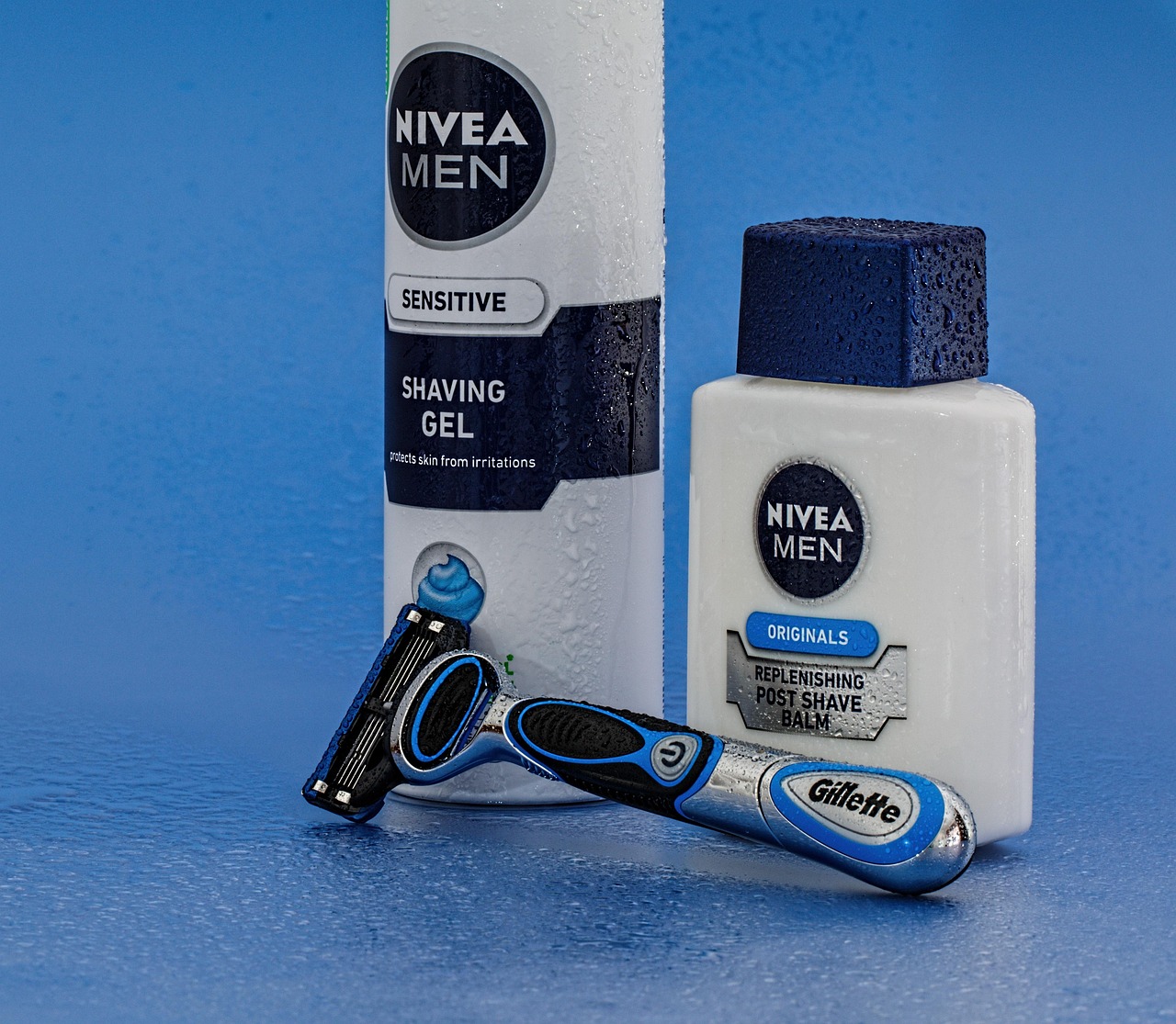
Assembling the right tools and products creates consistency and reliability in your shaving routine. Your basic sensitive skin shaving kit should include:
- A quality razor appropriate for your preference and skill level
- Fresh, sharp blades or replacement cartridges
- Fragrance-free, sensitive-formula shaving cream or gel
- Optional pre-shave oil for extra protection
- Alcohol-free aftershave balm or lotion
- Gentle, fragrance-free moisturizer
- Pure aloe vera gel for emergency soothing
- Clean towels designated for shaving only
Store products in cool, dry places and replace them before expiration dates. Contaminated or expired products can harbor bacteria that cause infections in freshly shaved skin.
🌟 Embracing Your Unique Skin Journey
Shaving with sensitive skin requires patience, experimentation, and self-compassion. What works perfectly for one person might not suit your unique skin chemistry and hair type. Give new products and techniques adequate trial periods—at least two to three weeks—before judging effectiveness.
Track your experiences in a simple journal, noting products used, techniques tried, and results achieved. This data helps identify patterns and refine your approach over time. Remember that skin changes with age, seasons, and life circumstances, so remain flexible and willing to adjust your routine as needed.
Ultimately, the goal isn’t achieving the closest possible shave but rather finding the sustainable balance between smoothness and skin health. Accepting slightly less closeness in exchange for comfortable, irritation-free skin represents true shaving success for sensitive individuals. With the right knowledge, tools, and techniques, you can transform shaving from a dreaded chore into a manageable, even pleasant, self-care ritual that leaves your skin looking and feeling its best.