Winter brings dry air, chilly winds, and unique challenges for anyone who shaves regularly. Cold weather can transform your normal shaving routine into an uncomfortable experience that leaves skin irritated, red, and rough.

The combination of indoor heating and outdoor cold creates the perfect storm for shaving irritation. Understanding how to adapt your grooming habits during winter months is essential for maintaining smooth, healthy skin throughout the season. Whether you’re dealing with facial hair, legs, or any other area, these specialized strategies will help you navigate the challenges of cold-weather shaving with confidence and comfort.
❄️ Understanding Winter’s Impact on Your Skin
Cold weather fundamentally changes how your skin behaves and responds to shaving. The harsh winter environment strips away your skin’s natural moisture barrier, leaving it vulnerable and sensitive. Indoor heating systems compound this problem by removing humidity from the air, creating a double assault on skin hydration that affects shaving outcomes dramatically.
When temperatures drop, blood vessels constrict to preserve body heat, reducing circulation to the skin’s surface. This decreased blood flow means slower healing and increased sensitivity during and after shaving. Your skin becomes thinner, drier, and less resilient, making it more susceptible to razor burn, nicks, and prolonged irritation from even minor shaving mistakes.
The sebaceous glands that produce protective oils also slow down production in cold weather. Without adequate natural lubrication, razors drag across skin rather than glide smoothly, creating friction that leads to micro-tears, inflammation, and that dreaded post-shave discomfort that seems worse during winter months.
🚿 Pre-Shave Preparation: Your First Line of Defense
Proper preparation makes the difference between a comfortable shave and winter irritation. Start by warming your skin thoroughly before any blade touches it. A warm shower or hot towel application for three to five minutes opens pores, softens hair follicles, and increases circulation to the area you’ll be shaving, creating optimal conditions for a smooth experience.
Exfoliation becomes even more critical during winter months when dead skin cells accumulate faster due to dehydration. Use a gentle exfoliating scrub or soft brush two to three times weekly to remove this buildup, which can trap hairs and cause ingrown problems. Choose chemical exfoliants with lactic or glycolic acid for sensitive winter skin rather than harsh physical scrubs.
Creating the Perfect Pre-Shave Environment
Temperature matters significantly for winter shaving success. Never shave immediately after coming in from the cold when skin is still constricted and numb. Allow at least fifteen minutes for your skin to adjust to room temperature and for normal circulation to resume before beginning your shaving routine.
Consider adding a humidifier to your bathroom during winter months. This simple device restores moisture to the air, helping prevent the excessive dryness that makes shaving more difficult and irritating. Running a hot shower before shaving also temporarily increases bathroom humidity, creating a more skin-friendly environment.
🪒 Choosing the Right Shaving Tools for Cold Weather
Your razor selection impacts irritation levels significantly during winter. Sharp blades are non-negotiable when skin is already compromised by cold weather. Dull blades require more pressure and multiple passes, both of which increase irritation exponentially on sensitive winter skin. Replace disposable razors after three to five uses, and change cartridge blades weekly during winter months.
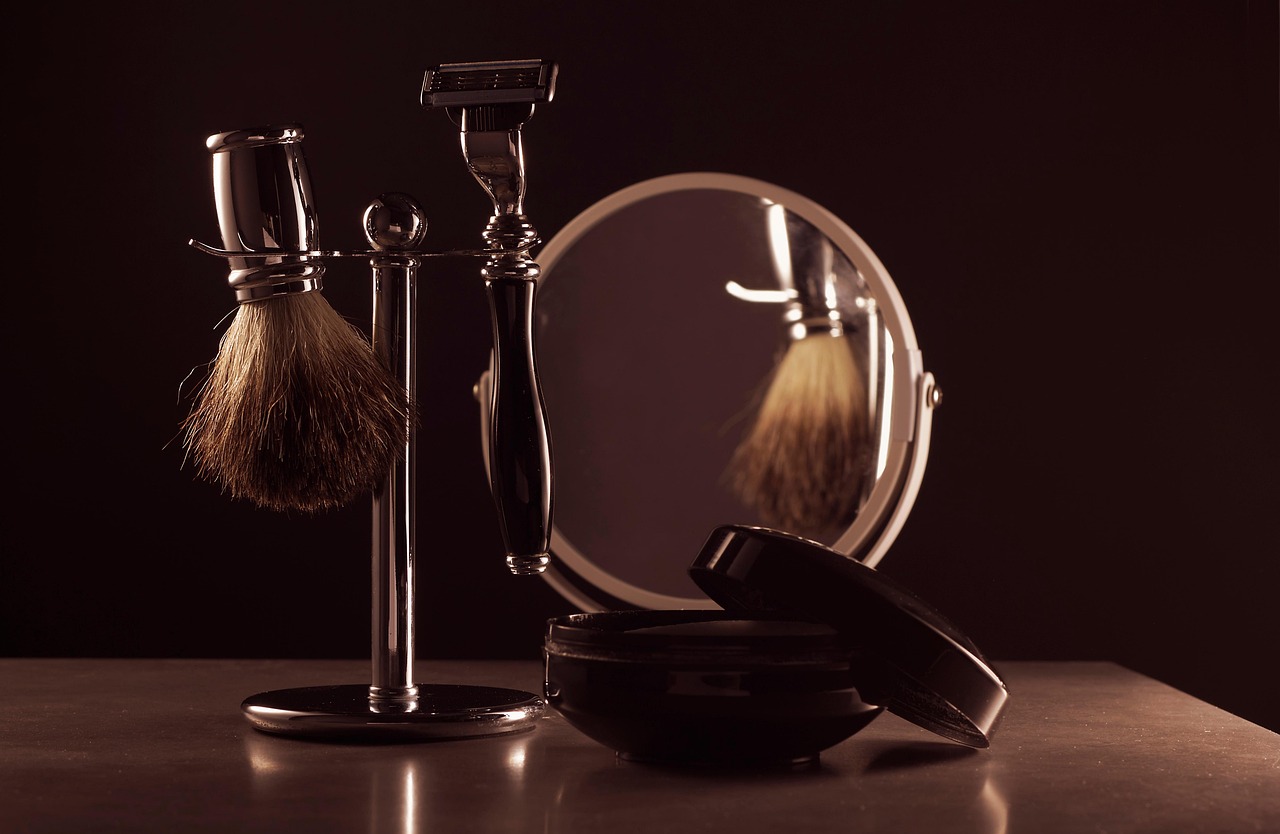
Multi-blade razors aren’t always superior for cold-weather shaving. Many people experience less irritation with single or double-blade options that make fewer passes across sensitive skin. Safety razors offer excellent control and typically provide gentler results than modern cartridge systems when used with proper technique and light pressure.
The Case for Electric Alternatives
Electric shavers and trimmers present viable alternatives during particularly harsh winter periods. These tools don’t require water or shaving cream, eliminating exposure to products that might further dry or irritate compromised skin. Modern electric shavers with pivoting heads and skin-protection technology deliver close results while minimizing contact and friction.
Rotary and foil electric shavers each offer distinct advantages for sensitive winter skin. Rotary models work well on longer hair and require less frequent replacement parts, while foil shavers provide closer results on shorter growth. Experiment with both types to determine which works best for your skin’s winter needs.
🧴 Selecting Winter-Appropriate Shaving Products
Traditional shaving foams contain alcohol and aerosol propellants that exacerbate winter dryness. Switch to cream-based or oil-based shaving products that provide superior lubrication and moisture protection during cold months. Look for formulations containing glycerin, shea butter, coconut oil, or aloe vera, which create protective barriers while allowing smooth razor glide.
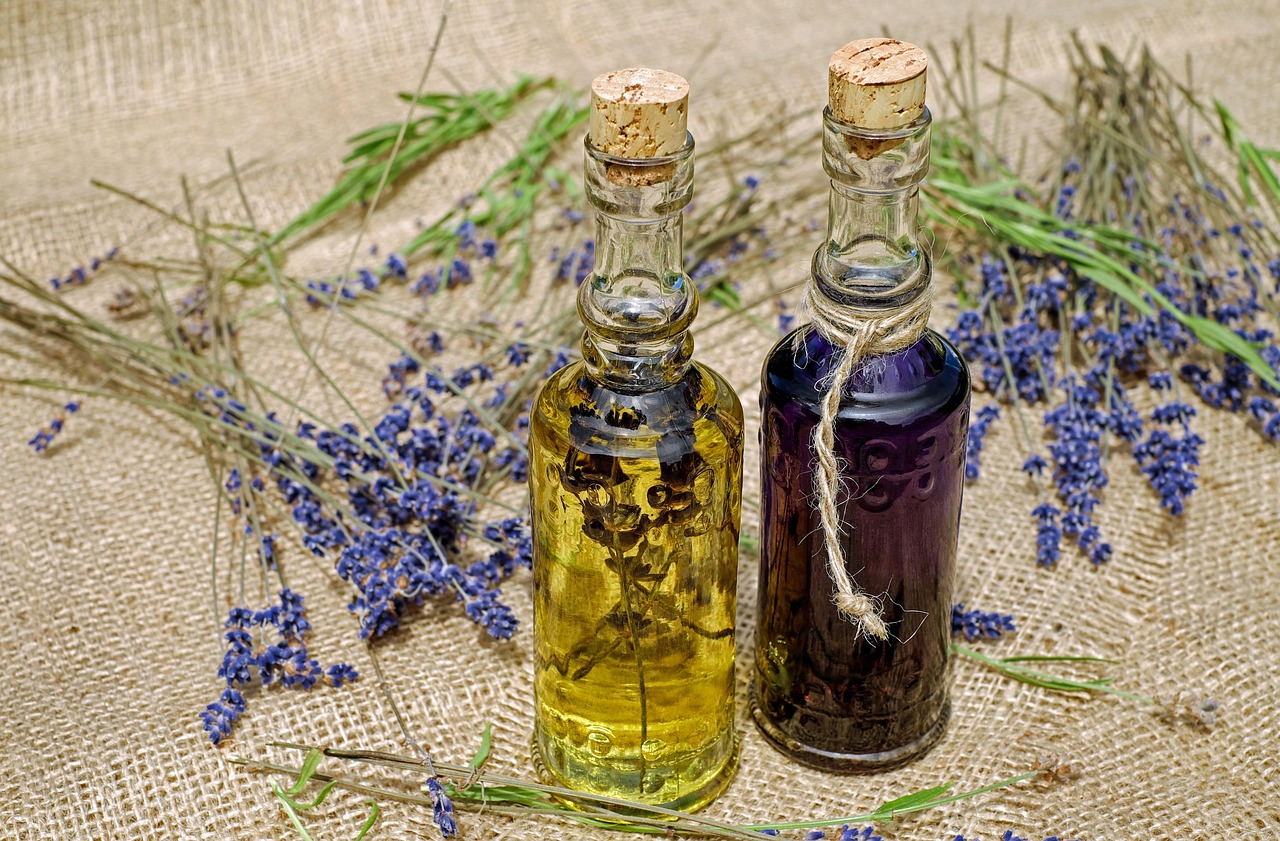
Shaving oils deserve special consideration for winter routines. These concentrated products provide exceptional lubrication with minimal product, and their transparent consistency lets you see exactly where you’re shaving, reducing accidental nicks. Apply oil to damp skin and allow it to absorb for thirty seconds before beginning, or layer it under shaving cream for maximum protection.
Key Ingredients for Cold-Weather Shaving Success
- Hyaluronic acid: Attracts and retains moisture in skin cells, counteracting winter dehydration
- Vitamin E: Provides antioxidant protection and promotes healing of minor irritations
- Colloidal oatmeal: Soothes inflammation and creates a protective film over sensitive skin
- Chamomile extract: Reduces redness and calms reactive skin during and after shaving
- Jojoba oil: Mimics skin’s natural sebum, providing lubrication without clogging pores
Avoid products containing menthol, peppermint, or high alcohol concentrations during winter. While these ingredients feel refreshing in summer, they strip essential oils and increase dryness when skin is already compromised by cold weather conditions.
✂️ Mastering Winter Shaving Technique
Your shaving technique requires adjustment during cold months to accommodate more sensitive skin. Always shave in the direction of hair growth (with the grain) during winter, even if this doesn’t provide the closest possible shave. Against-the-grain passes dramatically increase irritation risk when skin is dry and vulnerable.
Apply minimal pressure throughout the shaving process. Your razor’s weight should do the work, with your hand merely guiding direction. Pressing harder doesn’t create closer results—it only increases friction, irritation, and the likelihood of nicks on winter-compromised skin. Use short, controlled strokes rather than long sweeping motions for better precision and reduced irritation.
The Two-Pass Maximum Rule
Limit yourself to two passes over any skin area during winter shaving sessions. The first pass with the grain removes bulk hair, while a second gentle pass across the grain (perpendicular to growth) provides additional smoothness. This approach balances results with skin health, preventing the excessive irritation caused by multiple passes over the same area.
Rinse your razor after every one to two strokes to prevent hair and product buildup that creates drag. Use warm water rather than hot, which can be overly drying, or cold, which may cause premature pore closure. Pat your face with a warm, damp cloth between passes to remove residual hair and rehydrate the surface.
💧 Post-Shave Care: Sealing in Comfort
Post-shave care becomes critically important during winter months when skin needs immediate restoration of moisture and protection. Rinse thoroughly with lukewarm water to remove all product residue, then gently pat—never rub—skin dry with a soft, clean towel. Leaving skin slightly damp helps the next products absorb more effectively.
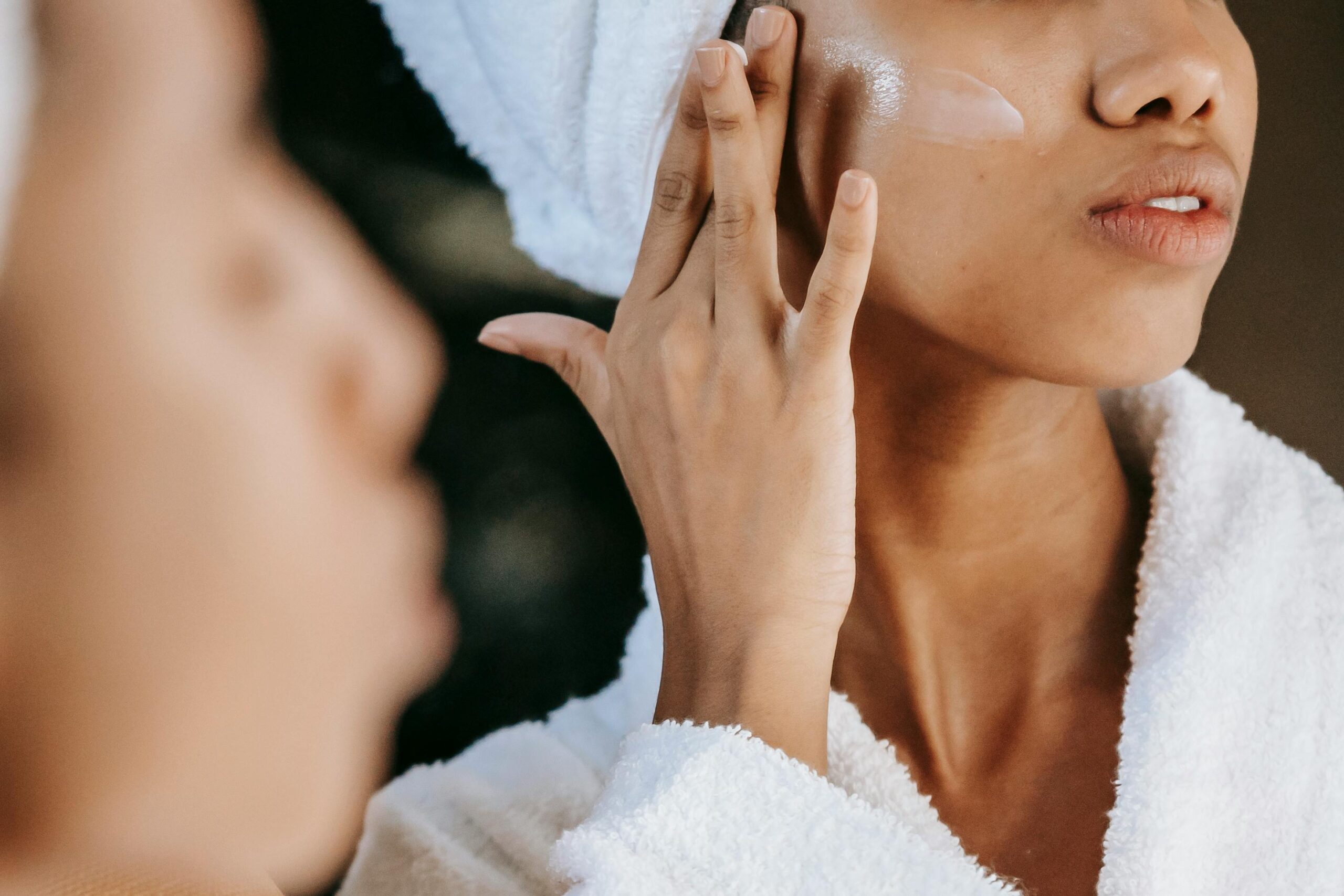
Apply aftershave treatment within sixty seconds of finishing your shave, while pores remain open and receptive. Skip alcohol-based aftershaves entirely during winter; instead, choose balms, lotions, or serums specifically formulated for sensitive, dry skin. Products containing witch hazel provide astringent benefits without the harsh drying effects of alcohol.
Layering Products for Maximum Protection
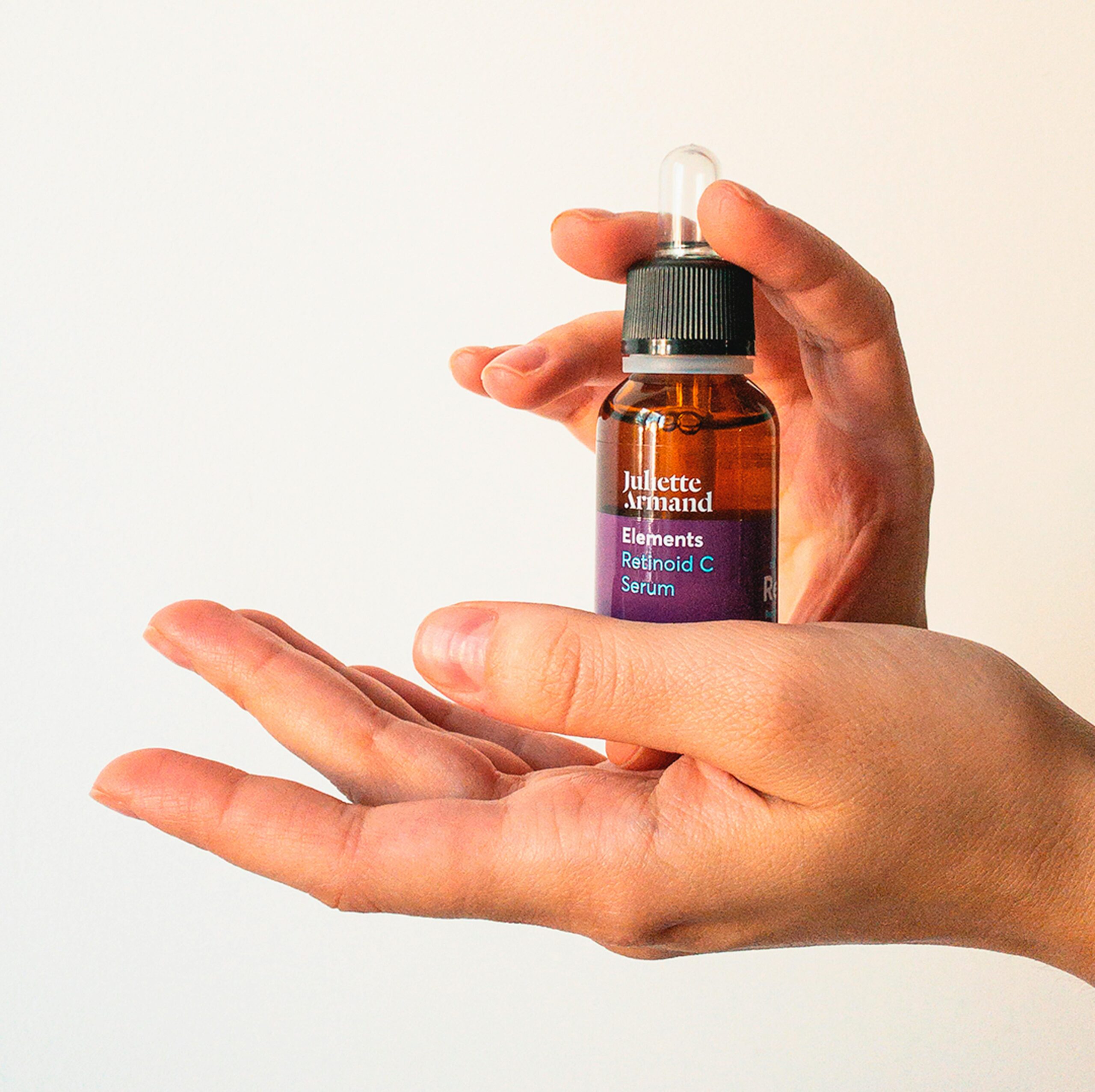
Consider a layered approach to winter post-shave care. Start with a hydrating toner or essence to restore pH balance and initial moisture. Follow with a treatment serum containing hyaluronic acid or niacinamide to address specific concerns like redness or dehydration. Finish with a richer moisturizer or facial oil that creates a protective barrier against harsh environmental conditions.
For body shaving during winter, apply body oil to damp skin immediately after shaving, then layer a thick body cream or butter over the oil. This occlusive layering technique traps maximum moisture and creates lasting protection against the drying effects of clothing, heating, and outdoor cold.
📅 Timing Your Shaves Strategically
When you shave matters as much as how you shave during winter months. Evening shaves allow your skin overnight recovery time before facing cold weather and environmental stressors. This timing gives natural healing processes eight hours to work, reducing visible irritation and discomfort the following day.
Reduce shaving frequency if possible during particularly cold or dry periods. Allowing an extra day or two between shaves gives skin additional recovery time and reduces cumulative irritation from repeated blade exposure. Many people find that shaving every other day or three times weekly provides better overall results during winter than daily shaving.
🏠 Environmental Adjustments for Better Results
Your home environment significantly impacts shaving comfort during winter. Maintain indoor humidity levels between 40-50% using whole-home or portable humidifiers. This moisture in the air prevents excessive skin dehydration that makes shaving more problematic and uncomfortable.
Keep your bathroom slightly cooler than other rooms to prevent dramatic temperature differences that shock skin. Extreme temperature fluctuations from cold outdoors to overheated indoors and back increase skin sensitivity and capillary fragility, making irritation more likely during and after shaving.
Protecting Skin Between Shaves
Winter skin care shouldn’t stop when you put down the razor. Daily moisturizing, even on non-shaving days, maintains the healthy barrier function that prevents irritation during your next shave. Use richer, more emollient products during winter than you would during humid summer months.
Protect shaved areas from harsh weather by using scarves, high collars, or protective balms when going outdoors. Wind exposure immediately after shaving dramatically increases irritation and prolongs recovery time. Apply a thin layer of petroleum jelly or thick moisturizer to freshly shaved areas before cold exposure for temporary protection.
🔧 Troubleshooting Common Winter Shaving Problems
Despite best efforts, winter shaving challenges sometimes arise. Razor burn appears as red, burning irritation immediately after shaving and results from excessive friction or dull blades. Treat it with cool compresses, aloe vera gel, and hydrocortisone cream if necessary, avoiding further shaving until completely healed.
Ingrown hairs increase during winter when dry skin cells trap growing hairs beneath the surface. Consistent gentle exfoliation prevents this problem, while warm compresses and salicylic acid treatments address existing ingrowns. Never pick or squeeze, as this creates infection risk and scarring on already compromised winter skin.
When to Seek Professional Guidance
Persistent irritation despite proper technique may indicate underlying conditions like eczema, psoriasis, or folliculitis that winter weather aggravates. Consult a dermatologist if you experience ongoing problems, severe reactions, or signs of infection such as pustules, excessive swelling, or spreading redness.
Professional advice becomes particularly valuable if you’re experiencing winter shaving problems for the first time or if your usual successful routine suddenly stops working. Skin conditions can develop or worsen with age, and personalized medical guidance ensures you’re addressing the root cause rather than just symptoms.
🌿 Natural Remedies and DIY Solutions
Simple household ingredients offer effective solutions for winter shaving challenges. Honey provides natural antibacterial and moisturizing properties—mix a small amount with your regular shaving cream for enhanced protection. Coconut oil serves as an excellent natural pre-shave oil and post-shave moisturizer with anti-inflammatory benefits.
Create a soothing post-shave treatment by mixing equal parts witch hazel and aloe vera gel with a few drops of tea tree oil. This natural formula reduces inflammation, prevents bacterial growth, and provides moisture without heavy oils that might clog pores. Store in the refrigerator for an extra cooling, soothing effect.
🎯 Building Your Winter Shaving Routine
Consistency creates the best results for comfortable winter shaving. Establish a routine that includes proper preparation, appropriate products, gentle technique, and thorough aftercare. Your skin adapts to consistent care, becoming more resilient and less reactive over time when you maintain the same approach.
Track your results in a simple journal or phone notes, recording which products, techniques, and timing work best for your individual skin. Winter affects everyone differently based on climate, indoor conditions, genetics, and existing skin conditions. This personalized data helps you refine your approach each year for increasingly better outcomes.
Remember that perfect results don’t happen overnight, especially when transitioning from fall to winter conditions. Give new products and techniques at least two weeks before judging effectiveness, as skin needs time to adjust and respond to changes in your routine. Patience and consistency outperform constant product switching and technique experimentation.
Cold weather doesn’t have to mean compromising on smooth, comfortable skin. By understanding winter’s impact on shaving, adapting your tools and products, refining your technique, and maintaining consistent care, you can achieve excellent results throughout the coldest months. Your skin will thank you with reduced irritation, faster healing, and that smooth, comfortable feeling that makes proper grooming worthwhile regardless of the temperature outside. ❄️✨