Shaving is more than just a grooming routine—it’s a skill that, when mastered, transforms your daily ritual into a satisfying experience. Whether you’re a beginner or looking to refine your technique, understanding the fundamentals makes all the difference.

The journey to achieving that perfect, smooth shave without irritation, razor bumps, or ingrown hairs requires knowledge, patience, and the right approach. Too many people rush through their shaving routine, leading to uncomfortable results and skin problems that could easily be avoided. The secret lies in understanding your skin, hair growth patterns, and implementing proper techniques that work with your body’s natural characteristics rather than against them.
🪒 Understanding Your Hair Growth Pattern: The Foundation of Perfect Shaving
Before you even pick up a razor, you need to understand the direction your facial hair grows. This fundamental knowledge separates average shavers from those who achieve consistently excellent results. Hair doesn’t grow uniformly across your face—different areas have different growth patterns, and these patterns are unique to each individual.
To map your hair growth, let your stubble grow for about two days. Run your hand gently across different areas of your face and neck. When you feel resistance, you’re going against the grain; when it feels smooth, you’re moving with the grain. The neck area typically presents the most complex growth patterns, often featuring hair that grows sideways or in swirling patterns.
Understanding these patterns is crucial because shaving direction directly impacts your results. Going with the grain reduces irritation but may not provide the closest shave. Going against the grain delivers the smoothest finish but increases the risk of razor burn, ingrown hairs, and skin irritation. The solution? A strategic multi-pass approach that we’ll explore in detail.
Preparing Your Canvas: Pre-Shave Rituals That Matter
The preparation phase is where many people fail, yet it’s arguably the most important step in achieving a comfortable shave. Your skin and facial hair need proper conditioning before a blade ever touches them. Think of this as preparing a canvas before painting—the better your preparation, the better your final results.
Timing Your Shave for Optimal Results
The best time to shave is after a warm shower or bath. The heat and moisture soften your facial hair, making it up to 70% easier to cut. The hair shaft absorbs water, swells, and becomes more pliable. Additionally, your pores open, and your skin becomes more supple, reducing the likelihood of irritation.
If you can’t shower before shaving, hold a warm, damp towel against your face for two to three minutes. This barbershop technique provides similar benefits and is particularly effective when combined with pre-shave oil or cream.
The Pre-Shave Product Advantage ✨
Pre-shave oils create a protective barrier between your skin and the razor blade. They provide additional lubrication, reduce friction, and help the razor glide smoothly across your skin. Apply a small amount to damp skin, massaging it thoroughly into your beard area before applying shaving cream or soap.
For those with sensitive skin or coarse hair, this step is non-negotiable. The extra layer of protection significantly reduces the risk of razor burn and makes the shaving process more comfortable overall.
Choosing Your Weapons: Razors, Blades, and Shaving Mediums
The tools you use directly impact your shaving experience. While personal preference plays a role, understanding the strengths and weaknesses of different options helps you make informed decisions.
Cartridge vs. Safety Razor vs. Straight Razor
Cartridge razors offer convenience and safety but can be expensive over time. They’re beginner-friendly and reduce the risk of cuts. However, multiple blades can sometimes cause more irritation as each subsequent blade lifts and cuts the hair, potentially leading to ingrown hairs.
Safety razors provide a closer shave with a single blade that cuts at skin level rather than below it. They’re economical, with replacement blades costing pennies. The learning curve is steeper, but many wet shavers consider them superior once mastered. They also offer better control and precision around facial contours.
Straight razors represent the pinnacle of traditional shaving but require significant skill and maintenance. They deliver exceptional results in experienced hands but aren’t recommended for beginners without proper training.
Shaving Cream, Soap, or Gel? 🧴
Quality shaving cream or soap creates a rich, protective lather that hydrates hair, provides cushion, and allows the razor to glide smoothly. Canned foam is convenient but often contains propellants and fewer beneficial ingredients.
Traditional shaving soaps paired with a quality brush create superior lather while exfoliating the skin and lifting hairs away from the face. The ritual of building lather also extends your pre-shave preparation time, allowing products to work more effectively.
Look for products containing natural ingredients like glycerin, shea butter, and essential oils. Avoid products with excessive fragrances or alcohol, which can dry and irritate sensitive skin.
The Three-Pass Technique: Your Roadmap to Smoothness
Professional barbers and shaving enthusiasts employ a methodical three-pass technique that balances closeness with skin comfort. Each pass serves a specific purpose and should be executed with intention and proper technique.
First Pass: With the Grain (WTG)
Your initial pass should always follow the natural direction of hair growth. This removes the bulk of your facial hair with minimal skin irritation. Use light pressure—let the weight of the razor do the work. Pressing harder doesn’t improve results; it only increases the risk of irritation, razor burn, and cuts.
Keep your strokes short and controlled, approximately two to three inches in length. Rinse your blade frequently under warm water to prevent clogging and maintain cutting efficiency. A clogged blade pulls at hairs rather than cutting cleanly, leading to discomfort and poor results.
Second Pass: Across the Grain (XTG)
After rinsing and reapplying lather, your second pass moves perpendicular to hair growth. This technique removes additional stubble while remaining relatively gentle on your skin. For many men, this pass alone provides sufficient closeness without the irritation risks associated with going against the grain.
On your neck, be particularly careful during this pass. The skin is thinner and more sensitive here, and the hair growth patterns are often irregular. Take your time and adjust your angle as needed to accommodate changing grain directions.
Third Pass: Against the Grain (ATG) – Proceed with Caution
The against-the-grain pass delivers baby-smooth results but comes with increased risk. If you have sensitive skin or are prone to ingrown hairs, you might skip this pass entirely or only use it on less sensitive areas like your cheeks.
When executing this pass, use even lighter pressure than before. Your skin has already experienced two passes and is more vulnerable to irritation. Some areas—particularly the neck—may be better left with just two passes to prevent problems.
Mastering Technique: Angle, Pressure, and Skin Tension 🎯
Beyond direction, several technical factors determine your shaving success. These elements work together to create the ideal cutting conditions while protecting your skin.
Finding the Perfect Blade Angle
For safety razors, maintaining a 30-degree angle between the blade and your skin optimizes cutting efficiency while minimizing irritation. With cartridge razors, the pivoting head generally maintains proper angle automatically, though you still need to avoid excessive pressure.
Start with the handle perpendicular to your face, then tilt it down until the blade makes contact with your skin. Listen for a slight cutting sound—this auditory feedback indicates you’ve found the sweet spot.
The Light Touch Principle
Excessive pressure is the most common mistake shavers make. Your razor blade is sharp enough to cut hair with minimal force. Pressing harder increases friction, causes irritation, and actually reduces cutting efficiency as it forces the blade to bend and skip across your skin.
If you’re not achieving closeness, the solution isn’t more pressure—it’s better technique, a sharper blade, or improved preparation. Trust the process and let the blade do its job.
Stretching Skin for Difficult Areas
Using your free hand to stretch skin taut creates a flatter surface for the blade to glide across. This technique is particularly valuable on the neck, around the jawline, and under the nose. Pull the skin gently but firmly in the direction opposite to your razor stroke.
This creates tension that causes hairs to stand more upright and provides a smoother surface, reducing the likelihood of nicks and improving overall cutting performance.
Post-Shave Care: Completing the Process Properly
Your shave isn’t complete when you put down the razor. Proper post-shave care soothes skin, prevents irritation, and maintains healthy skin conditions that make future shaves more comfortable.
The Cold Water Rinse 💧
Immediately after your final pass, rinse your face thoroughly with cold water. This closes your pores, constricts blood vessels, and provides a refreshing sensation while reducing inflammation. The temperature contrast also helps reveal any areas you might have missed.
Choosing the Right Aftershave Product
Traditional alcohol-based aftershaves provide antiseptic benefits but can be harsh and drying. Modern alternatives include alcohol-free balms, lotions, and gels that hydrate while soothing freshly shaved skin.
Look for products containing aloe vera, witch hazel, chamomile, or allantoin—ingredients known for their calming and healing properties. Apply generously to damp skin, using gentle patting motions rather than rubbing.
For those prone to ingrown hairs, products containing salicylic acid or glycolic acid help prevent follicle blockage and encourage proper hair growth direction.
Troubleshooting Common Shaving Problems 🔧
Even with proper technique, you may encounter occasional issues. Understanding their causes enables you to address and prevent them effectively.
Razor Burn and Irritation
Razor burn typically results from excessive pressure, dull blades, inadequate lubrication, or shaving against the grain too aggressively. Reduce irritation by ensuring thorough preparation, using lighter pressure, and potentially eliminating your against-the-grain pass until your skin builds tolerance.
If irritation persists, switch to a single-blade razor and give your skin several days between shaves to recover fully.
Ingrown Hairs
These occur when cut hairs curl back and grow into the skin rather than emerging from the follicle. They’re more common with curly or coarse hair and when shaving too closely or against the grain.
Prevention strategies include exfoliating regularly, avoiding overly close shaves, and ensuring you’re following proper grain direction. Never dig at ingrown hairs with tweezers or needles, as this can cause infection and scarring.
Nicks and Cuts
Small cuts usually result from poor technique—excessive pressure, improper angle, or rushing. They’re more likely with dull blades that catch and skip rather than cutting smoothly.
When cuts occur, apply a styptic pencil or alum block to stop bleeding quickly. These astringent products seal blood vessels effectively, though they may sting momentarily.
Building Your Shaving Arsenal: Essential Products and Tools
Quality tools and products make achieving excellent results easier and more enjoyable. While you don’t need to spend a fortune, investing in fundamentals pays dividends in comfort and results.
- A quality razor: Whether cartridge or safety razor, choose a well-constructed tool that feels balanced and comfortable in your hand
- Sharp blades: Replace cartridges after 5-7 shaves or safety razor blades after 3-5 shaves for optimal performance
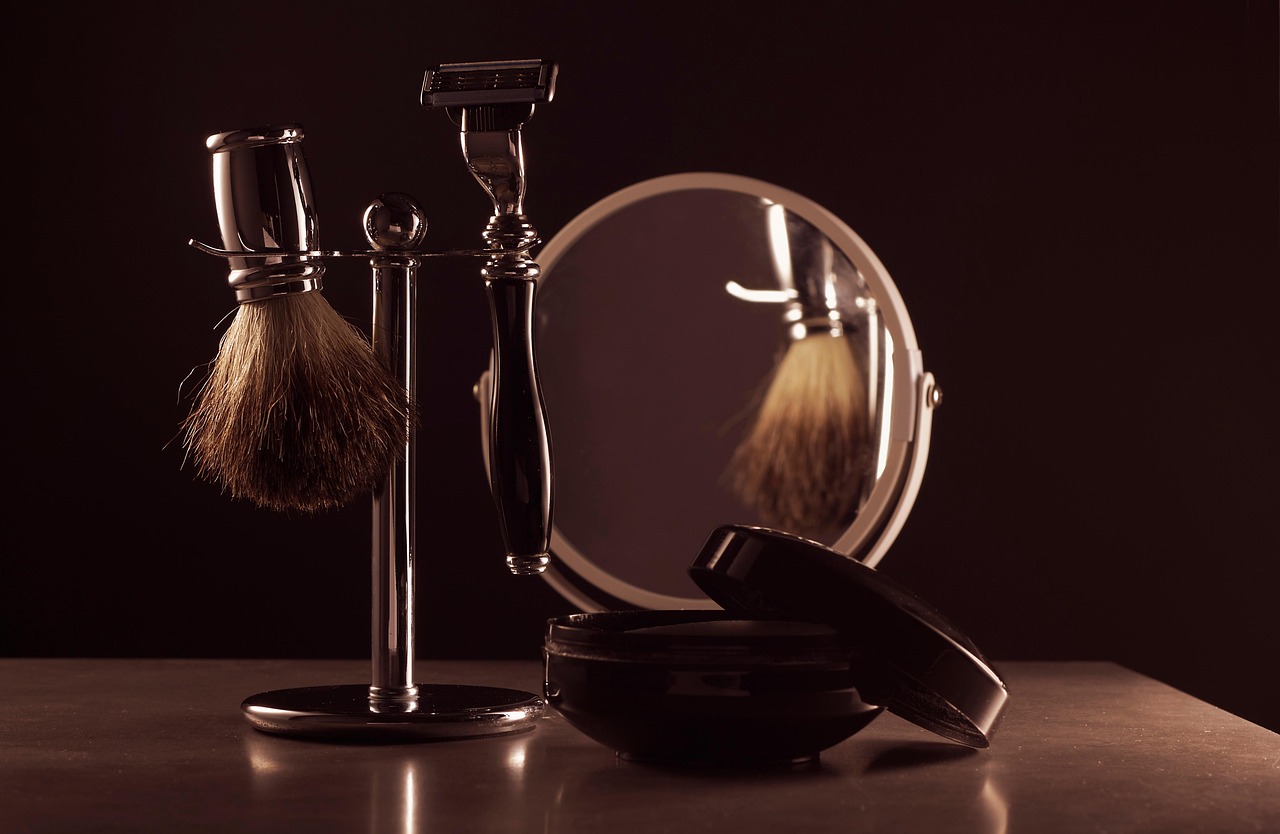
- Shaving brush: Badger, boar, or synthetic brushes build better lather and provide gentle exfoliation
- Quality shaving soap or cream: Products with natural ingredients protect and nourish skin while providing excellent lubrication
- Pre-shave oil: Adds extra protection for sensitive skin or coarse hair
- Aftershave balm: Soothes, hydrates, and protects freshly shaved skin
- Alum block: Natural antiseptic that treats minor cuts and reduces irritation
The Patient Path to Perfection 🎖️
Mastering the art of shaving isn’t an overnight achievement—it’s a skill developed through practice, patience, and attention to detail. Your first attempts with new techniques or tools might not deliver perfect results, and that’s completely normal.
Give yourself permission to experiment and learn. Pay attention to how your skin responds to different approaches, products, and tools. Keep mental notes about what works and what doesn’t. Your shaving routine should evolve based on this feedback, becoming increasingly personalized and effective over time.
Remember that skin conditions change with seasons, stress levels, diet, and age. What works perfectly in summer might need adjustment in winter. Remain flexible and willing to adapt your approach as circumstances change.
Creating Your Personalized Shaving Ritual
The most successful shavers view their routine not as a chore but as a mindful ritual—a few minutes of self-care that starts the day positively. This mindset shift transforms the experience from something rushed and stressful into something enjoyable and meditative.
Dedicate adequate time to the process. Rushing increases mistakes and reduces results quality. Most proper shaves require 10-15 minutes once you’ve developed proficiency. This isn’t wasted time—it’s an investment in your appearance, comfort, and wellbeing.
Create an environment that enhances the experience. Good lighting helps you see clearly and work precisely. Comfortable temperature prevents rushing. Perhaps play music or podcasts that make the time pleasant. These small touches make your shaving routine something you look forward to rather than endure.
Advanced Considerations for the Committed Shaver
Once you’ve mastered the basics, several advanced strategies can further optimize your results and experience.
Blade Exploration and Matching
Different blade brands vary significantly in sharpness, smoothness, and coating quality. What works wonderfully for one person might feel harsh to another. Purchase variety packs and systematically test different brands to find your ideal match.
Keep notes about each blade’s performance—closeness, comfort, and longevity. This experimentation phase requires patience but ultimately leads to substantially better results tailored specifically to your hair and skin characteristics.
Seasonal Adjustments 🌤️
Your skin’s needs change throughout the year. Winter’s dry air and indoor heating can leave skin dehydrated and more sensitive. Summer’s heat and humidity affect oil production and may require lighter products. Adjust your routine seasonally for consistently optimal results.
In winter, emphasize hydrating products and consider adding facial oils to your post-shave routine. In summer, lighter lotions and products with cooling ingredients like menthol provide comfort without heaviness.
Embracing the Journey to Shaving Excellence
The difference between a mediocre shave and an excellent one lies not in expensive products or complicated techniques but in understanding fundamentals and executing them consistently. The knowledge you’ve gained about grain direction, preparation, multi-pass technique, and post-shave care provides everything needed for consistently superior results.
Start implementing these strategies gradually rather than changing everything simultaneously. Master one element before adding another. Perhaps begin with improved preparation and grain mapping, then progress to multi-pass technique, and finally refine your tool selection and post-shave care.
Every face is unique, and every shaver’s journey differs. What matters most is continuous improvement and finding what works specifically for you. The smooth, irritation-free results you’re seeking are absolutely achievable with patience, practice, and proper technique. Your face—and your confidence—will thank you for the effort invested in mastering this essential grooming skill. 🪒