Achieving smooth, bump-free skin after shaving is a common goal that often feels frustratingly out of reach. Whether you’re dealing with irritation on your face, legs, bikini line, or other areas, understanding the science behind razor bumps can transform your grooming routine forever.

Razor bumps, medically known as pseudofolliculitis barbae, affect millions of people worldwide regardless of gender or skin type. These uncomfortable, unsightly bumps develop when hair curls back into the skin after shaving, causing inflammation, redness, and sometimes even infection. The good news? With the right techniques and knowledge, you can prevent them entirely and enjoy consistently smooth results.
Understanding the Science Behind Razor Bumps 🔬
Before diving into prevention strategies, it’s essential to understand what causes razor bumps in the first place. When you shave, you’re cutting hair at an angle, creating a sharp point at the end of each strand. For people with curly or coarse hair, these pointed ends can easily curl back and pierce the skin as they grow, triggering an inflammatory response.
The body treats these ingrown hairs as foreign invaders, sending white blood cells to the area and creating those telltale red, raised bumps. This reaction can be particularly severe in individuals with naturally curved hair follicles, which is why certain ethnic groups experience razor bumps more frequently than others.
Factors that increase your risk of developing razor bumps include:
- Naturally curly or coarse hair texture
- Shaving too closely or against the grain
- Using dull or dirty razor blades
- Dry shaving without proper lubrication
- Applying excessive pressure while shaving
- Skipping pre-shave and post-shave care
- Having sensitive or acne-prone skin
Pre-Shave Preparation: The Foundation of Smooth Skin ✨
The secret to preventing razor bumps begins long before the blade touches your skin. Proper preparation softens hair, opens pores, and creates an ideal surface for a comfortable shave. Think of pre-shave preparation as priming a canvas before painting—it makes all the difference in the final result.
Exfoliation: Your First Line of Defense
Exfoliating 24 hours before shaving removes dead skin cells that can trap hairs and cause them to grow inward. Use a gentle physical exfoliant with fine particles or a chemical exfoliant containing salicylic acid or glycolic acid. This step not only prevents ingrown hairs but also allows for a closer, more even shave by lifting hairs away from the skin.
For facial shaving, use a soft-bristled brush or a gentle facial scrub. For body areas, consider a loofah, exfoliating gloves, or a body scrub with natural ingredients. Avoid over-exfoliating, which can irritate skin and make it more susceptible to razor burn.
Hydration and Softening Techniques
Shaving after a warm shower is ideal because the steam and heat soften hair follicles, making them easier to cut cleanly. If you can’t shower beforehand, apply a warm, damp towel to the area you plan to shave for three to five minutes. This simple step can dramatically reduce the risk of razor bumps.
For facial hair, consider using a pre-shave oil that creates a protective barrier between your skin and the razor while further softening whiskers. These oils typically contain ingredients like jojoba, argan, or coconut oil that nourish skin while improving razor glide.
Choosing the Right Tools for the Job 🪒
Not all razors are created equal, and selecting the appropriate shaving tools can make the difference between smooth skin and irritated bumps. Your choice should depend on your hair type, skin sensitivity, and personal preferences.
Blade Quality and Replacement Schedule
Dull blades are one of the primary causes of razor bumps because they tug at hairs instead of cutting them cleanly. This pulling action increases inflammation and creates jagged hair ends that are more likely to curl back into skin. Replace disposable razors after five to seven uses, or cartridge blades every five to ten shaves, depending on hair coarseness and shaving frequency.
Invest in high-quality razors with multiple blades and flexible heads that contour to your body’s curves. While more blades don’t always equal a better shave, they can distribute pressure more evenly and reduce the number of passes needed.
Single Blade vs. Multi-Blade Razors
Interestingly, some dermatologists recommend single-blade razors for people prone to razor bumps. Multi-blade razors can sometimes shave too closely, with the first blade pulling hair up and subsequent blades cutting below the skin surface. This can increase the likelihood of ingrown hairs as the hair retracts beneath the skin line.
Safety razors and straight razors offer excellent control and can provide a close shave without the problems associated with multi-blade cartridges. However, they require more skill and practice to use effectively.
Mastering the Perfect Shaving Technique 💎
Even with the best tools and preparation, improper shaving technique can still result in razor bumps. The following guidelines will help you achieve consistently smooth results while minimizing irritation.
The Direction Dilemma: With or Against the Grain?
One of the most debated aspects of shaving is whether to shave with the grain (in the direction of hair growth) or against it. For preventing razor bumps, dermatologists almost universally recommend shaving with or across the grain rather than against it.
Shaving against the grain provides the closest shave but significantly increases the risk of ingrown hairs and irritation. Start by shaving with the grain, then, if needed, make a second pass across the grain for additional closeness. Reserve against-the-grain shaving only for areas where you absolutely need the smoothest result and don’t typically experience problems.
Pressure, Speed, and Stroke Length
Apply minimal pressure when shaving—let the razor’s weight do the work. Pressing too hard can cause razor burn, nicks, and increase the likelihood of cutting hairs below the skin surface. Use short, gentle strokes rather than long sweeps, rinsing the blade frequently to prevent clogging.
Take your time. Rushing through a shave is a recipe for irritation and missed spots that require additional passes. Each extra pass over the same area increases inflammation risk, so aim to shave each section only once or twice.
The Importance of Proper Lubrication
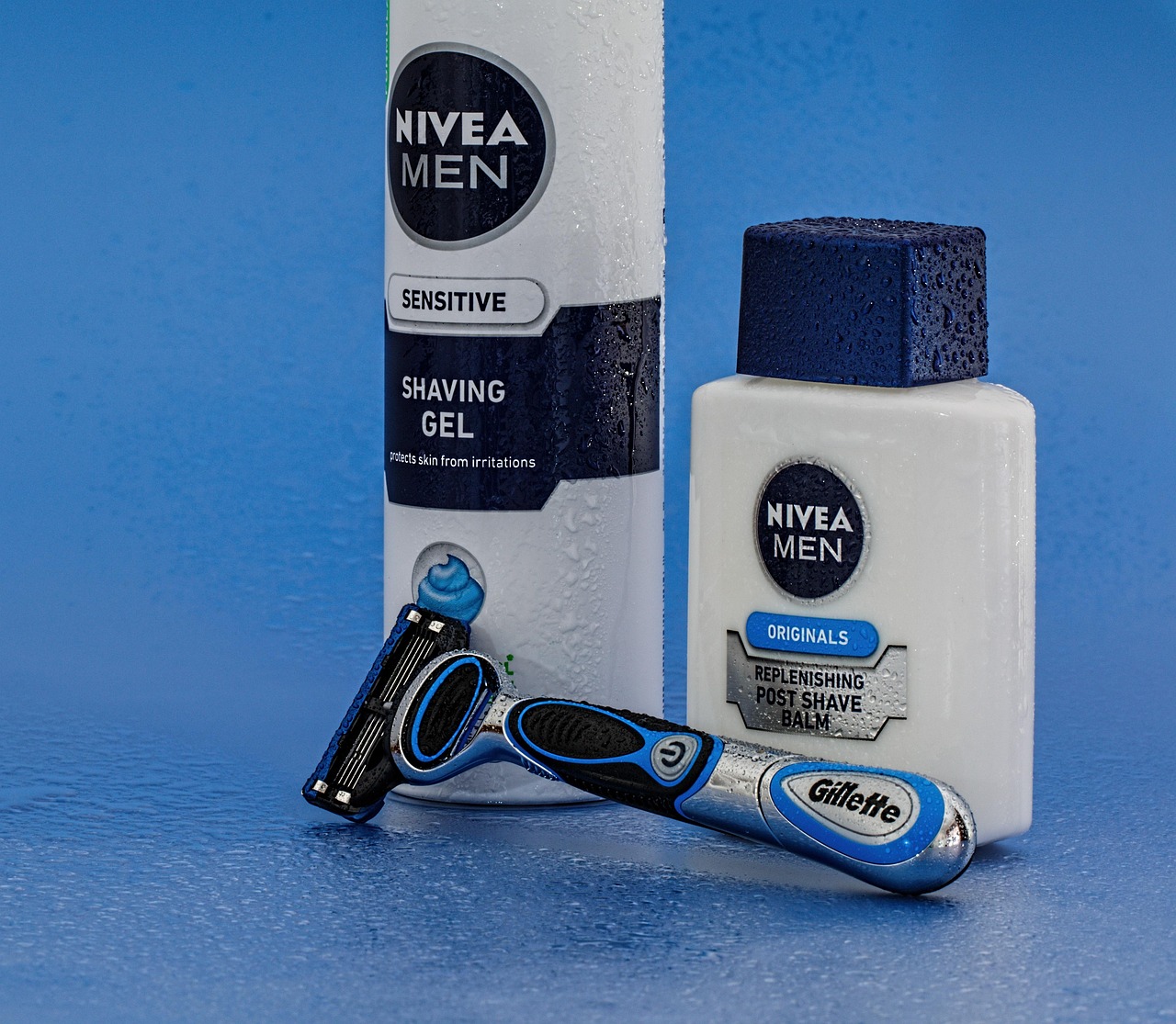
Never shave dry skin or use plain soap as lubrication. Quality shaving cream, gel, or foam creates a protective cushion between the blade and your skin while providing slip that allows the razor to glide smoothly. Look for products containing moisturizing ingredients like aloe vera, shea butter, or vitamin E.
For sensitive skin, choose fragrance-free formulas designed for sensitive skin types. Some people find that transparent shaving gels work better than opaque foams because they allow you to see exactly where you’re shaving.
Post-Shave Care: Sealing in Smoothness 🌟
What you do immediately after shaving is just as important as the shave itself. Proper post-shave care soothes skin, prevents infection, and creates an environment where hair can grow out properly without becoming ingrown.
Cooling and Calming Irritated Skin
Rinse the shaved area thoroughly with cool water to close pores and remove any remaining shaving product or loose hairs. Cool water also helps reduce inflammation and provides immediate soothing relief. Pat skin dry gently with a clean towel—never rub, which can cause irritation.
Apply an alcohol-free aftershave or toner containing witch hazel, aloe vera, or tea tree oil. These ingredients have natural antibacterial and anti-inflammatory properties that prevent infection while calming redness. Avoid alcohol-based products that can dry out skin and cause stinging.
Moisturizing and Protecting
Follow up with a fragrance-free moisturizer to hydrate skin and strengthen its protective barrier. Look for non-comedogenic formulas that won’t clog pores, especially important for facial shaving or if you’re acne-prone. Ingredients like ceramides, hyaluronic acid, and niacinamide provide excellent hydration without heaviness.
For areas prone to friction (like the bikini line or inner thighs), consider using an anti-chafing balm or powder to reduce irritation from clothing throughout the day.
Targeted Solutions for Problem Areas 🎯
Different body areas present unique shaving challenges and may require specialized approaches to prevent razor bumps effectively.
Face and Neck
Facial hair, especially on the neck, grows in multiple directions, making it challenging to shave with the grain. Map your hair growth pattern by running your hand over your face when you haven’t shaved for a day or two. Shave each section according to its specific growth direction.
The neck area is particularly sensitive and prone to razor bumps. Use extra caution here, apply additional lubrication, and consider stopping at a with-the-grain pass only, even if it means slightly less closeness.
Bikini Line and Intimate Areas
The bikini area requires special attention due to sensitive skin and coarse, curly hair that’s highly prone to becoming ingrown. Trim hair to a shorter length before shaving to reduce tugging. Use a fresh, sharp razor exclusively for this area, and consider using a mirror for better visibility.
Wear loose, breathable cotton underwear immediately after shaving to minimize friction and allow skin to breathe. Avoid tight clothing or intense exercise for 24 hours following a bikini shave.
Legs and Underarms
These areas typically tolerate shaving better than others but can still develop bumps, especially around the ankles and knee caps where skin is thinner and bones closer to the surface. Take extra care around these bony areas, stretching skin taut and using short strokes.
For underarms, shave in multiple directions as hair grows in various patterns. Hold your arm up and stretch the skin to create a flatter surface that’s easier to navigate.
When Razor Bumps Appear: Treatment Strategies 💊
Despite your best prevention efforts, razor bumps may occasionally occur. Quick intervention can minimize their severity and duration.
Immediate Response
Apply a cold compress to reduce inflammation and soothe discomfort. Over-the-counter hydrocortisone cream can help reduce redness and itching, while products containing salicylic acid or benzoyl peroxide can prevent infection and help bumps resolve faster.
Resist the temptation to pick, scratch, or squeeze razor bumps, which can introduce bacteria, cause scarring, and worsen inflammation. If you can see an ingrown hair loop, you can carefully lift it with sterilized tweezers, but don’t pluck it completely out.
Long-Term Treatment
For persistent razor bumps, consider using products containing glycolic acid, lactic acid, or retinoids that promote cell turnover and prevent hairs from becoming trapped. These treatments work best when applied consistently as part of your daily skincare routine.
If razor bumps become infected, indicated by pus, increasing pain, or spreading redness, consult a dermatologist. They may prescribe topical or oral antibiotics to clear the infection.
Alternative Hair Removal Methods to Consider 🌿
If you consistently struggle with razor bumps despite following all prevention strategies, exploring alternative hair removal methods might provide better results.
Electric trimmers or clippers cut hair slightly above the skin surface, significantly reducing ingrown hair risk while still providing neat, groomed results. They’re particularly effective for facial hair and sensitive areas.
Depilatory creams dissolve hair at the skin surface using chemicals, avoiding the sharp cut edge that causes ingrown hairs. However, these products can irritate sensitive skin, so always perform a patch test first.
Laser hair removal and electrolysis offer permanent or long-lasting solutions by destroying hair follicles. While more expensive upfront, these methods can be cost-effective over time and completely eliminate razor bump concerns in treated areas.
Building Your Personal Anti-Bump Routine 📋
Creating a consistent routine tailored to your specific skin type and hair texture is the key to long-term success in preventing razor bumps.
| Timing | Action | Products/Tools |
|---|---|---|
| 24 hours before | Gentle exfoliation | Chemical or physical exfoliant |
| Immediately before | Warm shower or compress | Pre-shave oil (optional) |
| During shaving | Apply quality lubrication, shave with grain | Sharp razor, shaving cream/gel |
| Immediately after | Cool rinse, apply aftershave | Alcohol-free toner or aftershave |
| Post-shave care | Moisturize generously | Fragrance-free moisturizer |
| Daily maintenance | Keep skin moisturized and exfoliated | Body lotion with AHA/BHA |
Professional Guidance: When to Seek Expert Help 👨⚕️
While most cases of razor bumps can be prevented and treated at home, certain situations warrant professional consultation. If you experience severe, persistent razor bumps that don’t improve with proper technique, recurring infections, significant scarring, or keloid formation, a dermatologist can provide prescription-strength treatments and alternative solutions.
Dermatologists can prescribe topical retinoids, prescription-strength chemical exfoliants, or antibiotic creams that may work better than over-the-counter options. They can also evaluate whether an underlying skin condition like folliculitis or pseudofolliculitis barbae requires specialized treatment.
Embracing Your Smoothest Skin Yet 🌈
Achieving consistently smooth, bump-free skin after shaving isn’t about finding one magic product or technique—it’s about understanding your unique skin and hair characteristics, then building a comprehensive routine that addresses every stage of the shaving process. From pre-shave preparation through post-shave care, each step plays a vital role in preventing irritation and ingrown hairs.
Remember that changes won’t happen overnight. Give your skin time to adjust to new products and techniques, typically at least two to three weeks, before deciding whether they’re working. Be patient with yourself as you experiment to find the perfect combination for your needs.
By implementing the expert strategies outlined in this guide—proper preparation, quality tools, correct technique, and diligent aftercare—you can transform your shaving experience from a dreaded chore into a self-care ritual that leaves you feeling confident and comfortable in your skin. The journey to smooth, bump-free skin is entirely achievable with knowledge, consistency, and the right approach tailored to your unique needs.