Have you ever woken up to find your once-smooth skin feeling tight, flaky, and uncomfortably dry without any obvious explanation?

Sudden skin dryness can appear seemingly out of nowhere, transforming your complexion overnight and leaving you searching for answers. While we often blame seasonal changes or aging, the reality is that countless everyday factors silently sabotage our skin’s natural moisture barrier. Understanding these hidden culprits and discovering natural solutions can help you reclaim your skin’s healthy, hydrated glow without resorting to harsh chemicals or expensive treatments.
🚿 The Hidden Danger Lurking in Your Daily Shower
Your morning shower ritual might be the primary offender behind your sudden skin dryness. Hot water strips away the natural oils that protect your skin’s moisture barrier, leaving it vulnerable and dehydrated. The hotter the water and the longer you stay under the stream, the more damage occurs to your skin’s protective lipid layer.
Additionally, many conventional soaps and body washes contain sulfates and harsh detergents designed to create luxurious lather but simultaneously remove essential oils from your skin. These cleansing agents disrupt the skin’s pH balance, compromising its ability to retain moisture throughout the day.
The chlorine and minerals present in tap water further exacerbate the problem, especially in areas with hard water. These substances leave residue on your skin that interferes with proper hydration and can trigger inflammation in sensitive individuals.
Natural Solutions for Shower-Related Dryness
Switch to lukewarm water instead of hot showers, limiting your bathing time to 5-10 minutes maximum. This simple adjustment allows your skin to maintain its natural protective oils while still getting clean.
Choose gentle, sulfate-free cleansers with moisturizing ingredients like glycerin, hyaluronic acid, or natural oils. Look for products specifically labeled as “pH-balanced” or “moisture-retaining” to support your skin’s natural barrier function.
Consider installing a shower filter to remove chlorine and mineral deposits from your water supply. This investment pays dividends for both your skin and hair health over time.
❄️ Indoor Heating Systems: The Silent Moisture Thief
Central heating and space heaters create a comfortable indoor environment during cold months, but they simultaneously reduce humidity levels dramatically. This dry indoor air constantly pulls moisture from your skin, creating a cycle of dehydration that skincare products alone cannot combat.
The contrast between cold outdoor air and heated indoor spaces further stresses your skin, forcing it to constantly adapt to extreme environmental changes. This temperature fluctuation weakens the skin barrier, making it less effective at retaining natural moisture.
Air conditioning systems produce similar effects during warmer months, creating year-round challenges for maintaining properly hydrated skin. Many people experience worsening dryness without realizing their climate control systems are the underlying cause.
Humidity-Restoring Strategies That Work
Invest in a quality humidifier for your bedroom and main living spaces, maintaining indoor humidity levels between 40-50%. This range provides optimal comfort while supporting skin hydration without promoting mold growth.
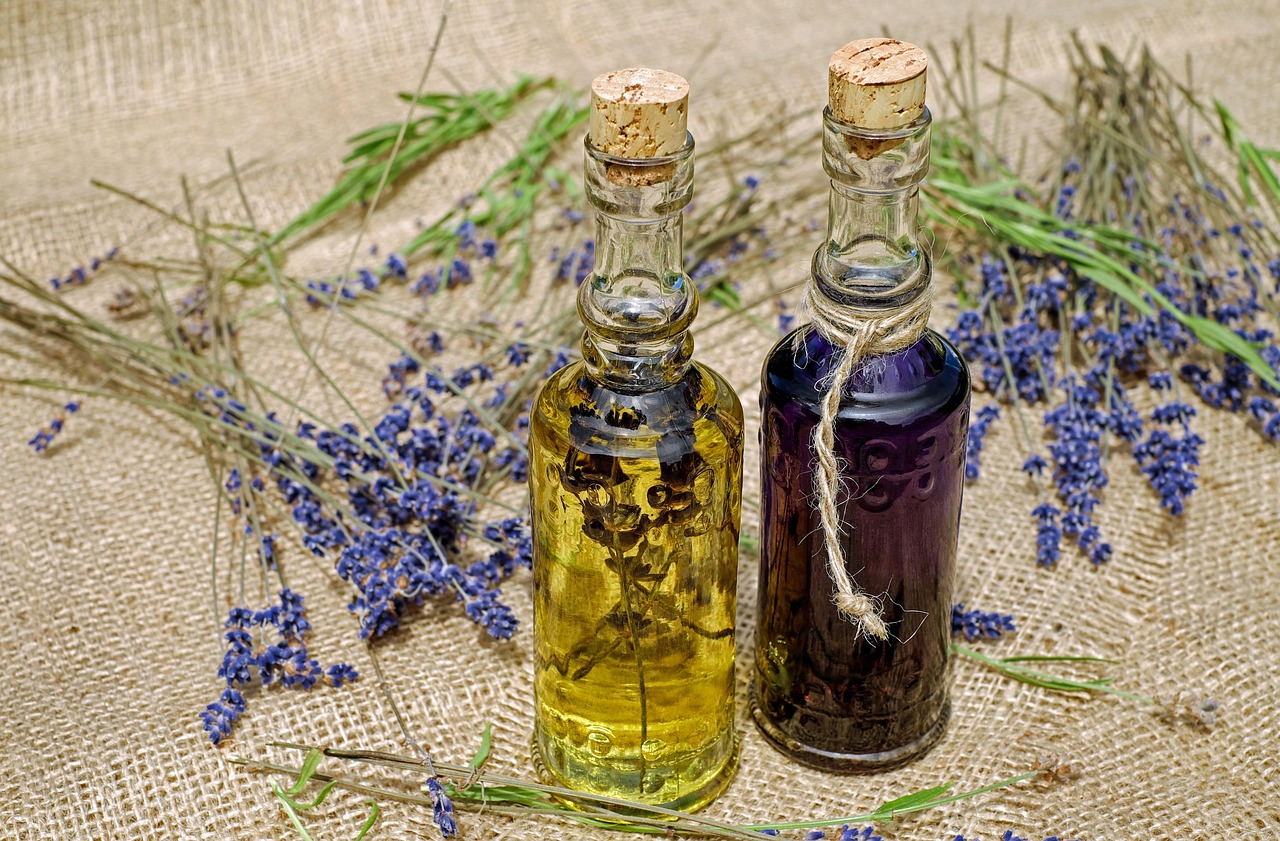
Place bowls of water near heating vents or radiators as a low-tech solution to increase ambient moisture. Adding a few drops of essential oils like lavender or eucalyptus provides aromatherapy benefits alongside humidity enhancement.
Keep houseplants throughout your living space, as they naturally release moisture through transpiration while simultaneously purifying indoor air. Snake plants, peace lilies, and Boston ferns are particularly effective humidity boosters.
🧴 Skincare Product Overload and Ingredient Conflicts
Ironically, the products designed to improve your skin might be causing unexpected dryness. Overusing active ingredients like retinoids, alpha-hydroxy acids, benzoyl peroxide, or vitamin C can compromise your moisture barrier, especially when multiple products are layered without proper knowledge.
Alcohol-based toners, astringents, and mattifying products strip away natural oils, leaving skin vulnerable to transepidermal water loss. Many people mistakenly believe that oily or combination skin doesn’t need moisturization, creating a dehydration paradox where the skin produces more oil to compensate for dryness.
Fragrance ingredients, both synthetic and natural, can trigger inflammatory responses that disrupt normal skin function. Even products marketed as “natural” or “organic” may contain essential oils that cause sensitivity and dryness in susceptible individuals.
Building a Gentle, Effective Skincare Routine
Simplify your routine by focusing on gentle cleansing, adequate hydration, and proper barrier protection. Less is often more when it comes to maintaining healthy skin moisture levels.
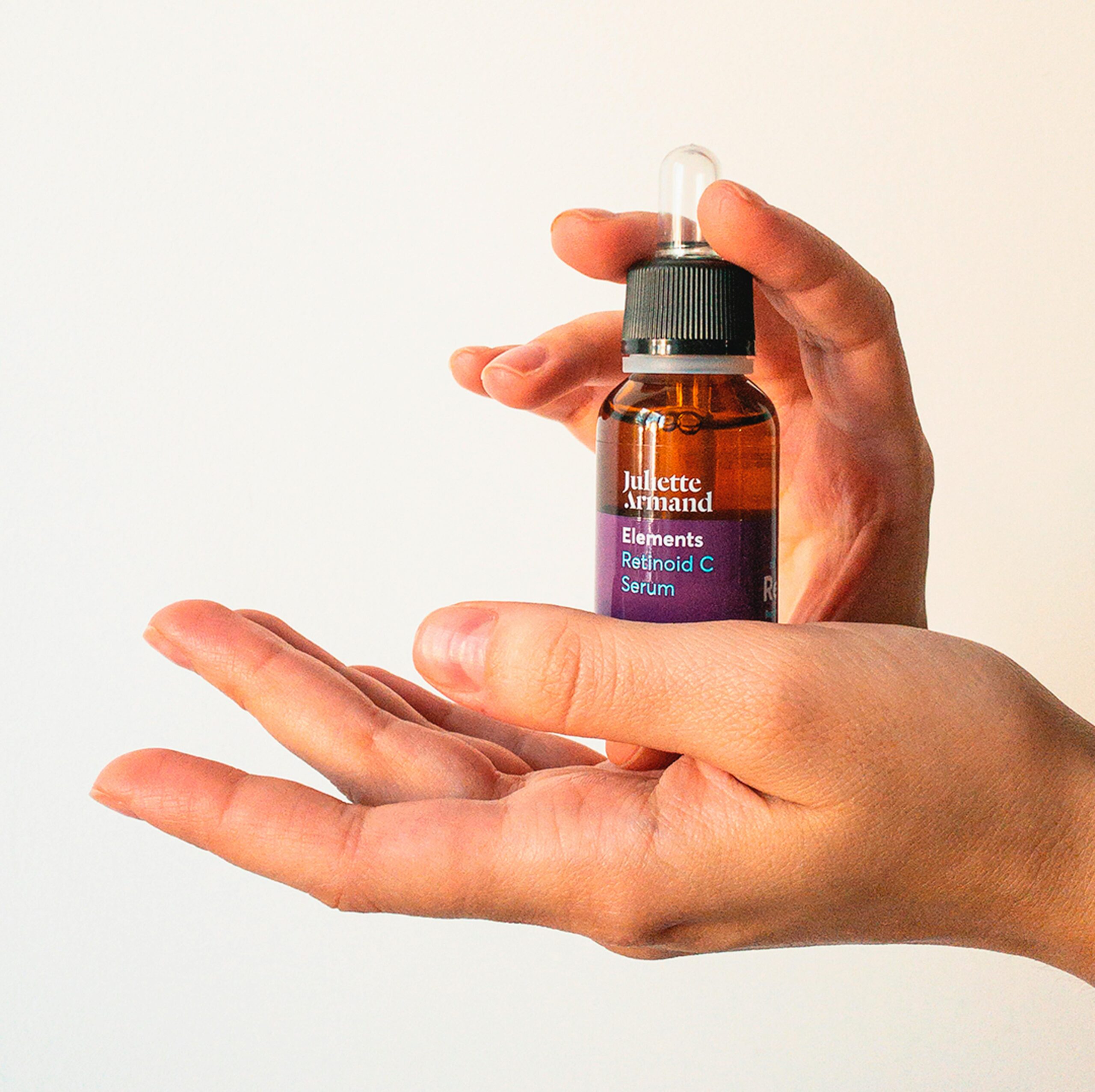
Introduce active ingredients gradually, using them only a few times per week initially while monitoring your skin’s response. Always follow exfoliating or treatment products with a hydrating serum and occlusive moisturizer to seal in moisture.
Choose fragrance-free formulations whenever possible, especially for leave-on products like moisturizers and serums. Read ingredient labels carefully, looking for nourishing components like ceramides, hyaluronic acid, niacinamide, and natural plant oils.
☕ Dietary Factors That Dehydrate From Within
Your skin’s hydration status reflects your internal water balance, making dietary habits crucial for maintaining moisture. Excessive caffeine consumption acts as a diuretic, increasing fluid loss through urination and potentially leaving your skin dehydrated.
High sodium intake causes water retention in some areas while paradoxically dehydrating skin tissue. Processed foods typically contain elevated salt levels alongside inflammatory ingredients that compromise skin barrier function.
Insufficient healthy fat intake deprives your skin of essential building blocks for maintaining its protective lipid layer. Without adequate omega-3 fatty acids and other beneficial fats, your skin cannot produce the oils necessary for proper hydration retention.
Nutrition Strategies for Hydrated Skin
Increase your water intake throughout the day, aiming for at least eight glasses or more depending on your activity level and climate. Herbal teas and water-rich fruits count toward your daily hydration goals.
Incorporate omega-3 rich foods like wild-caught salmon, walnuts, flaxseeds, and chia seeds into your regular meal rotation. These healthy fats support skin barrier function from the inside out.
Consume plenty of antioxidant-rich fruits and vegetables, particularly those high in vitamins A, C, and E. Sweet potatoes, berries, leafy greens, and bell peppers provide nutrients essential for skin health and moisture retention.
🧺 Laundry Products and Fabric Choices
The detergents, fabric softeners, and dryer sheets you use to clean your clothes, towels, and bedding can transfer irritating residues onto your skin. These residues may trigger inflammatory responses that compromise your skin’s natural moisture barrier throughout the day and night.
Synthetic fabrics like polyester and acrylic don’t breathe well, trapping heat and moisture against your skin in ways that disrupt normal hydration balance. These materials can also create friction that damages the skin’s outer protective layer.
Harsh fabric textures, particularly in towels and washcloths, can cause micro-abrasions that compromise skin integrity. Rough drying techniques further exacerbate this mechanical damage, leaving skin vulnerable to moisture loss.
Fabric and Laundry Solutions for Sensitive Skin
Switch to fragrance-free, hypoallergenic laundry detergents specifically formulated for sensitive skin. Skip fabric softeners and dryer sheets entirely, as these products leave the most residue on fabrics.
Choose natural fiber clothing and bedding made from cotton, bamboo, or silk whenever possible. These materials allow proper air circulation while remaining gentle against your skin.
Pat your skin dry gently with soft towels rather than rubbing vigorously. Consider investing in microfiber or bamboo towels specifically designed for sensitive or dry skin.
💊 Medications and Medical Conditions
Numerous common medications list skin dryness as a side effect, including diuretics, antihistamines, acne treatments, cholesterol medications, and blood pressure drugs. These substances alter your body’s fluid balance or directly affect skin cell turnover and oil production.
Underlying medical conditions like hypothyroidism, diabetes, eczema, and psoriasis frequently manifest as skin dryness before other symptoms become apparent. Hormonal fluctuations during pregnancy, menopause, or due to contraceptive use can also dramatically impact skin hydration.
Nutritional deficiencies, particularly in essential fatty acids, vitamin D, zinc, and B vitamins, compromise your skin’s ability to maintain proper moisture levels. These deficiencies often develop gradually, making the connection to sudden skin changes less obvious.
Working With Your Healthcare Provider
Discuss any sudden skin changes with your doctor, especially if they coincide with starting new medications. Alternative prescriptions or dosage adjustments may resolve the issue without compromising your treatment.
Request comprehensive blood work to identify potential nutrient deficiencies or hormonal imbalances affecting your skin. Addressing these underlying issues often resolves skin dryness more effectively than topical treatments alone.
Consider working with a dermatologist if over-the-counter solutions and lifestyle changes don’t improve your condition within a few weeks. Professional guidance helps distinguish between simple dryness and more complex skin conditions requiring specialized treatment.
🌿 Powerful Natural Remedies That Actually Work
Nature provides countless ingredients with proven moisturizing and skin-barrier-supporting properties. These natural solutions often work as effectively as commercial products without the harsh chemicals or potential side effects.
Aloe vera gel contains polysaccharides and glycoproteins that promote skin healing while providing intense hydration. Apply pure aloe vera gel directly from the plant or choose high-quality commercial preparations with minimal additives.
Natural plant oils like jojoba, argan, rosehip, and squalane closely mimic your skin’s natural sebum, providing moisture without clogging pores. These oils can be used alone or mixed with other ingredients for customized skincare solutions.
DIY Natural Moisture Treatments
Create a simple hydrating face mask by mixing mashed avocado with honey and a few drops of olive oil. Apply to clean skin for 15-20 minutes before rinsing with lukewarm water for instant softness and hydration.
Make a nourishing body oil by combining equal parts jojoba oil and sweet almond oil with a few drops of your favorite essential oil for fragrance. Apply to slightly damp skin immediately after showering to seal in moisture.
Prepare an oatmeal bath by grinding plain oats into a fine powder and adding to warm bathwater. Soak for 15-20 minutes to soothe dry, irritated skin while restoring moisture balance naturally.
🌙 The Overnight Hydration Strategy
Your skin undergoes critical repair and regeneration processes during sleep, making nighttime the optimal period for intensive moisture treatment. Taking advantage of these natural cycles amplifies the effectiveness of your hydration efforts.
During sleep, your skin’s permeability increases, allowing better absorption of moisturizing ingredients. Simultaneously, transepidermal water loss accelerates, making nighttime protection crucial for preventing dehydration.
Creating an optimal sleep environment supports both overall health and skin hydration. Temperature, humidity, and bedding choices all influence your skin’s moisture retention capacity overnight.
Maximizing Nighttime Skin Hydration
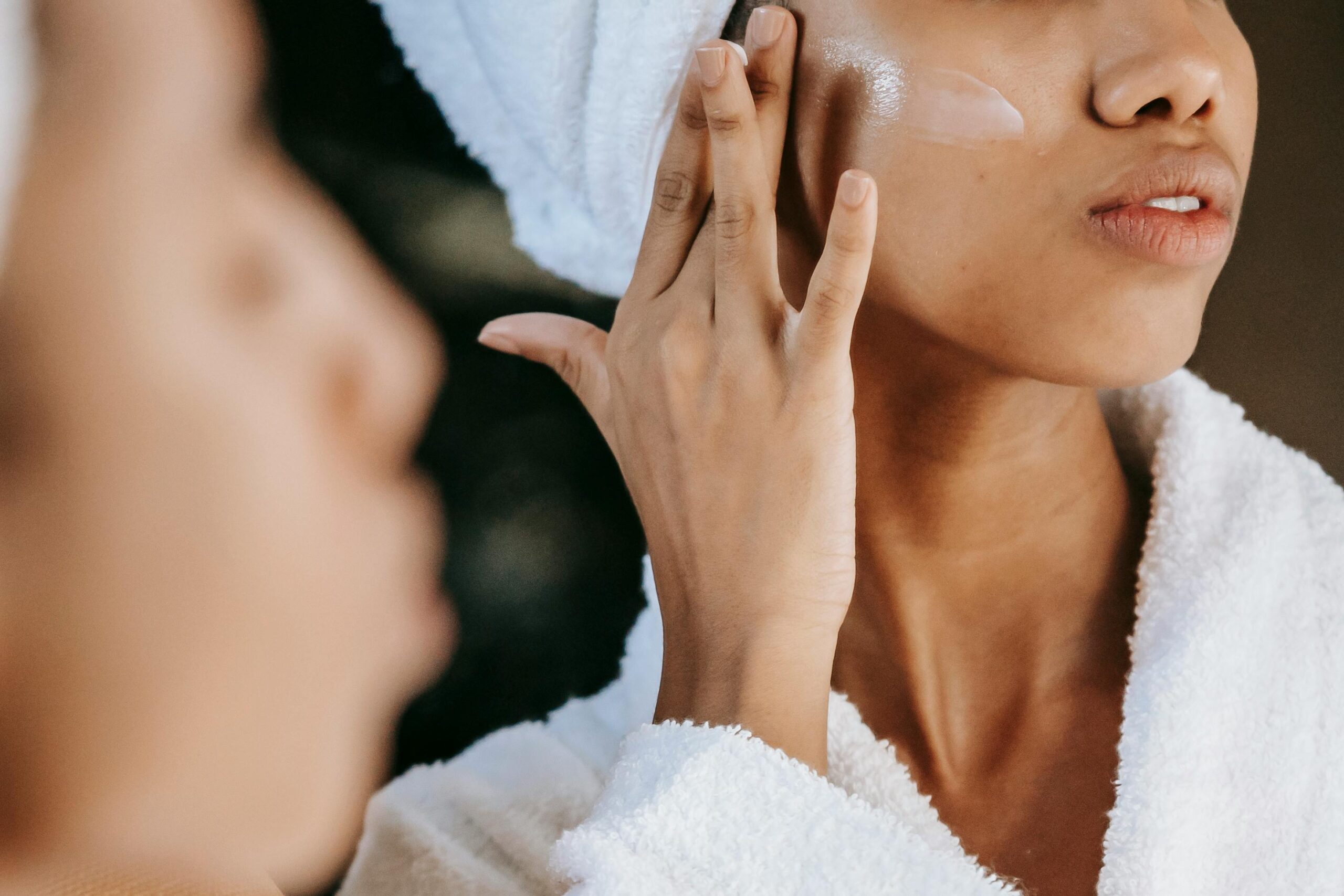
Apply a rich, occlusive moisturizer or facial oil as the final step in your evening routine to create a protective seal over previous hydration layers. Products containing ceramides, hyaluronic acid, and peptides work particularly well overnight.
Use a humidifier in your bedroom throughout the night to maintain optimal moisture levels in the air. This prevents your skin from losing excessive water while you sleep.
Sleep on silk or satin pillowcases to reduce friction against your skin and hair. These smooth fabrics help your skin retain moisture while preventing the formation of sleep lines and wrinkles.
🏃 Exercise and Sweat-Related Dryness
Physical activity benefits overall health but creates unique challenges for skin hydration. Sweat evaporation draws moisture from your skin, while frequent showering after workouts multiplies the drying effects discussed earlier.
Chlorinated pool water causes particularly severe dryness, stripping away natural oils while leaving harsh chemical residues. Similarly, exercising in air-conditioned gyms or cold outdoor air exposes your skin to dehydrating environmental conditions.
Many athletic individuals don’t adequately replenish fluids lost through sweating, creating internal dehydration that manifests in dry, dull skin. This issue intensifies during intense training periods or in hot climates.
Protecting Your Skin During Active Lifestyles
Hydrate thoroughly before, during, and after exercise, drinking more water than you think necessary to compensate for sweat losses. Add electrolyte solutions during particularly intense or prolonged workouts.
Rinse off quickly after workouts with lukewarm water, using minimal cleanser only where needed. Apply moisturizer to slightly damp skin immediately after your post-workout shower to maximize absorption.
Protect your skin with a barrier cream before swimming in chlorinated pools, and rinse thoroughly afterward. Consider wearing protective clothing during outdoor exercise in extreme weather conditions.
🌸 Seasonal Transitions and Environmental Stress
Your skin requires different care strategies as seasons change and environmental conditions fluctuate. The sudden shift from humid summer air to dry winter heating catches many people unprepared, resulting in acute dryness episodes.
Seasonal allergies trigger inflammatory responses that compromise skin barrier function, even in people without obvious allergy symptoms. This inflammation increases moisture loss while reducing the skin’s ability to repair itself effectively.
Environmental pollutants, including particulate matter, ozone, and free radicals, damage skin cells and deplete natural antioxidants. This oxidative stress accelerates skin aging while impairing normal moisture retention mechanisms.
Adapting Your Routine to Environmental Changes
Adjust your skincare products seasonally, using lighter formulations during humid months and richer, more occlusive products when environmental conditions become harsh. Your skin’s needs change throughout the year.
Incorporate antioxidant-rich serums containing vitamin C, vitamin E, or green tea extract to protect against environmental damage. These ingredients neutralize free radicals before they compromise your skin barrier.
Create a protective barrier between your skin and harsh environmental elements by applying appropriate moisturizers and, when outdoors, mineral-based sunscreens that also block pollution particles.

🔄 Breaking the Dry Skin Cycle Permanently
Overcoming persistent skin dryness requires addressing multiple factors simultaneously rather than seeking a single magic solution. By implementing comprehensive lifestyle changes, you can restore your skin’s natural hydration capacity and maintain long-term moisture balance.
Consistency matters more than perfection when establishing new skin-healthy habits. Small daily improvements compound over time, gradually rebuilding your damaged moisture barrier and restoring your skin’s resilience.
Remember that visible improvements take time, typically requiring 4-6 weeks of consistent effort before significant changes become apparent. Patience and persistence prove essential for achieving lasting results rather than temporary fixes.
Start by identifying your primary dryness triggers through careful observation and experimentation. Track your skin’s response to different products, environmental conditions, and lifestyle factors to develop personalized solutions that address your unique situation.
Combine internal hydration through proper nutrition and water intake with external protection through gentle cleansing and appropriate moisturization. This inside-out approach provides the most comprehensive support for healthy, hydrated skin.
By understanding these everyday triggers and implementing natural solutions strategically, you can unlock the mystery behind your sudden skin dryness and reclaim the smooth, comfortable, radiant complexion you deserve. Your skin possesses remarkable healing capacity when given the proper support and protection it needs to thrive.