Achieving a flawless complexion isn’t just about choosing the right foundation or investing in expensive skincare. The real secret lies in understanding how your makeup and skincare products work together—or sometimes against each other.

When these two essential beauty routines clash, you’re left with pilling, caking, uneven texture, and makeup that simply won’t stay put. The good news? With the right knowledge and techniques, you can master the art of product compatibility and unlock that coveted radiant glow that lasts all day.
🔬 Understanding the Science Behind Product Compatibility
The chemistry between your skincare and makeup products determines whether you’ll walk out the door looking luminous or patchy. Each product contains specific ingredients with different molecular structures, pH levels, and formulation bases that can either complement or repel each other.
Silicone-based primers, for instance, create a smooth barrier on your skin but don’t play well with water-based foundations. Oil-based serums can break down powder formulations, while certain acids in your skincare can alter the pH of your makeup, affecting its performance and longevity.
Understanding these interactions isn’t about memorizing complex chemistry—it’s about recognizing patterns and learning to read your product labels effectively. The base of your products matters significantly: water, silicone, and oil bases each behave differently when layered.
⏰ Timing Is Everything: The Waiting Game
One of the most overlooked aspects of makeup and skincare compatibility is proper absorption time. Rushing through your routine is a guaranteed way to create product pilling, reduced efficacy, and makeup that slides off within hours.
After cleansing, give your toner at least 30 seconds to absorb before moving to the next step. Serums typically need 1-2 minutes depending on their thickness and active ingredients. Moisturizers require at least 3-5 minutes to fully penetrate the skin barrier, while SPF needs a full 5-10 minutes before makeup application.
This waiting period isn’t wasted time—it’s an investment in your final look. During these intervals, you can brush your teeth, choose your outfit, or simply practice mindfulness. Setting a timer can help you establish this crucial habit until it becomes second nature.
Creating Your Optimal Morning Timeline
Structure your morning routine to accommodate proper absorption times without feeling rushed. Wake up 15-20 minutes earlier than you currently do, and you’ll notice a dramatic difference in how your makeup applies and wears throughout the day.
Begin with your skincare immediately after showering when your skin is most receptive to absorption. While products sink in, complete other grooming tasks. Return to apply makeup only when your skin feels comfortable, not tacky or overly slick.
💧 Matching Product Bases: The Golden Rule
The fundamental principle of product compatibility is simple: like dissolves like. Water-based products layer beautifully with other water-based formulas, while oil-based products work harmoniously with other oils.
Check your product ingredients lists—the first five ingredients typically indicate the base. Terms like “aqua” or “water” signal a water base, while “dimethicone” or other silicones indicate a silicone base. Oils will be clearly listed as various botanical or mineral oils.
When you mix incompatible bases, you create an unstable layer that pills, separates, or prevents proper adhesion. This is why your foundation might ball up when applied over certain moisturizers or why your concealer creases excessively over some eye creams.
Creating Your Compatible Product Wardrobe
You don’t need to replace everything at once. Start by identifying your base products—your foundation and primer—then work backward to ensure your skincare complements these choices. Most people find success building routines around either a silicone or water-based system.
Keep a small notebook or digital note documenting which products work well together. Over time, you’ll develop an intuitive understanding of compatibility and can experiment more confidently with new products.
🌟 The Layering Order That Changes Everything
Beyond matching bases and respecting absorption times, the sequence of application significantly impacts your final results. The universal rule moves from thinnest to thickest consistency, but there are important nuances to consider.
Your skincare should always follow this order: cleanser, toner, essence, serum, eye cream, moisturizer, and SPF. This sequence allows lighter molecules to penetrate first while preventing heavier products from blocking absorption of actives.
For makeup, primer comes first, followed by color corrector if needed, then foundation, concealer, powder products, and finally setting spray. Each layer should be built gradually with thin applications rather than thick, heavy coats that inevitably crack or slide.
Special Considerations for Active Ingredients
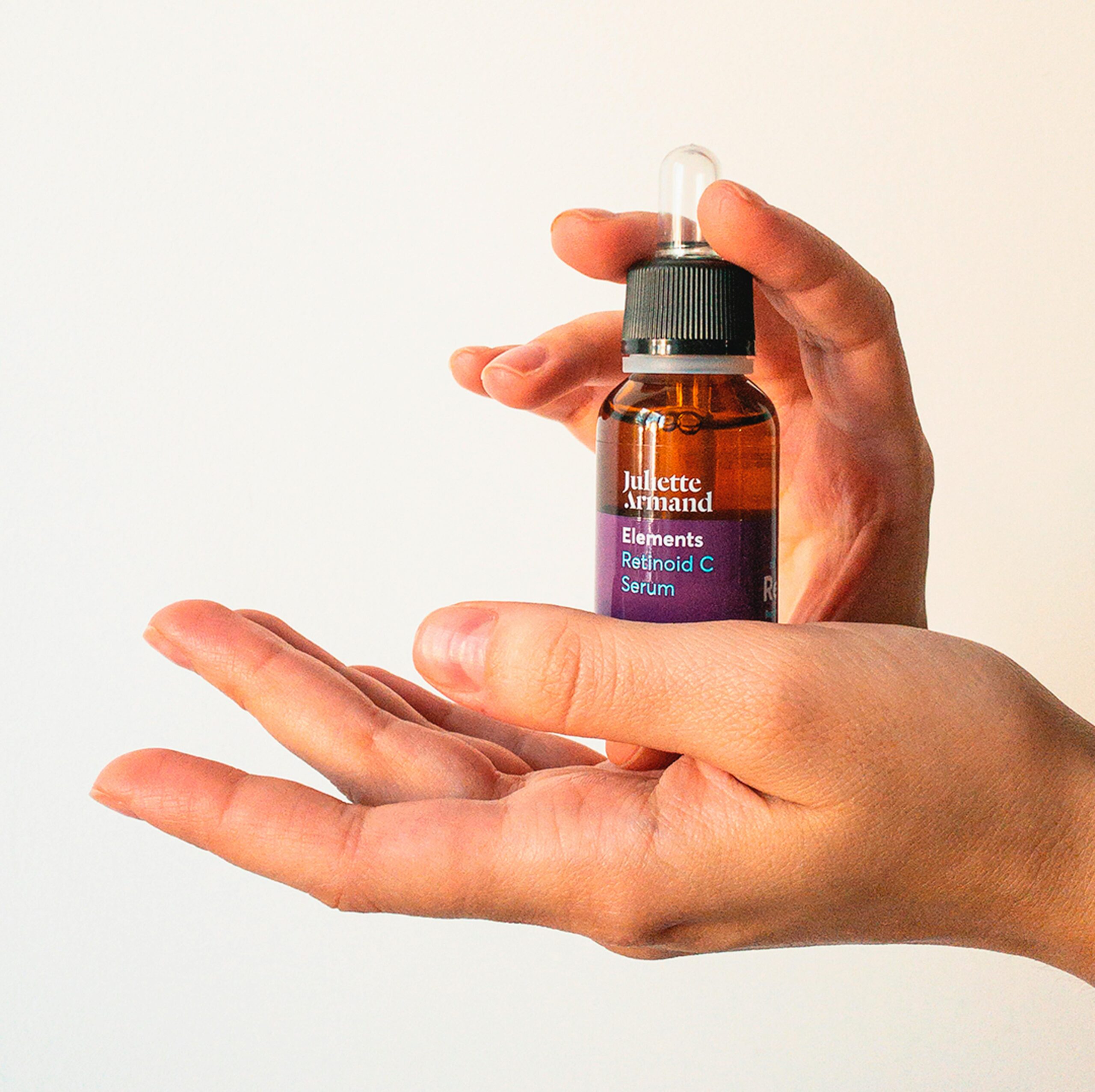
Products containing retinol, vitamin C, AHAs, or BHAs require special attention. These actives can interact with certain makeup ingredients, potentially causing irritation or reducing efficacy. Generally, reserve strong actives for your nighttime routine when they won’t interfere with makeup application.
If you must use actives in the morning, apply them first after cleansing, wait a full 10-15 minutes, then use a buffering moisturizer before sunscreen and makeup. This creates a protective barrier that prevents unwanted interactions while maintaining the benefits of your active ingredients.
🎨 Primer Selection: Your Compatibility Insurance Policy
Primers serve as the crucial bridge between skincare and makeup, but choosing the wrong primer can sabotage even the most carefully coordinated routine. Not all primers are created equal, and your selection should depend on both your skin type and your foundation formula.
Silicone-based primers create an incredibly smooth canvas and work beautifully with silicone-based foundations, offering superior longevity and a blurred appearance. However, they can feel heavy on oily skin and may clog pores with prolonged use.
Water-based primers feel lighter and more breathable, making them ideal for sensitive or acne-prone skin. They work best with water-based foundations but may not provide the same smoothing effect as silicone alternatives.
Hydrating primers containing glycerin or hyaluronic acid address dryness while creating a makeup-ready surface. These work well for mature or dehydrated skin types but can make oily skin appear greasy if over-applied.
Troubleshooting Common Primer Problems
If your primer pills when rubbed into skin, you’re either applying too much, not allowing sufficient skincare absorption time, or using incompatible product bases. Reduce the amount, wait longer between steps, or switch to a compatible base formula.
When foundation appears patchy over primer, the issue is typically too much primer in certain areas or insufficient blending. Use a damp beauty sponge to gently press and blend both primer and foundation for seamless results.
💦 Hydration Balance: Neither Desert Nor Swamp
Proper skin hydration is essential for makeup compatibility, but there’s a delicate balance between adequately moisturized and overly slippery skin. Both extremes create application challenges and affect makeup longevity.
Dehydrated skin absorbs makeup unevenly, emphasizing texture, fine lines, and flakiness. Products sit on top rather than melding with skin, creating a mask-like appearance that ages you and appears obvious in photographs.
Conversely, over-moisturized skin creates a slippery surface where makeup slides around during application and breaks down rapidly throughout the day. Foundation oxidizes faster, powder products won’t adhere properly, and you’ll experience significant creasing in expression areas.
Finding Your Personal Hydration Sweet Spot
Your ideal pre-makeup hydration level should leave skin feeling comfortable, plump, and smooth but not tacky or shiny. Press a tissue gently against your face—if it sticks or picks up significant product, you’ve applied too much and should wait longer or blot gently.
Adjust your moisturizer amount seasonally and based on your environment. Winter and air-conditioned spaces require more hydration, while summer and humid climates need less. Listen to your skin and adapt accordingly rather than following the same routine year-round.
🧪 pH Levels: The Invisible Compatibility Factor
The pH of your skincare products affects how well your makeup performs, though this factor rarely gets the attention it deserves. Your skin’s natural pH sits around 4.5-5.5, slightly acidic to maintain the protective acid mantle.
When you apply highly alkaline products, you temporarily disrupt this balance, which can affect how subsequent products absorb and perform. Many cleansers, particularly bar soaps, are quite alkaline and need time for your skin to rebalance before makeup application.
Using a pH-balanced toner after cleansing helps restore your skin’s natural acidity quickly, creating an optimal environment for both skincare absorption and makeup adhesion. This simple step can dramatically improve product compatibility.
🔄 Seasonal Adjustments for Year-Round Compatibility
Your skincare and makeup compatibility isn’t static—it changes with seasons, climate, and even hormonal fluctuations. What works perfectly in January might feel heavy and greasy in July, while your summer routine could leave you flaky in winter.
During colder months, increase hydration with richer moisturizers and consider switching to more emollient-based foundations that won’t emphasize dryness. Your skin needs more moisture when heating systems and cold air strip away natural oils.
Summer calls for lighter formulations that won’t melt off in humidity and heat. Switch to gel-based moisturizers, mattifying primers, and long-wear, sweat-resistant makeup formulas. Your skin produces more oil naturally in warm weather, so compensate by reducing heavy products.
Transition Period Strategies
As seasons change, gradually introduce new products rather than completely overhauling your routine overnight. Mix summer and winter formulas during transitional months to find the right balance for current conditions.
Keep a small arsenal of products for different situations—humid days, dry office environments, or special events. Having options allows you to customize your routine daily based on specific conditions rather than following a rigid regimen.
✨ Texture Troubles: Pilling, Balling, and Flaking Solutions
Product pilling—those annoying little balls that form when you rub products on your skin—is the most obvious sign of compatibility issues. This frustrating phenomenon occurs when products don’t properly integrate and instead clump together.
Common culprits include mixing silicones with certain gums and polymers, applying too much product, not allowing proper absorption time, or using excessive rubbing motions during application. Each cause requires a different solution approach.
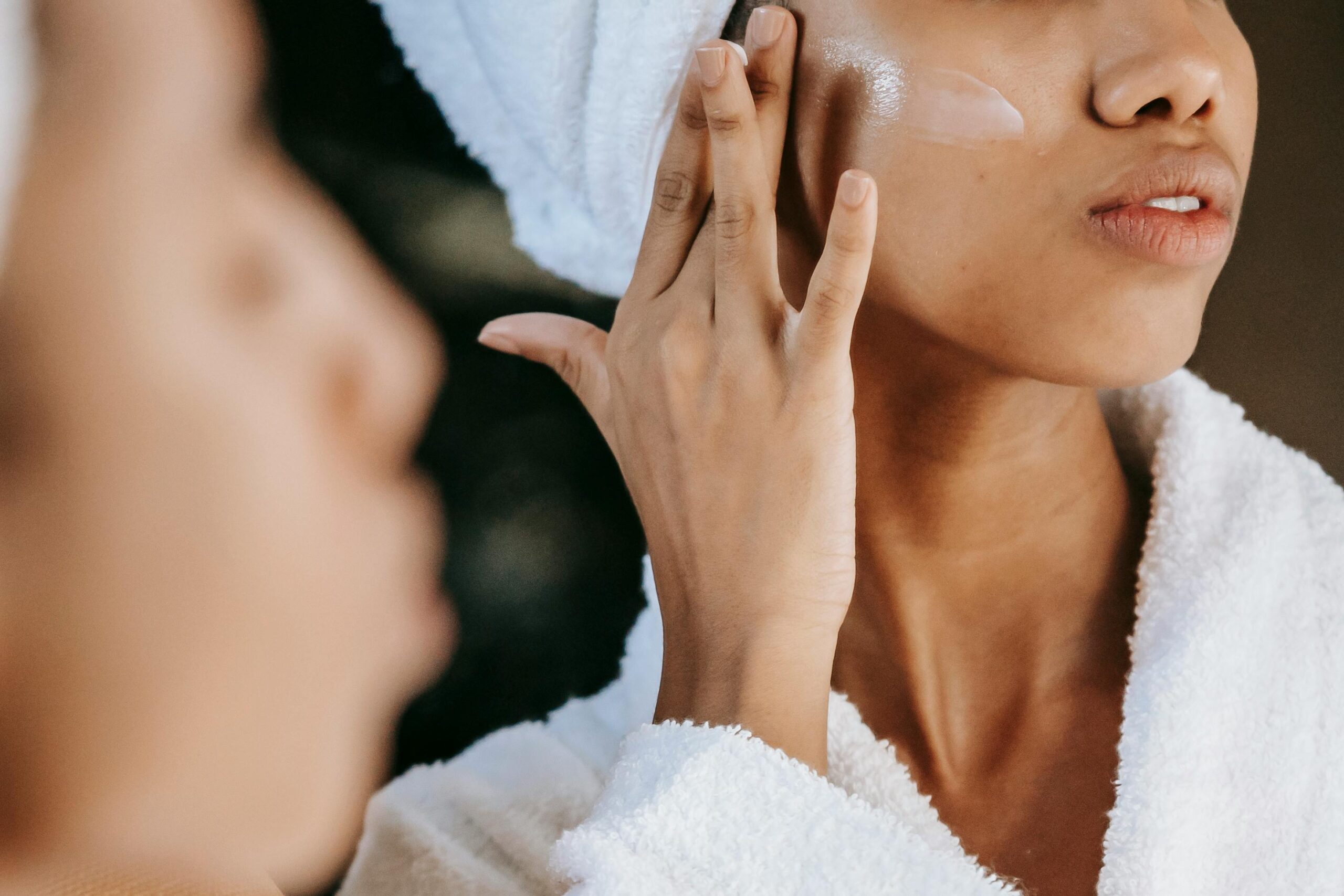
To prevent pilling, always use patting or pressing motions rather than rubbing, especially for serums and sunscreens. Apply thin layers, building coverage gradually instead of applying thick coats. Most importantly, give each layer adequate time to set before adding the next.
Emergency Fixes for When Pilling Happens
If you notice pilling during makeup application, don’t rub harder—this makes it worse. Instead, let everything dry completely, then gently brush away the pilled product with a clean, dry makeup brush. Mist with setting spray, wait 30 seconds, then continue with makeup using pressing motions only.
For persistent pilling issues with specific product combinations, one product needs to be replaced. Usually, it’s easier to change your primer than your foundation or skincare, as primers are specifically designed to create compatibility between skincare and makeup.
🎯 Targeted Solutions for Common Compatibility Problems
Despite following general guidelines, you might still experience specific issues that require targeted troubleshooting. Understanding these common problems and their solutions saves time, money, and frustration.
When foundation separates on your nose and forehead within hours, you’re experiencing oil breakthrough. This indicates either insufficient oil control from skincare/primer, wrong foundation formula for your skin type, or excess skincare product in oily zones. Apply less moisturizer to oil-prone areas and use a mattifying primer specifically where needed.
Concealer creasing under eyes typically results from too much eye cream, wrong concealer formula, or both. Use minimal eye cream, pat in thoroughly, wait several minutes, then apply a small amount of concealer with setting powder. Less is more in this delicate area.
Patchy foundation usually indicates uneven skin texture from inadequate exfoliation or dry patches. Regular gentle exfoliation 2-3 times weekly and targeted hydration for dry areas creates a smooth canvas that accepts makeup evenly.
🌈 The Role of Professional-Grade Tools
Your application tools significantly impact how well products work together. Dirty brushes and sponges harbor bacteria, old product buildup, and oils that interfere with fresh application and compromise compatibility.
Clean your makeup sponges after every use and brushes at least weekly. Residue from previous applications creates a barrier that prevents new products from applying smoothly and can cause unexpected reactions between old and new formulas.
The right tools also help with proper product placement and blending. Beauty sponges dampened with water or setting spray help press and meld products together rather than pushing them around, creating seamless layers that last longer.

🎭 Building Your Personal Compatibility Profile
Everyone’s skin is unique, responding differently to various ingredients and formulations. While general guidelines provide a foundation, developing your personal compatibility profile through experimentation and observation leads to truly flawless results.
Start a beauty journal documenting which product combinations work beautifully and which create problems. Note environmental factors, hormonal timing, and any skin concerns present when testing. Over time, patterns emerge that guide future purchases and routine adjustments.
Take photos of your makeup at application and throughout the day. This objective documentation reveals how your routine performs in real-world conditions and helps identify when and where breakdown occurs, guiding targeted improvements.
Remember that achieving perfect makeup and skincare compatibility is a journey, not a destination. As your skin changes, as formulas evolve, and as your needs shift, continue adapting and refining. The knowledge you’ve gained here provides the foundation for a lifetime of beautiful, compatible routines that showcase your natural radiance while protecting and nourishing your skin. Master these principles, trust your observations, and embrace the process of discovering what makes your unique skin truly glow.