Your skin is a mirror reflecting your inner health, and two often-overlooked culprits—stress and poor sleep—can wreak havoc on your complexion. Understanding this connection is your first step toward achieving that coveted radiant glow.

Modern life bombards us with stressors daily, from work deadlines to family responsibilities, while our sleep quality suffers under the weight of endless screen time and racing thoughts. These factors don’t just affect how you feel mentally; they manifest visibly on your skin through breakouts, premature aging, dullness, and inflammation. The good news? Once you understand the science behind this skin-stress-sleep triangle, you can implement targeted solutions that transform your complexion from the inside out.
The Science Behind Stress and Your Skin 🧬
When you experience stress, your body releases cortisol—often called the stress hormone. This biochemical response triggers a cascade of reactions that directly impact your skin’s health and appearance. Elevated cortisol levels increase oil production in your sebaceous glands, leading to clogged pores and acne breakouts. Additionally, stress compromises your skin’s barrier function, making it more susceptible to environmental damage and moisture loss.
Chronic stress also accelerates the breakdown of collagen and elastin, the proteins responsible for keeping your skin firm and youthful. This process contributes to premature wrinkles, fine lines, and sagging. Furthermore, stress-induced inflammation can exacerbate existing skin conditions like eczema, psoriasis, and rosacea, creating a frustrating cycle that’s difficult to break without addressing the root cause.
Research published in dermatological journals confirms that psychological stress delays wound healing and impairs the skin’s natural repair mechanisms. This means that even minor skin irritations take longer to resolve when you’re stressed, prolonging your journey to clear, healthy skin.
How Sleep Deprivation Ages Your Complexion
Sleep isn’t just rest for your mind—it’s prime time for your skin’s regeneration and repair processes. During deep sleep stages, your body increases blood flow to the skin, rebuilding collagen and repairing damage from UV exposure and environmental pollutants. Missing out on quality sleep means missing these crucial repair windows.
Insufficient sleep raises cortisol levels (yes, that hormone again!), creating the same inflammatory response as chronic stress. You’ll notice this manifesting as puffy eyes, dark circles, increased breakouts, and a generally lackluster complexion. Sleep deprivation also decreases the production of growth hormones essential for cell turnover and skin renewal.
Studies show that people who sleep fewer than six hours per night exhibit more signs of skin aging, including fine lines, uneven pigmentation, and reduced elasticity. Your skin’s ability to retain moisture also diminishes with poor sleep, leading to dryness, flakiness, and a compromised barrier function that makes you more vulnerable to irritants and allergens.
Recognizing the Warning Signs on Your Skin ⚠️
Your skin communicates stress and sleep deprivation through various telltale signs. Learning to recognize these signals helps you intervene before temporary issues become chronic problems. Sudden breakouts, especially along your jawline and chin, often indicate stress-related hormonal fluctuations. Increased sensitivity, redness, or irritation suggests your skin barrier is compromised.
Dullness and uneven texture signal that your cell turnover has slowed, a common consequence of inadequate sleep. Puffiness, particularly around the eyes, indicates fluid retention and poor lymphatic drainage—both exacerbated by insufficient rest. Dark circles become more pronounced when sleep deprivation affects blood circulation and causes blood vessels to dilate beneath the thin under-eye skin.
Accelerated signs of aging, such as deepening wrinkles or loss of firmness, may appear when chronic stress and poor sleep habits persist. Your skin might also feel drier than usual, as stress hormones disrupt the lipid barrier that locks in moisture. Paying attention to these warning signs allows you to take corrective action before they become entrenched patterns.
Expert Troubleshooting Tips for Stress Management 💆♀️
Addressing stress requires a multi-faceted approach that combines mental wellness practices with lifestyle adjustments. Mindfulness meditation has shown remarkable results in reducing cortisol levels. Even just ten minutes daily of focused breathing or guided meditation can significantly lower stress hormones and their impact on your skin.
Regular physical exercise serves as a powerful stress-buster while simultaneously improving circulation to your skin. Aim for at least 30 minutes of moderate activity most days of the week. Activities like yoga combine physical movement with stress reduction, offering double benefits for your complexion.
Establishing boundaries around work and technology helps prevent chronic stress accumulation. Designate specific times to check emails and social media rather than remaining constantly connected. The blue light from screens also disrupts your circadian rhythm, compounding both stress and sleep issues.
Consider incorporating adaptogens—natural substances that help your body manage stress—into your routine. Ashwagandha, rhodiola, and holy basil have been used for centuries to balance stress responses. Always consult a healthcare provider before adding supplements to your regimen.
Stress-Reducing Skincare Rituals
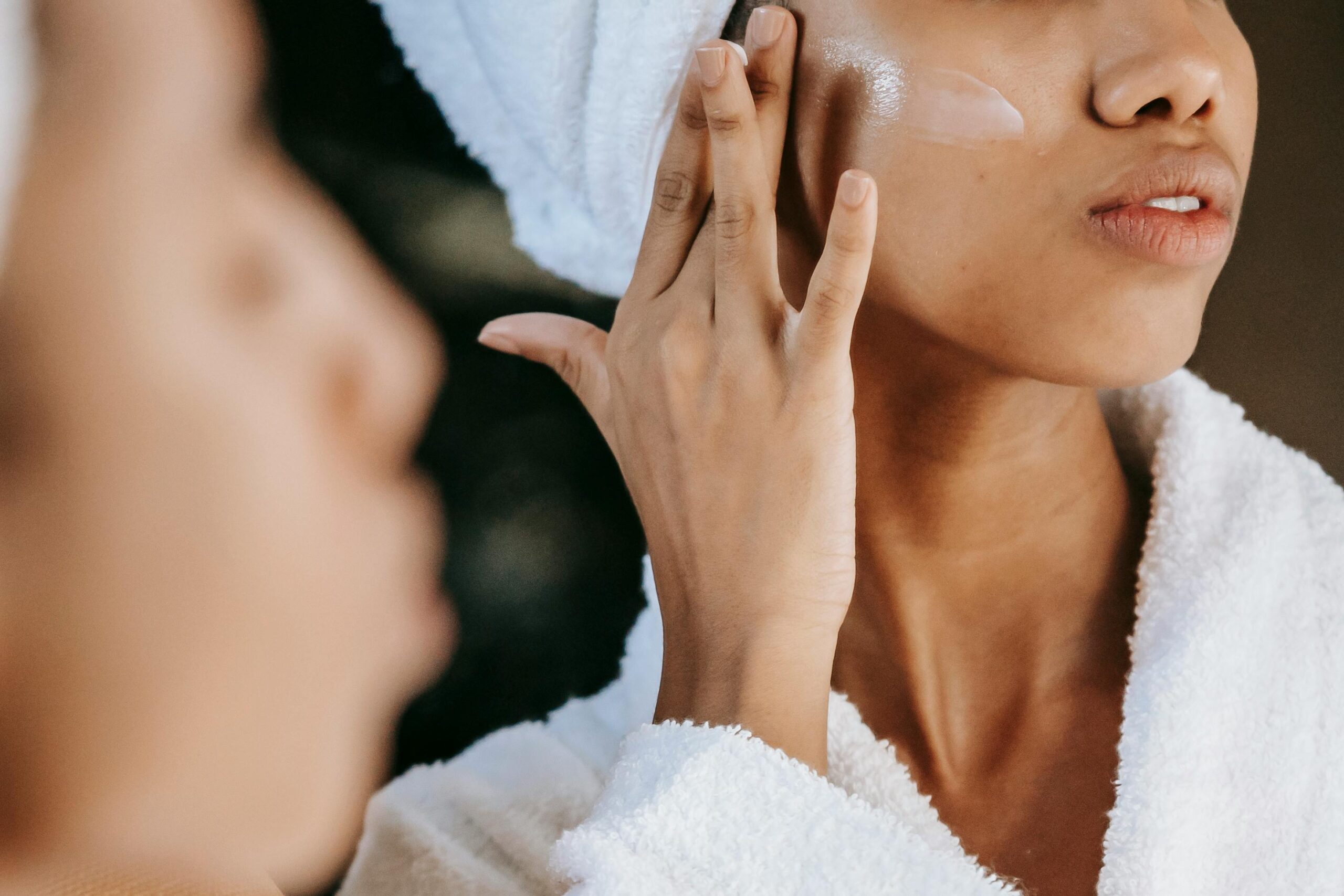
Transform your skincare routine into a therapeutic self-care ritual. The simple act of caring for your skin mindfully can reduce stress while addressing its visible effects. Start with a gentle, thorough cleanse using lukewarm water and circular massage motions that stimulate circulation and promote relaxation.
Incorporate facial massage techniques using your fingertips or a jade roller to release tension held in facial muscles. This practice boosts lymphatic drainage, reduces puffiness, and gives you a moment of calm connection with yourself. Apply serums and moisturizers with intention, taking deep breaths and focusing on the sensory experience.
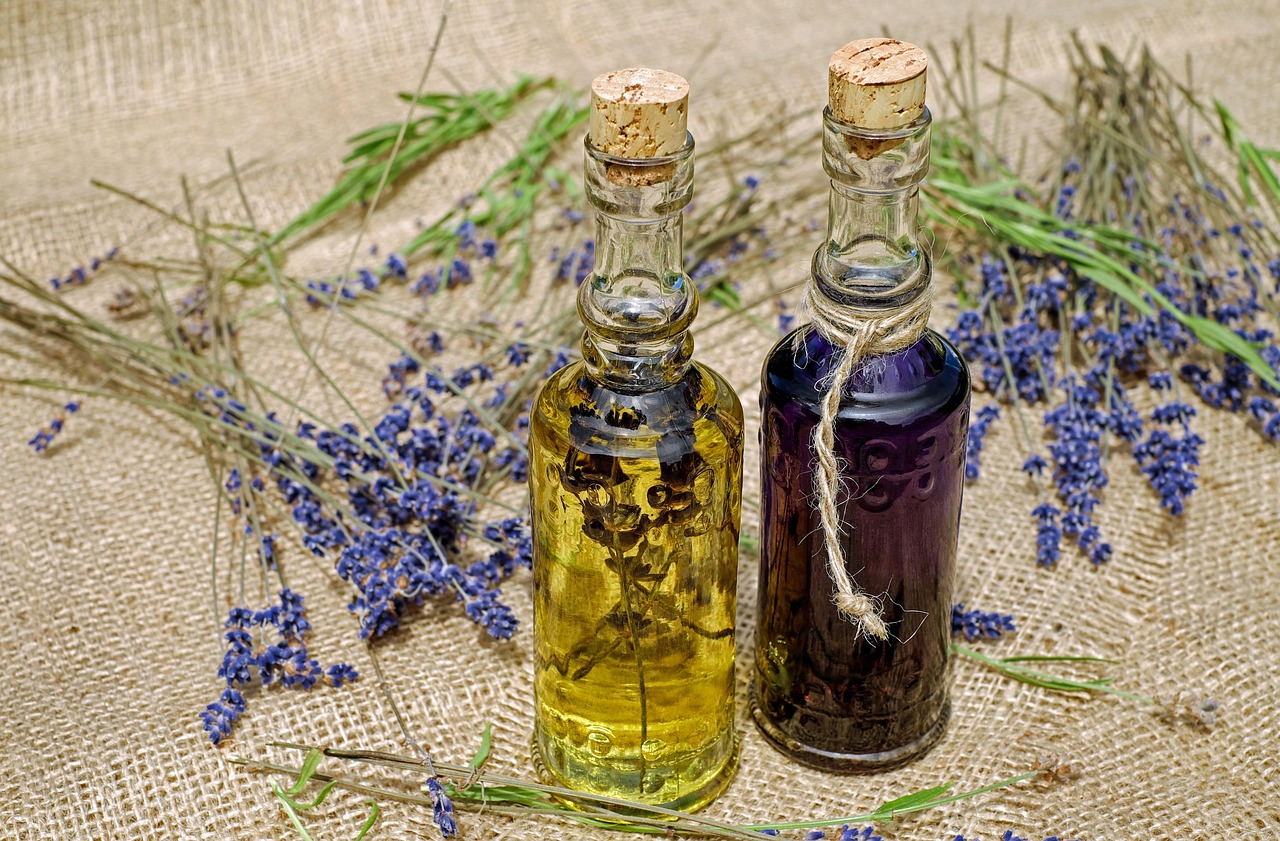
Choose skincare products with calming ingredients like chamomile, lavender, centella asiatica, and niacinamide. These ingredients soothe inflammation while their aromatherapeutic properties help lower stress levels. Making your evening skincare routine a non-negotiable appointment with yourself signals to your body that it’s time to transition from the day’s stresses.
Sleep Optimization Strategies for Glowing Skin ✨
Creating an optimal sleep environment begins with your bedroom setup. Keep your sleeping space cool (between 60-67°F), dark, and quiet. Invest in blackout curtains or a comfortable sleep mask to block light pollution that disrupts melatonin production. Consider a white noise machine if environmental sounds disturb your rest.
Establish a consistent sleep schedule by going to bed and waking at the same times daily, even on weekends. This consistency reinforces your natural circadian rhythm, making it easier to fall asleep and wake refreshed. Your skin’s repair processes sync with these circadian patterns, maximizing regeneration when your schedule remains stable.
Implement a wind-down routine starting 60-90 minutes before bedtime. Dim lights throughout your home to signal approaching sleep time. Avoid screens during this period, as blue light suppresses melatonin. Instead, try reading physical books, gentle stretching, journaling, or listening to calming music.
Nighttime Skincare for Maximum Regeneration
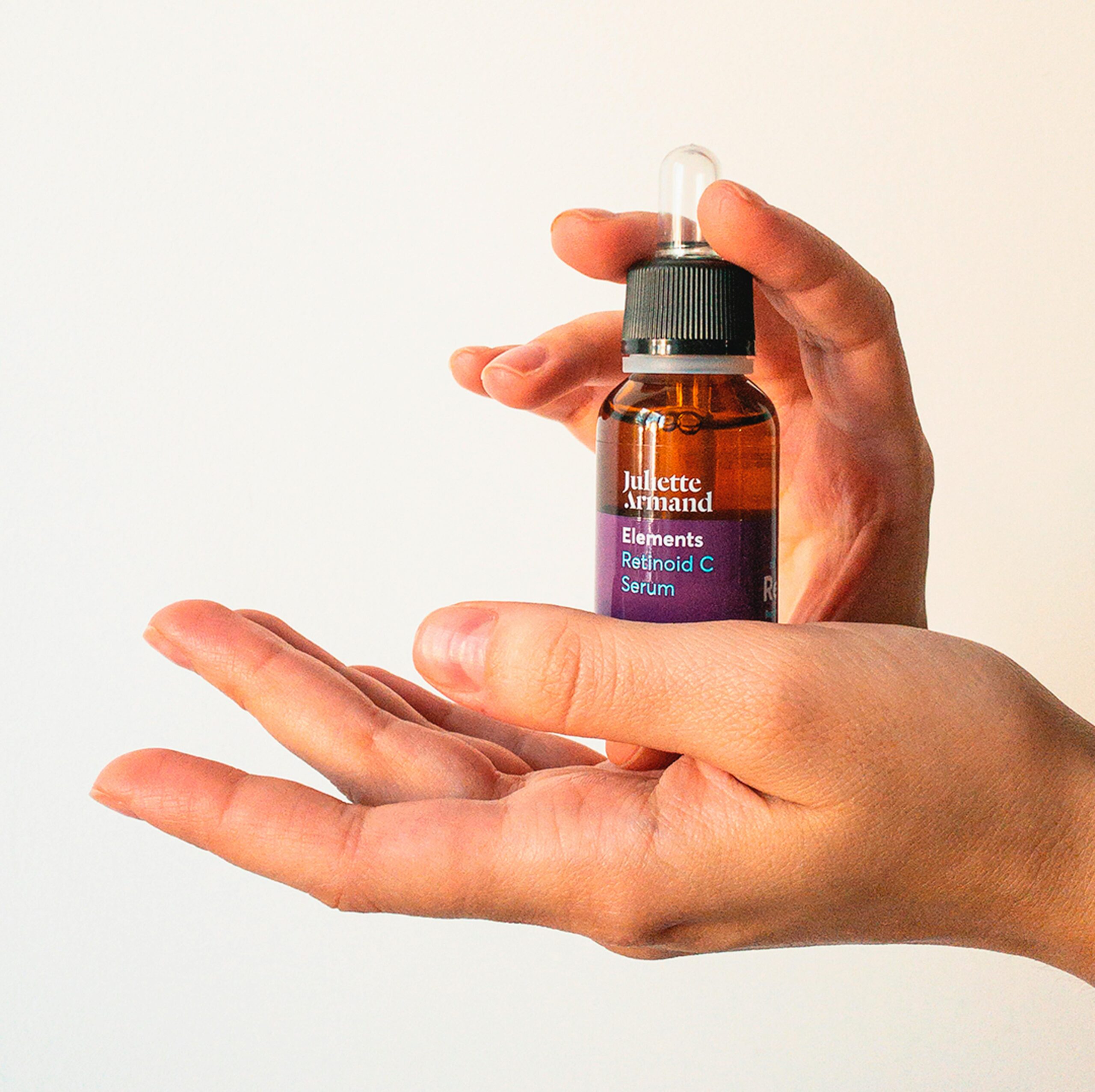
Your nighttime skincare routine should support your skin’s natural repair processes. After cleansing, apply products containing ingredients that work synergistically with your skin’s nighttime activities. Retinoids increase cell turnover and collagen production—perfect for overnight application when you’re not exposed to UV light.
Peptides signal your skin to produce more collagen and elastin during those crucial repair hours. Hyaluronic acid helps your skin retain moisture throughout the night, preventing the dehydration that makes fine lines more visible. Consider applying a slightly richer moisturizer at night than your daytime formula to support barrier repair.
Sleeping on silk or satin pillowcases reduces friction that can cause wrinkles and prevents moisture loss from your skin. Some experts recommend sleeping on your back to avoid compression wrinkles that form when your face presses against the pillow for hours.
Nutritional Support for the Skin-Sleep-Stress Connection 🥗
What you eat profoundly influences how well you sleep, how you manage stress, and ultimately, how your skin looks. Focus on consuming foods rich in omega-3 fatty acids like salmon, walnuts, and flaxseeds. These healthy fats reduce inflammation throughout your body, including your skin, while supporting brain health and stress resilience.
Incorporate antioxidant-rich foods that combat free radical damage accelerated by stress and poor sleep. Berries, dark leafy greens, and colorful vegetables provide vitamins C and E, essential for collagen synthesis and skin protection. Foods containing magnesium—such as pumpkin seeds, almonds, and dark chocolate—promote better sleep quality and help regulate stress hormones.
Avoid caffeine after 2 PM, as it remains in your system for hours and disrupts sleep architecture. Limit alcohol consumption, particularly close to bedtime. While alcohol might help you fall asleep initially, it fragments sleep quality and prevents you from reaching the deep, restorative stages your skin needs for optimal repair.
Hydration and Skin Health
Adequate hydration supports every bodily function, including stress management, sleep quality, and skin health. Aim for at least eight glasses of water daily, adjusting for activity level and climate. Dehydration exacerbates the appearance of fine lines and makes your skin look dull and tired.
Consider herbal teas that serve double duty by hydrating you while providing stress-reducing or sleep-promoting benefits. Chamomile, passionflower, and valerian root teas can help you wind down in the evening. Green tea consumed earlier in the day provides antioxidants that protect your skin from environmental damage.
Creating Your Personalized Skin-Sleep-Stress Action Plan 📋
Now that you understand the connections, it’s time to create a customized plan addressing your specific challenges. Start by tracking your sleep patterns, stress levels, and skin condition for two weeks. Note which nights you sleep well and how your skin looks the following day. Identify your primary stress triggers and when they typically occur.
Based on your observations, prioritize the interventions most likely to benefit you. If you’re getting only five hours of sleep nightly, improving sleep duration should be your first focus. If stress is your primary issue, implement stress-reduction techniques before expecting skincare products alone to solve your problems.
Set realistic, measurable goals. Rather than vaguely aiming to “reduce stress,” commit to specific actions like “practice ten minutes of meditation daily” or “establish a screen-free hour before bed.” Track your progress and adjust strategies that aren’t working after giving them a fair trial period of at least three to four weeks.
When to Seek Professional Help
Sometimes, despite your best efforts, you need professional guidance. Consult a dermatologist if skin issues persist or worsen despite lifestyle improvements. Chronic insomnia lasting more than three months warrants evaluation by a sleep specialist. Persistent, overwhelming stress or anxiety symptoms should be addressed with a mental health professional.
These professionals can offer targeted treatments that complement your lifestyle changes. A dermatologist might prescribe medical-grade topicals or procedures that accelerate skin repair. A sleep specialist can diagnose underlying conditions like sleep apnea. A therapist can provide cognitive-behavioral strategies specifically designed for stress and sleep management.
Maintaining Long-Term Results for Radiant Skin 🌟
Achieving radiant skin through stress management and sleep optimization isn’t a quick fix—it’s a lifestyle commitment. The good news is that once you establish these healthy habits, they become increasingly natural and self-reinforcing. Better sleep improves your stress resilience, which in turn helps you sleep better, creating a positive cycle that continuously benefits your skin.
Regularly reassess and adjust your routines as life circumstances change. What works during a calm period might need modification during particularly stressful times. Be flexible and kind to yourself, recognizing that perfection isn’t the goal—consistency and effort are what matter.
Celebrate small victories along the way. Notice when you wake feeling refreshed, when someone compliments your complexion, or when you handle a stressful situation with greater calm. These moments confirm that your efforts are working and motivate you to continue prioritizing your wellbeing.
Remember that visible skin improvements typically take 4-6 weeks to manifest as your skin’s cell turnover cycle completes. Deeper changes to collagen and elastin may require several months of consistent habits. Patience combined with persistent effort yields the most dramatic, lasting transformations.

The Holistic Approach to Lasting Skin Health
True radiance emerges when you address your skin holistically rather than viewing it as separate from your overall health. The interconnection between stress, sleep, and skin health demonstrates that lasting beauty solutions must consider your whole self—physical, mental, and emotional wellbeing.
By implementing the troubleshooting tips outlined here, you’re not just improving your complexion; you’re enhancing your quality of life. Better stress management means greater enjoyment of daily experiences. Improved sleep translates to enhanced cognitive function, better mood, and increased energy. These benefits extend far beyond your mirror’s reflection.
Your journey toward radiant skin is deeply personal and uniquely yours. The strategies that work best will depend on your individual circumstances, skin type, stress triggers, and lifestyle. Experiment with different approaches, listen to your body and skin, and create a sustainable routine that feels nurturing rather than burdensome.
Start today with one small change—perhaps committing to an earlier bedtime, taking five minutes for deep breathing, or adding a calming step to your skincare routine. Each positive choice compounds over time, gradually transforming not just your skin but your relationship with yourself. Your radiant, healthy complexion awaits on the other side of these intentional, caring practices. 💫