Retinoids have transformed skincare routines worldwide, offering powerful anti-aging and skin-renewing benefits. Yet, choosing the right strength can feel overwhelming for beginners and experienced users alike.

Understanding how retinoid concentrations work and which formulations suit your unique skin type is essential for achieving that coveted glow without irritation. This comprehensive guide breaks down everything you need to know about retinoid strengths, helping you navigate options confidently and build an effective routine tailored to your skin’s specific needs.
What Are Retinoids and Why Do They Matter? ✨
Retinoids are vitamin A derivatives that work at the cellular level to accelerate skin renewal, boost collagen production, and improve overall skin texture. They’ve earned their reputation as gold-standard ingredients in dermatology for treating acne, fine lines, hyperpigmentation, and various skin concerns.
The retinoid family includes prescription-strength tretinoin, over-the-counter retinol, and gentler alternatives like retinyl palmitate. Each variant differs in potency and how quickly it converts to retinoic acid—the active form your skin cells recognize and respond to.
When you apply retinoids consistently, they penetrate the skin’s surface to communicate with cells, encouraging faster turnover and revealing fresher, younger-looking skin beneath. This process also helps unclog pores, fade dark spots, and minimize the appearance of wrinkles over time.
Decoding the Retinoid Strength Spectrum 📊
Not all retinoids are created equal. The strength hierarchy ranges from mild to prescription-grade, with varying conversion steps required before becoming active in your skin.
Prescription Retinoids: Maximum Strength Solutions
Tretinoin (Retin-A) sits at the top of the potency ladder. Available in concentrations from 0.025% to 0.1%, it requires no conversion and works immediately as retinoic acid. Dermatologists prescribe it for severe acne, significant photoaging, and stubborn hyperpigmentation.
Tazarotene and adapalene are other prescription options, each with unique benefits. Adapalene is now available over-the-counter in lower strengths (0.1%), making it more accessible for those seeking stronger results without a prescription.
Over-the-Counter Retinol: The Popular Middle Ground
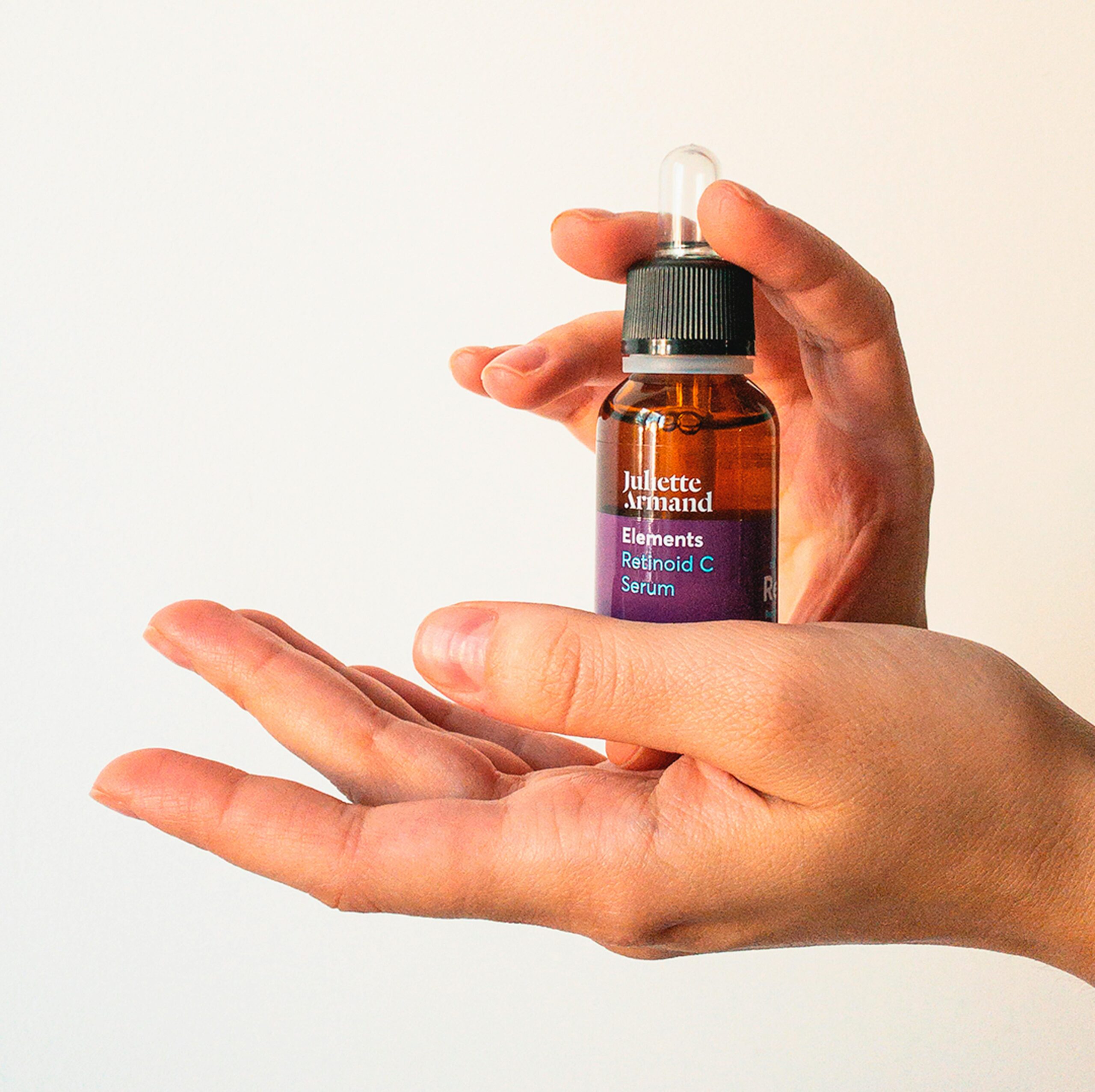
Retinol requires two conversion steps before becoming retinoic acid, making it gentler than prescription alternatives. OTC retinol products typically range from 0.25% to 1%, with higher percentages offering more dramatic results alongside increased potential for irritation.
The beauty of retinol lies in its accessibility and flexibility. You can find it in serums, creams, oils, and even eye treatments, allowing customization based on your skin’s tolerance and specific concerns.
Gentler Alternatives: Starting Points for Sensitive Skin
Retinyl palmitate and retinyl acetate require additional conversion steps, resulting in milder effects. These forms suit sensitive skin types, retinoid beginners, or those who’ve experienced irritation with stronger formulations.
Bakuchiol has emerged as a natural retinol alternative, offering similar benefits without the characteristic retinoid adjustment period. While research continues, many users appreciate its gentleness for reactive or compromised skin barriers.
Matching Retinoid Strength to Your Skin Type 🎯
Selecting the appropriate retinoid strength depends heavily on your skin type, concerns, and tolerance level. Here’s how to align your choice with your specific needs.
Oily and Acne-Prone Skin
Oily skin generally tolerates retinoids well due to its thicker nature and robust sebum production. Start with adapalene 0.1% or retinol 0.5% to address breakouts and enlarged pores effectively.
If you have persistent acne, consulting a dermatologist for prescription-strength tretinoin 0.025% or 0.05% can provide faster, more significant clearing. These strengths also help prevent future breakouts by keeping pores clear.
Dry and Sensitive Skin
Dry or sensitive skin types should approach retinoids cautiously. Begin with retinyl palmitate or low-concentration retinol (0.25%) applied just twice weekly initially.
Look for formulations with hydrating ingredients like hyaluronic acid, ceramides, or niacinamide to buffer potential dryness. Time-released or encapsulated retinoids offer another excellent option, delivering benefits gradually to minimize irritation.
Combination Skin
Combination skin allows more flexibility in retinoid selection. A moderate-strength retinol (0.5%) typically works well, though you might apply it more frequently to oilier zones while reducing application on drier areas.
Consider using different formulations strategically—a lightweight retinol serum on your T-zone and a richer retinol cream on cheeks if needed.
Mature Skin Seeking Anti-Aging Benefits
For established signs of aging, higher concentrations deliver more visible improvements. If you’re new to retinoids, start with retinol 0.5% and gradually increase to 1% as tolerance builds.
Mature skin often experiences increased dryness, so pair your retinoid with rich moisturizers and consider applying it every other night rather than daily until your skin adjusts fully.
Building Your Retinoid Routine: Step-by-Step Integration 📅
Successfully incorporating retinoids requires patience and strategic planning. Rushing the process commonly leads to the dreaded “retinoid uglies”—peeling, redness, and increased sensitivity that discourage continued use.
The Gradual Introduction Method
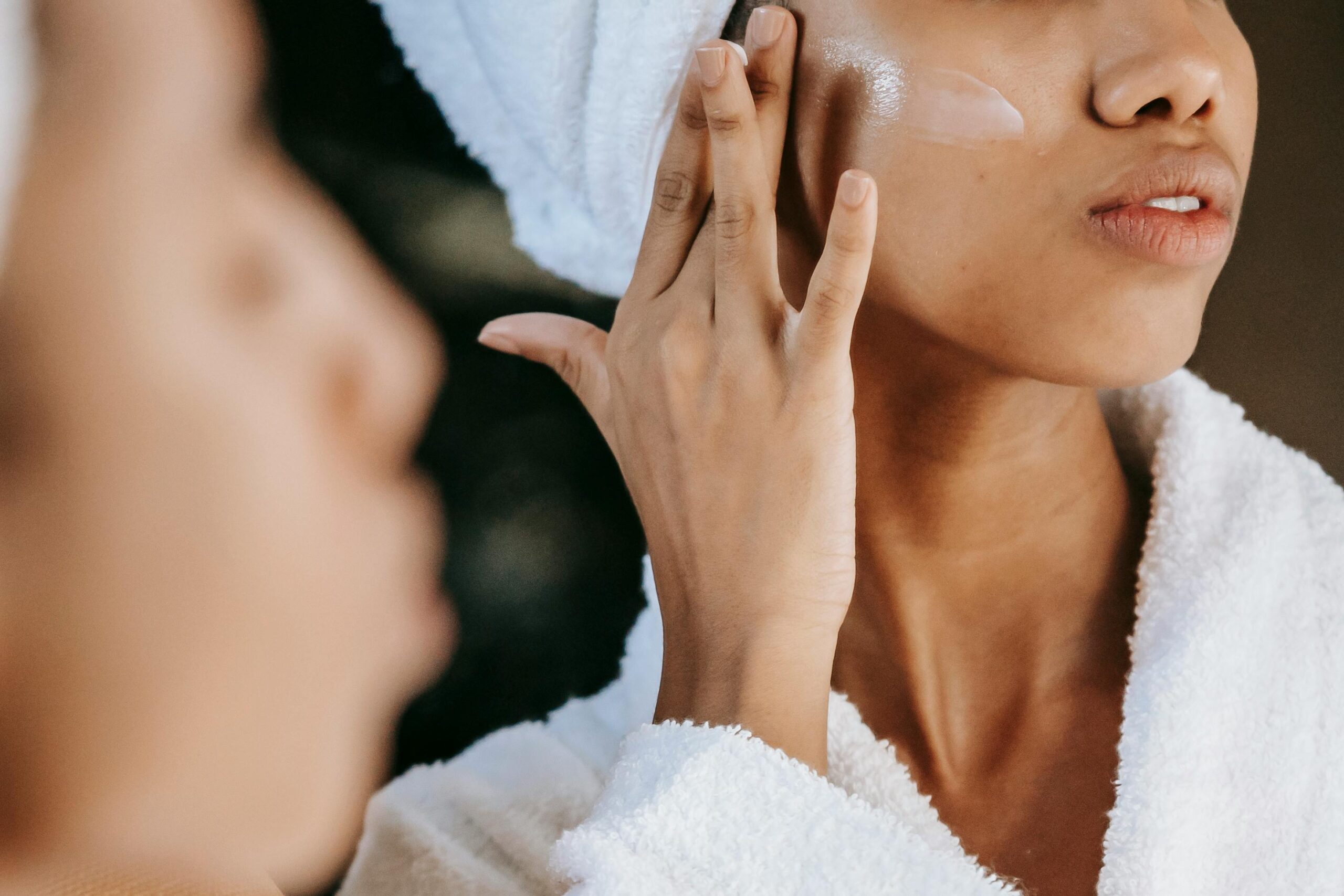
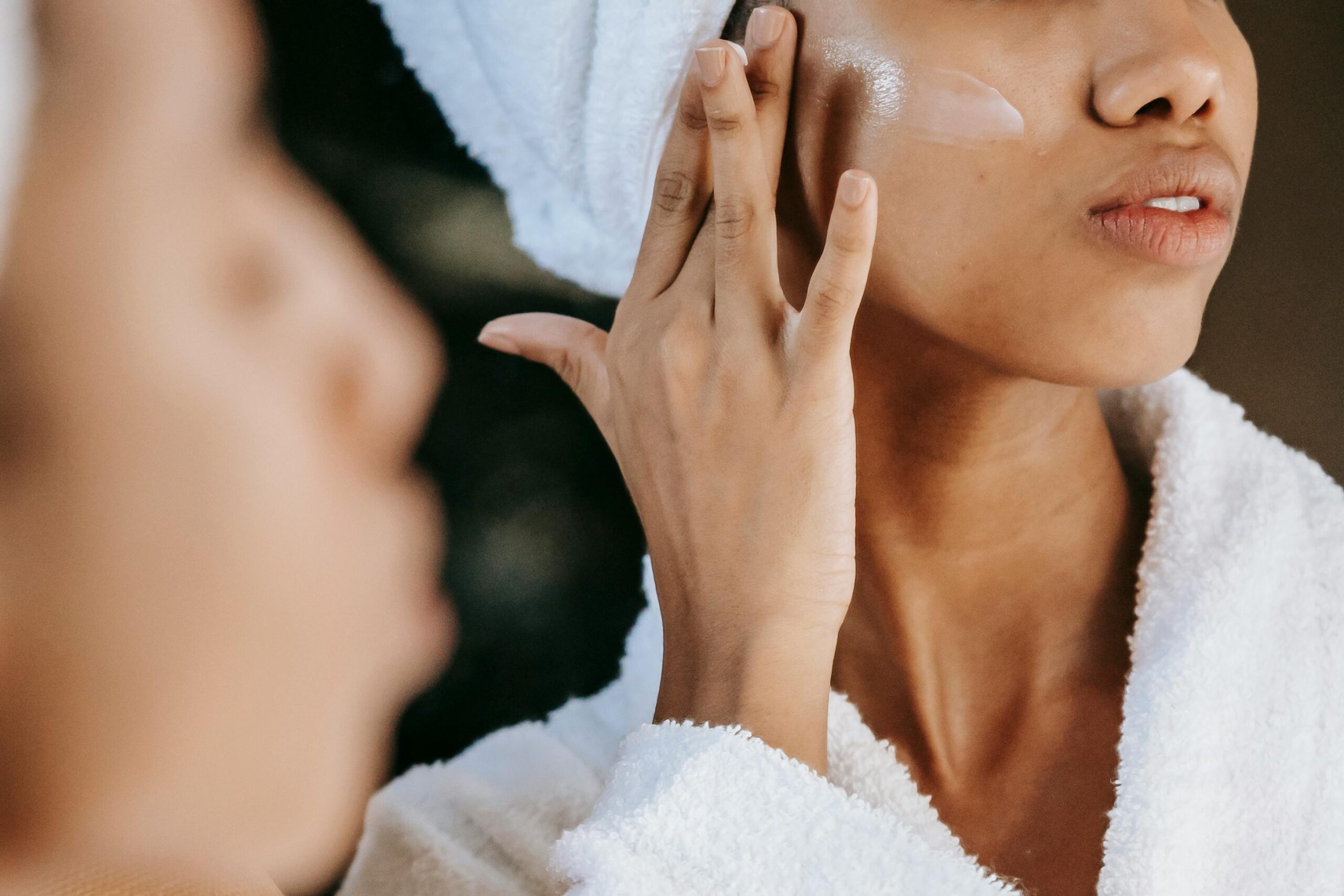
Start by applying your chosen retinoid just once or twice weekly for the first two weeks. Always use it on completely dry skin—waiting 20-30 minutes after cleansing prevents unnecessary irritation.
Apply a pea-sized amount to your entire face, avoiding the immediate eye area and corners of your nose and mouth where skin is thinnest. Follow with a nourishing moisturizer to seal in hydration.
After two weeks without significant irritation, increase to every third night for another two weeks, then every other night, and finally nightly if your skin tolerates it well.
The Sandwich Method for Extra Sensitivity
This technique layers moisturizer before and after retinoid application, creating a buffer that reduces penetration speed while maintaining effectiveness. Apply your regular moisturizer first, wait until absorbed, apply retinoid, then finish with another moisturizer layer.
The sandwich method works exceptionally well for dry, sensitive, or compromised skin barriers, allowing benefits without overwhelming delicate skin.
Morning After Care Essentials ☀️
Retinoids increase photosensitivity, making daily SPF 30 or higher non-negotiable. Choose a broad-spectrum sunscreen and reapply every two hours when exposed to sunlight.
Morning routines should focus on hydration and protection. Use gentle, fragrance-free cleansers and avoid potentially irritating actives like AHAs, BHAs, or vitamin C until your skin fully adjusts to retinoids.
Common Retinoid Mistakes to Avoid ⚠️
Even with the best intentions, certain missteps can sabotage your retinoid journey. Awareness helps you sidestep these common pitfalls.
Using Too Much Product
More isn’t better with retinoids. A pea-sized amount suffices for your entire face. Excessive application increases irritation risk without enhancing results.
Skipping Moisturizer
Some users avoid moisturizer, believing it reduces retinoid effectiveness. This myth causes unnecessary dryness and discomfort. Moisturizer doesn’t significantly hinder retinoid penetration while dramatically improving tolerance.
Mixing with Incompatible Ingredients
Combining retinoids with other potent actives like benzoyl peroxide, vitamin C, or AHA/BHA exfoliants can trigger severe irritation. If using multiple actives, alternate nights or consult a dermatologist for personalized layering guidance.
Giving Up Too Soon
Retinoids require patience—visible improvements typically emerge after 12 weeks of consistent use. The initial adjustment period might include purging or mild irritation, but these effects usually subside within 4-6 weeks.
Adjusting Strength Over Time: When and How to Progress 📈
As your skin builds tolerance, you might consider increasing retinoid strength for enhanced results. Timing this transition properly ensures continued progress without setbacks.
Wait at least three months before considering a strength increase. Your skin should tolerate your current retinoid nightly without persistent redness, peeling, or sensitivity. If you’re still experiencing adjustment symptoms, remain at your current strength longer.
When upgrading, treat the new strength as if starting fresh—reduce frequency initially, allowing your skin to acclimate gradually. This cautious approach prevents overwhelming your newly sensitized skin.
Some dermatologists recommend alternating strengths, using a lower concentration most nights with a higher strength once or twice weekly. This strategy can maximize benefits while minimizing irritation risks.
Specialized Retinoid Considerations for Different Concerns 🔍
Hyperpigmentation and Uneven Skin Tone
Retinoids excel at fading dark spots by accelerating cell turnover and inhibiting melanin production. Tretinoin 0.05% or retinol 0.5-1% paired with vitamin C (applied at different times) offers powerful brightening effects.
Patience proves crucial here—hyperpigmentation improvements become noticeable around the 8-12 week mark, with continued enhancement over several months.
Textured Skin and Large Pores
For rough texture and visible pores, consistent retinoid use refines skin surface and tightens pore appearance. Moderate-strength retinol (0.5%) or adapalene typically delivers noticeable smoothing within 2-3 months.
Fine Lines and Deep Wrinkles
Anti-aging results require higher concentrations and extended commitment. Prescription tretinoin 0.05-0.1% provides most dramatic wrinkle reduction, though retinol 1% offers substantial benefits for those preferring OTC options.
Combining retinoids with peptides, antioxidants, and diligent sun protection maximizes anti-aging outcomes.
Pregnancy, Nursing, and Retinoid Safety 🤰
Retinoids are contraindicated during pregnancy and breastfeeding due to potential risks to fetal development. If you’re pregnant, planning pregnancy, or nursing, discontinue all retinoid use and consult your healthcare provider about safe alternatives.
Bakuchiol, azelaic acid, and vitamin C provide pregnancy-safe options for maintaining skin health during this period. Always verify ingredient safety with your obstetrician before introducing new skincare products.
Creating Your Personalized Retinoid Roadmap 🗺️
Your ideal retinoid journey is uniquely yours. Consider these factors when designing your personalized approach:
- Current skin condition and primary concerns
- Previous experience with active ingredients
- Lifestyle factors including climate and sun exposure
- Budget for both products and professional guidance
- Realistic commitment level for consistent application
Document your progress with photos taken in consistent lighting every 4 weeks. This visual record helps track subtle improvements that might otherwise go unnoticed during daily observation.
Remember that skin cycling—rotating retinoid nights with recovery and exfoliation nights—has gained popularity for good reason. This approach allows active ingredient benefits while prioritizing skin barrier health.
Professional Guidance: When to Consult a Dermatologist 👨⚔️
While OTC retinoids serve many users well, certain situations warrant professional consultation. Seek dermatological advice if you experience persistent severe irritation, have underlying skin conditions like rosacea or eczema, or aren’t seeing expected results after six months of consistent use.
Dermatologists can prescribe higher-strength formulations, combine retinoids with other prescription treatments, or adjust your regimen based on your skin’s specific responses. Professional chemical peels or laser treatments might complement your retinoid routine for accelerated results.
Many dermatology practices now offer virtual consultations, making professional guidance more accessible regardless of location. This convenience removes barriers to expert advice when navigating your retinoid journey.
Embracing Your Glow Journey with Confidence 💫
Retinoids represent one of skincare’s most scientifically validated ingredients, offering transformative benefits when used appropriately. By understanding strength differences, matching formulations to your skin type, and integrating them gradually into your routine, you set yourself up for success.
The path to radiant skin isn’t linear—expect adjustment periods, celebrate small victories, and remain patient through the process. Your commitment to consistent application and sun protection will reward you with smoother texture, clearer complexion, and that enviable healthy glow.
Start where you are, use what works for your unique skin, and remember that skincare is deeply personal. What works wonderfully for someone else might not suit you, and that’s perfectly normal. Listen to your skin, adjust as needed, and enjoy discovering how retinoids can unlock your skin’s full potential.