Navigating the world of vitamin A derivatives can feel overwhelming, especially when choosing between retinol and retinal for your skincare routine. Both ingredients promise transformative results, but understanding their differences is crucial for achieving that coveted skin glow-up.

If you’ve ever stood in the skincare aisle wondering which vitamin A product deserves a spot in your regimen, you’re not alone. The retinoid family includes multiple forms, each with unique strengths, conversion processes, and benefits. This comprehensive guide breaks down everything you need to know about retinol versus retinal, helping you make an informed decision tailored to your skin’s specific needs.
Understanding the Vitamin A Family Tree 🌳
Before diving into the retinol vs retinal debate, it’s essential to understand where these ingredients fit within the broader vitamin A landscape. Retinoids encompass all vitamin A derivatives, including prescription-strength tretinoin (retinoic acid), over-the-counter retinol, retinal (retinaldehyde), and various retinyl esters.
The human skin can only utilize vitamin A in its active form: retinoic acid. Every other vitamin A derivative must convert into retinoic acid before your skin cells can recognize and use it. This conversion process is where the critical differences between retinol and retinal emerge, affecting both efficacy and tolerability.
What Exactly Is Retinol? 💊
Retinol has dominated the skincare industry for decades, earning its reputation as the gold standard anti-aging ingredient. This over-the-counter vitamin A derivative requires two conversion steps to become active retinoic acid in your skin.
First, retinol converts to retinal (retinaldehyde), then retinal converts to retinoic acid. This two-step process means retinol works more gradually than prescription retinoids, which explains why it’s generally better tolerated by sensitive skin types.
The Benefits of Retinol for Your Skin
Retinol addresses multiple skin concerns simultaneously, making it a versatile addition to any skincare routine. It accelerates cell turnover, revealing fresher, younger-looking skin beneath the surface. This increased cellular renewal helps fade hyperpigmentation, smooth fine lines, and improve overall skin texture.
Additionally, retinol stimulates collagen production, which naturally declines as we age. More collagen means firmer, plumper skin with improved elasticity. The ingredient also helps regulate sebum production, making it beneficial for acne-prone skin by preventing clogged pores.
Introducing Retinal: The Middle Child Getting Recognition ✨
Retinal, also known as retinaldehyde, sits between retinol and prescription tretinoin in terms of potency and conversion efficiency. This ingredient requires only one conversion step to become active retinoic acid, making it approximately 11 times more efficient than retinol according to some scientific studies.
Despite being available for years, retinal has recently gained mainstream attention as skincare enthusiasts seek more effective alternatives to retinol without jumping straight to prescription-strength options. This middle-ground positioning makes retinal an attractive option for those wanting faster results with potentially less irritation than tretinoin.
Why Retinal Deserves Your Attention
The single-step conversion process means retinal works faster than retinol, potentially delivering visible improvements in less time. Users often report seeing results in 4-6 weeks compared to the 8-12 weeks typically needed with retinol.
Research also suggests retinal possesses antimicrobial properties, making it particularly beneficial for acne-prone skin. This added benefit sets it apart from retinol, which primarily addresses acne through exfoliation and pore-clearing rather than direct bacterial action.
Head-to-Head Comparison: The Key Differences 🥊
Understanding the nuanced differences between these two vitamin A derivatives helps you determine which aligns better with your skin goals, tolerance level, and lifestyle.
| Factor | Retinol | Retinal |
|---|---|---|
| Conversion Steps | Two (retinol → retinal → retinoic acid) | One (retinal → retinoic acid) |
| Efficacy Speed | Slower (8-12 weeks) | Faster (4-6 weeks) |
| Potency | Moderate | Higher (11x more efficient) |
| Irritation Risk | Lower to moderate | Moderate |
| Availability | Widely available | Less common but growing |
| Price Range | $15-$100+ | $30-$150+ |
| Stability | Less stable | More stable |
Which One Should You Choose? 🤔
Selecting between retinol and retinal depends on several personal factors, including your skin type, experience with retinoids, specific concerns, and budget considerations.
Choose Retinol If You’re:
- New to retinoids and want to start with a gentler option
- Working with a limited budget and seeking affordable options
- Managing sensitive skin that reacts easily to active ingredients
- Comfortable with a slower, more gradual transformation process
- Looking for widely available products with extensive brand options
- Building a preventative anti-aging routine in your 20s or early 30s
Choose Retinal If You’re:
- Already comfortable with retinol and ready for the next level
- Seeking faster visible results without prescription requirements
- Dealing with moderate to severe acne that needs antimicrobial support
- Willing to invest in a more premium skincare ingredient
- Addressing advanced signs of aging like deeper wrinkles or significant sun damage
- Looking for a more stable formulation with longer shelf life
How to Introduce These Ingredients Safely 🛡️
Regardless of which vitamin A derivative you choose, proper introduction is crucial for minimizing irritation and maximizing benefits. The retinization process—your skin’s adjustment period—can last several weeks and requires patience.
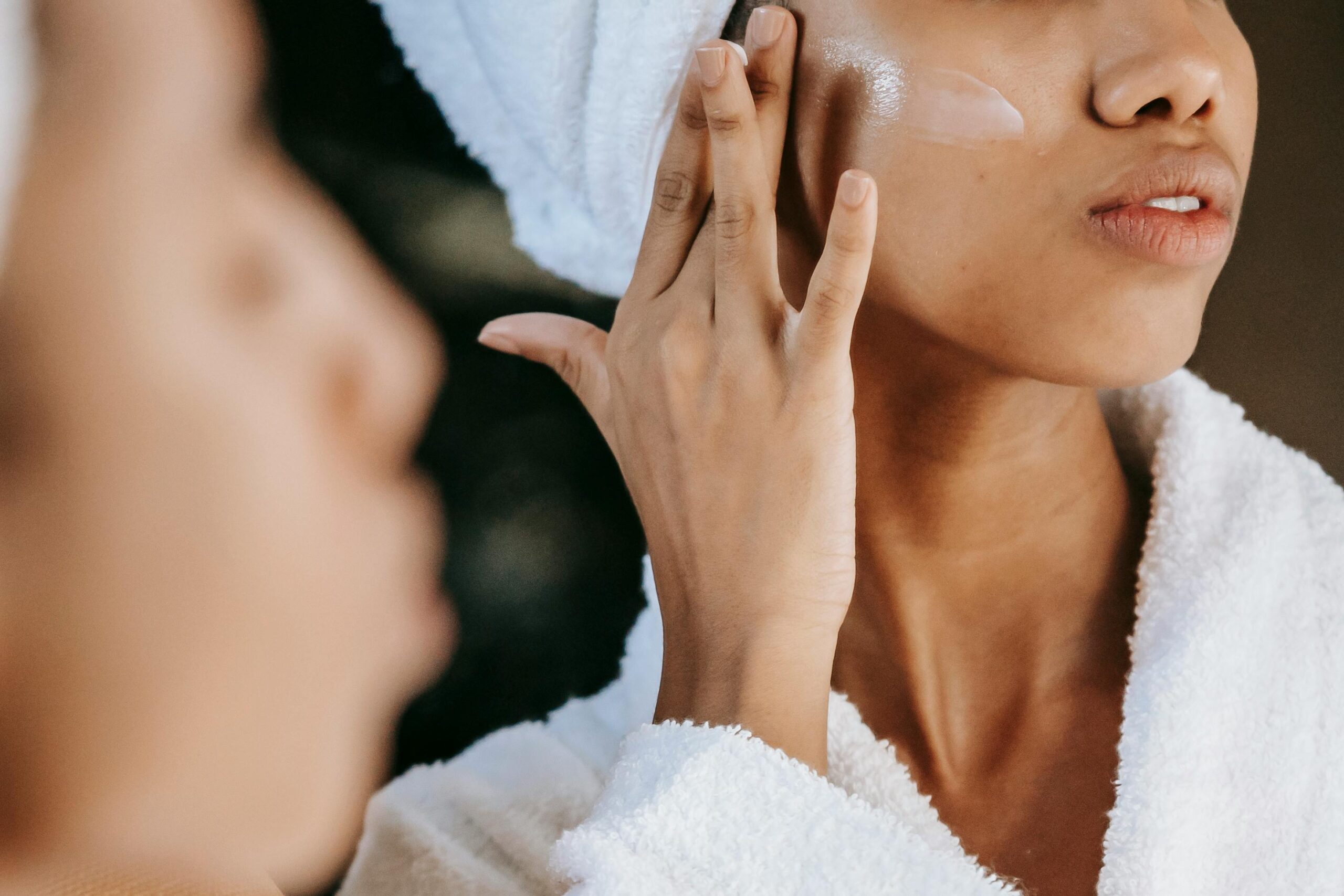
Start by applying your chosen product just once or twice weekly, preferably in the evening since vitamin A derivatives increase photosensitivity. Gradually increase frequency over 4-6 weeks as your skin builds tolerance. Always apply to clean, completely dry skin, as moisture can increase penetration and potential irritation.
The Sandwich Method for Sensitive Skin
If you’re concerned about irritation, try the sandwich method: apply moisturizer first, then your retinoid, followed by another layer of moisturizer. This buffering technique slows absorption slightly but significantly reduces irritation risk, making it ideal for retinoid beginners or those with reactive skin.
Common Side Effects and How to Manage Them 🔥
Both retinol and retinal can cause similar side effects during the adjustment period, commonly called “retinoid uglies.” These temporary reactions include redness, dryness, flaking, and increased sensitivity. Some users also experience purging, where underlying congestion surfaces as breakouts before skin improves.
Managing these effects requires strategic skincare adjustments. Simplify your routine during retinization, avoiding other active ingredients like acids, vitamin C, or benzoyl peroxide unless specifically advised otherwise. Prioritize hydration with gentle, fragrance-free moisturizers and always wear broad-spectrum SPF 30 or higher during the day.
When to Push Through vs. When to Stop
Mild dryness, slight redness, and light flaking are normal adjustment symptoms that typically resolve within 2-4 weeks. However, severe burning, persistent inflammation, or painful irritation signals you should pause usage and consult a dermatologist. Your skin should feel slightly uncomfortable at most, never painful.
Maximizing Results: Best Practices and Pro Tips 💎
Achieving optimal results with either retinol or retinal extends beyond just applying the product. Strategic routine building enhances efficacy while minimizing potential downsides.
Timing matters significantly—apply vitamin A derivatives to completely dry skin, waiting at least 20-30 minutes after cleansing. This prevents excess penetration that can trigger unnecessary irritation. Use a pea-sized amount for your entire face, avoiding the delicate eye area unless using a specific eye-formulated retinoid.
Ingredient Combinations That Enhance Your Glow-Up
Pairing your retinoid with complementary ingredients amplifies results. Niacinamide works beautifully alongside both retinol and retinal, helping strengthen the skin barrier and reduce irritation. Hyaluronic acid provides essential hydration, counteracting retinoid-induced dryness. Peptides support the collagen-boosting effects, creating a synergistic anti-aging powerhouse.
However, avoid combining retinoids with potentially irritating ingredients like AHAs, BHAs, or vitamin C in the same routine initially. Once your skin fully adjusts after 8-12 weeks, you might carefully introduce these actives at separate times—perhaps vitamin C in the morning and retinoid at night.
Product Formulation Matters More Than You Think 📦
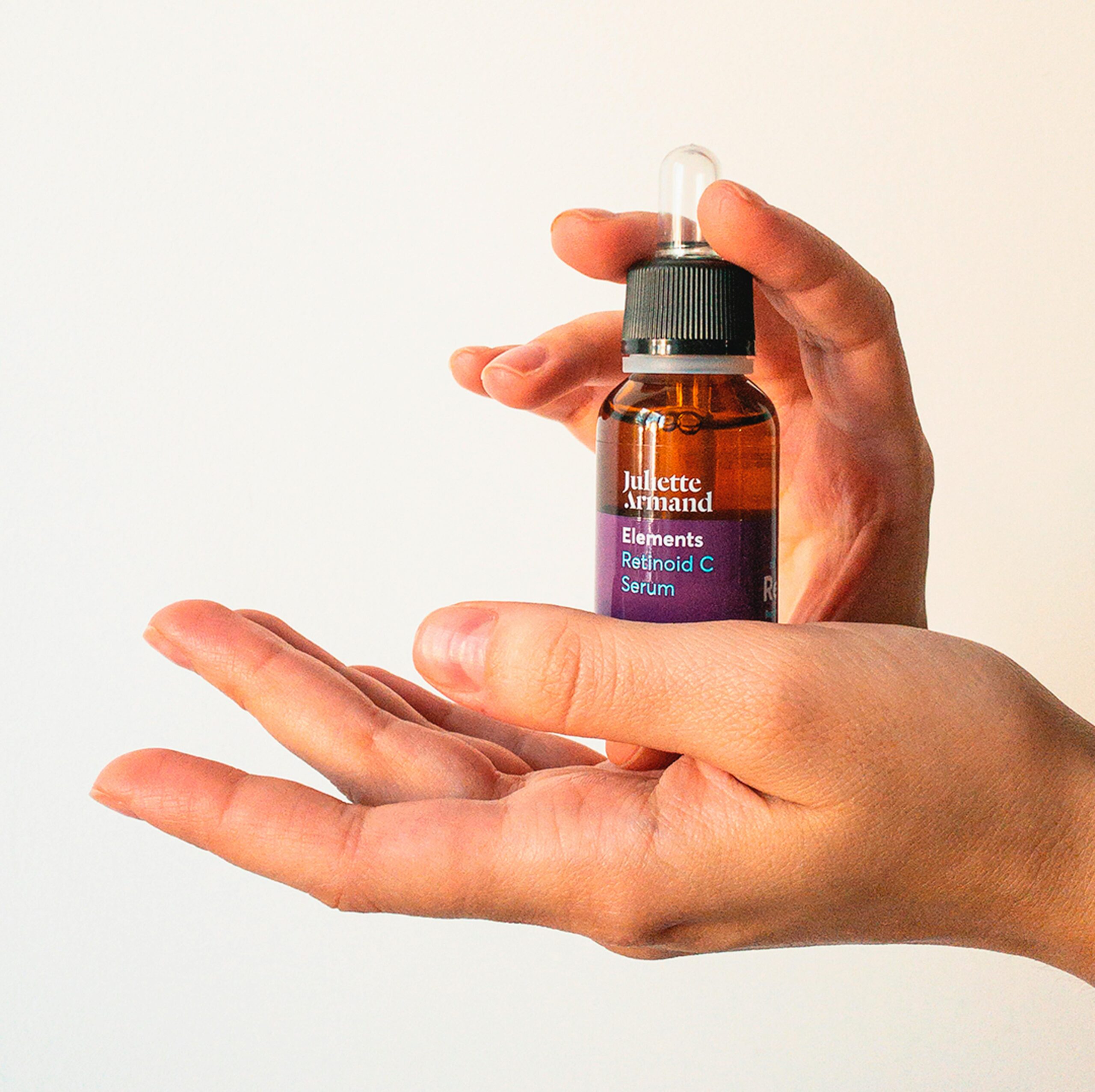
Not all retinol or retinal products are created equal. Formulation quality significantly impacts stability, penetration, and effectiveness. Look for products packaged in opaque, airless pump bottles that protect these light- and air-sensitive ingredients from degradation.
Concentration also requires consideration. Retinol products typically range from 0.25% to 1%, with beginners starting at lower percentages. Retinal formulations usually contain 0.05% to 0.1%, with lower concentrations still delivering impressive results due to superior conversion efficiency.
The Cost-Benefit Analysis 💰
Price differences between retinol and retinal products can be substantial. High-quality retinol serums range from $15 to over $100, while retinal products typically start around $30 and can exceed $150 for premium formulations.
However, cost should be weighed against potential value. If retinal delivers results twice as fast as retinol, the higher upfront cost might be justified by reduced waiting time and fewer products used during the adjustment period. Conversely, if you’re building a preventative routine without urgent concerns, affordable retinol might offer better long-term value.
Real Results: What to Actually Expect 📊
Setting realistic expectations prevents disappointment and premature product abandonment. Neither retinol nor retinal works overnight—patience is essential for any vitamin A derivative.
With consistent retinol use, expect visible improvements in skin texture and tone around the 8-12 week mark. Fine lines soften, hyperpigmentation fades, and overall radiance improves. Deeper wrinkles and significant sun damage require 6-12 months of dedicated use for noticeable improvement.
Retinal users often report similar improvements in roughly half the time—around 4-8 weeks for initial changes and 3-6 months for more dramatic transformation. However, individual results vary based on age, skin condition, product concentration, and application consistency.
Your Personalized Path to Glowing Skin 🌟
The retinol versus retinal debate doesn’t have a universal winner—only a personal best choice based on your unique skin needs, goals, and circumstances. Both ingredients deliver proven results backed by decades of scientific research and real-world success stories.
If you’re new to retinoids, starting with retinol offers a gentler introduction to this powerful ingredient family. Once comfortable, graduating to retinal provides enhanced potency without requiring a prescription. Some skincare enthusiasts even alternate between the two, using retinol for maintenance and retinal during intensive treatment phases.
Remember that consistency trumps potency when it comes to retinoid success. The best vitamin A derivative is the one you’ll actually use regularly, tolerate well, and incorporate sustainably into your long-term skincare routine. Your skin glow-up journey is personal—choose the path that feels right for you, commit to the process, and trust that transformative results will follow with time and patience.