Achieving radiant, healthy skin isn’t just about expensive products—it’s about understanding what your skin truly needs. The secret lies in three powerful ingredients that work together harmoniously.

If you’ve ever felt confused standing in front of endless skincare products, wondering which moisturizer actually works, you’re not alone. The skincare industry throws countless terms at us, but understanding humectants, emollients, and occlusives can revolutionize your approach to hydration. These three categories of ingredients form the foundation of effective moisturization, each playing a distinct yet complementary role in maintaining your skin’s health and appearance. By mastering how they work individually and together, you’ll finally unlock the path to that coveted glowing, supple complexion you’ve been chasing.
The Science Behind Skin Hydration 💧
Before diving into the three heroes of hydration, it’s essential to understand what skin hydration actually means. Your skin’s outermost layer, the stratum corneum, acts as a protective barrier between your body and the environment. When this barrier functions optimally, it retains moisture while keeping irritants and harmful substances out. However, various factors—including weather, age, lifestyle choices, and harsh products—can compromise this barrier, leading to dehydration, flakiness, sensitivity, and premature aging.
Proper hydration isn’t simply about adding water to your skin. It involves a sophisticated balance of attracting moisture, sealing it in, and smoothing the skin’s surface. This is precisely where humectants, emollients, and occlusives come into play, each addressing different aspects of the hydration equation.
Humectants: The Moisture Magnets
Humectants are hygroscopic substances that attract and bind water molecules from both the environment and the deeper layers of your skin. Think of them as moisture magnets that draw hydration to where it’s needed most. These ingredients are particularly beneficial for dehydrated skin that lacks water content rather than oil.
How Humectants Work Their Magic ✨
When you apply a humectant to your skin, it pulls water from two sources: the atmosphere around you (when humidity levels are above 70%) and from the dermis, the deeper layer beneath your skin’s surface. This dual-action mechanism makes humectants incredibly effective at boosting skin’s water content. However, there’s an important caveat: in very dry climates with low humidity, humectants might actually pull too much moisture from the deeper skin layers, potentially causing further dehydration if not sealed properly with occlusives.
Popular Humectant Ingredients to Look For
- Hyaluronic Acid: The superstar humectant that can hold up to 1,000 times its weight in water, instantly plumping fine lines and creating a dewy appearance
- Glycerin: A gentle, effective humectant suitable for all skin types that helps strengthen the skin barrier
- Propylene Glycol: A powerful moisture-binder commonly found in serums and toners
- Aloe Vera: A natural humectant with additional soothing and healing properties
- Honey: A natural humectant with antimicrobial benefits, perfect for acne-prone skin
- Urea: Not only attracts moisture but also acts as a gentle exfoliant
- Alpha Hydroxy Acids (AHAs): Glycolic and lactic acids provide humectant properties while exfoliating
Best Practices for Using Humectants
For maximum effectiveness, apply humectant-rich products to damp skin immediately after cleansing. This technique, called “wet application,” gives humectants more water molecules to grab onto. Always follow with an occlusive layer to prevent the attracted moisture from evaporating back into the air. This layering strategy is especially crucial in air-conditioned environments or dry climates where humidity levels are low.
Emollients: The Skin Smoothers
While humectants focus on hydration, emollients target the texture and feel of your skin. These ingredients fill in the microscopic cracks between skin cells, creating a smooth, soft surface. Emollients work by lipid replacement, essentially supplementing the natural fats in your skin that may be depleted due to aging, over-cleansing, or environmental damage.
The Transformative Power of Emollients 🌟
Emollients don’t just make skin feel nice—they play a crucial role in barrier repair. When the spaces between your skin cells are properly filled with lipids, your barrier functions more effectively, reducing transepidermal water loss (TEWL) and protecting against irritants. This makes emollients particularly valuable for people with eczema, psoriasis, or sensitized skin conditions.
Types of Emollient Ingredients
Emollients come in various forms, from lightweight oils to heavier butters, allowing you to customize based on your skin type and concerns:
- Ceramides: Naturally occurring lipids that are identical to those in your skin barrier, making them highly effective for restoration
- Fatty Acids: Including omega-3 and omega-6, which help repair and strengthen the skin barrier
- Squalane: A lightweight oil derived from olives or sugarcane that mimics your skin’s natural sebum
- Plant Oils: Jojoba, argan, rosehip, and marula oils provide emollient benefits with additional antioxidants
- Shea Butter: A rich emollient ideal for very dry skin or targeted dry patches
- Cholesterol: Works synergistically with ceramides to repair barrier damage
- Dimethicone: A silicone-based emollient that creates an exceptionally smooth finish
Choosing Emollients for Your Skin Type
Not all emollients are created equal, and selecting the right ones for your skin type makes a significant difference. Oily or acne-prone skin benefits from lightweight options like squalane or gel-based emollients. Dry or mature skin thrives with richer emollients such as plant butters and ceramide-packed formulas. Combination skin may require a strategic approach, using lighter emollients on oily zones and richer ones on dry areas.
Occlusives: The Protective Seal
Occlusives are the final piece of the hydration puzzle, creating a physical barrier on the skin’s surface that prevents water loss. While humectants attract moisture and emollients smooth texture, occlusives lock everything in place. These ingredients typically have a larger molecular structure that sits on top of the skin rather than penetrating deeply.
Understanding Occlusive Action 🛡️
Occlusives work by forming a hydrophobic (water-repelling) layer on the skin’s surface, reducing transepidermal water loss by up to 98% in some cases. This sealing action is why occlusives are often recommended as the final step in your skincare routine, applied over humectants and emollients to maximize their effectiveness.
Common Occlusive Ingredients
- Petrolatum (Petroleum Jelly): The most effective occlusive, preventing almost all water loss but can feel heavy
- Mineral Oil: A lighter alternative to petrolatum with excellent sealing properties
- Beeswax: A natural occlusive that also provides some emollient benefits
- Dimethicone: Functions as both an emollient and mild occlusive, suitable for oily skin
- Lanolin: Derived from sheep’s wool, highly effective but potential allergen for some
- Plant Waxes: Candelilla and carnauba wax offer natural occlusive properties
- Silicones: Various forms create breathable occlusive barriers
When and How to Use Occlusives
Timing matters with occlusives. Apply them as your final skincare step to seal in all the beneficial ingredients you’ve layered underneath. For extremely dry skin or during winter months, consider “slugging”—applying a thin layer of petroleum jelly as an overnight treatment. However, if you’re acne-prone, use caution with heavy occlusives on your entire face, focusing instead on dry patches while opting for lighter, non-comedogenic options elsewhere.
The Perfect Trio: Layering for Maximum Hydration
Understanding these three ingredient categories individually is valuable, but the real magic happens when you layer them correctly. The proper sequence ensures each ingredient type can perform its function without interference from the others.
The Optimal Layering Sequence
Start with freshly cleansed, damp skin. First, apply your humectant-rich products—think hyaluronic acid serums or glycerin-based toners. These lightweight, water-based products should go on first to attract moisture. Next, apply emollient products such as facial oils, ceramide creams, or nourishing lotions to smooth and soften. Finally, seal everything with an occlusive moisturizer or targeted treatment to prevent moisture loss.
Customizing Your Routine by Season and Climate
Your hydration needs aren’t static—they change with seasons, climates, and even indoor heating or air conditioning. During humid summer months, you might rely heavily on humectants with lighter emollients and minimal occlusives. In dry winter conditions, you’ll want to boost occlusives significantly while still maintaining humectants and emollients. Traveling to different climates also requires routine adjustments for optimal skin health.
Decoding Product Labels Like a Pro 🔍
Now that you understand the three categories, you can become a savvy skincare shopper. Ingredient lists on products are ordered by concentration, with highest percentages listed first. Look for humectants like hyaluronic acid or glycerin in the first five to seven ingredients. Quality moisturizers typically contain a balanced combination of all three categories.
Be aware that some ingredients serve multiple functions. For example, certain plant oils act as both emollients and mild occlusives, while some silicones provide emollient smoothness with occlusive sealing. This multifunctionality is why single products can effectively address multiple hydration needs.
Common Mistakes That Sabotage Hydration
Even with the right ingredients, poor application techniques can undermine your efforts. One frequent mistake is applying humectants to completely dry skin in low-humidity environments—this can actually pull moisture from deeper skin layers, causing dehydration. Another error is using only occlusives without humectants or emollients underneath; you’re simply sealing in dryness rather than hydration.
Over-exfoliating is another culprit that damages your moisture barrier, making it harder for your skin to retain hydration regardless of the products you use. Additionally, taking very hot showers strips natural oils, compromising your skin’s ability to maintain moisture. Finally, skipping sunscreen allows UV damage to degrade the structural proteins and lipids that keep skin hydrated and resilient.
Tailoring Your Approach to Specific Skin Concerns
For Dehydrated Skin
Focus heavily on humectants, layering multiple hyaluronic acid products of different molecular weights for multi-depth hydration. Follow with balanced emollients and don’t skip occlusives, even if your skin is oily—dehydration and oiliness often coexist.
For Dry, Flaky Skin
Emphasize rich emollients like ceramides and plant butters to repair barrier damage, combined with substantial occlusives to prevent moisture loss. Humectants remain important but shouldn’t be your sole focus.
For Aging Skin
Mature skin benefits from all three categories but particularly needs emollients and occlusives, as natural lipid production decreases with age. Incorporate humectants with additional anti-aging benefits, such as lactic acid or niacinamide.
For Acne-Prone Skin
Don’t skip moisturization—dehydration can trigger excess oil production. Choose lightweight humectants like hyaluronic acid, non-comedogenic emollients such as squalane, and breathable occlusives like dimethicone. Avoid heavy petrolatum-based products on acne-prone areas.
Beyond Face Care: Body and Hand Hydration
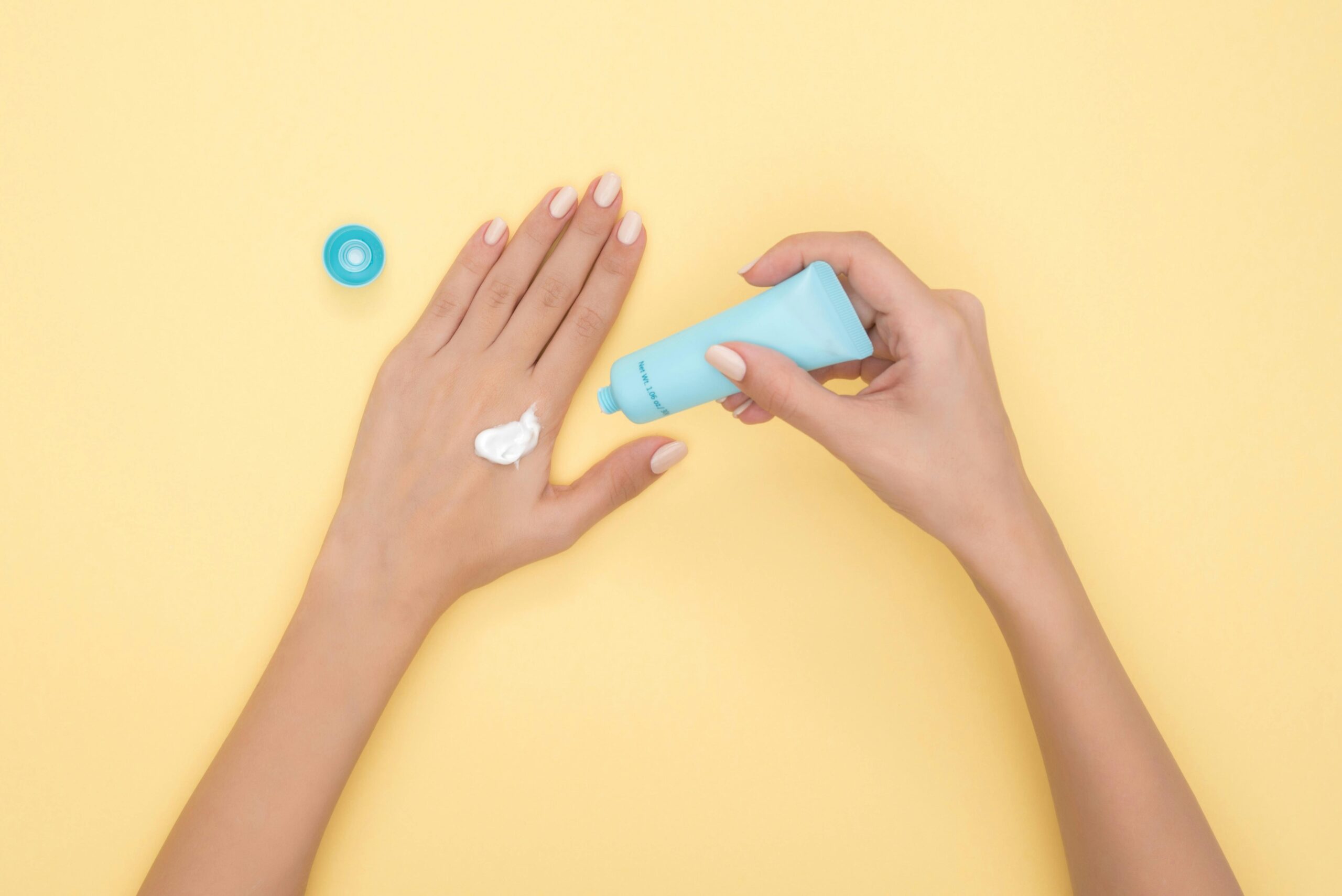
The principles of humectants, emollients, and occlusives apply equally to body care. Your hands, frequently washed and exposed to harsh conditions, benefit enormously from this tri-layer approach. After washing, apply a humectant-rich hand serum, follow with an emollient hand cream, and seal with a thin layer of occlusive balm for protection that lasts.
For body care, applying emollient-rich lotions to damp skin immediately after showering maximizes humectant action from the residual water. In winter, add an occlusive body oil or balm to especially dry areas like elbows, knees, and feet for intensive repair.
The Future of Hydration: Emerging Ingredients and Technologies 🚀
Skincare science continues advancing, bringing innovative ingredients that blur the lines between categories or enhance their effectiveness. Polyglutamic acid, for instance, is an emerging humectant that reportedly holds even more water than hyaluronic acid. Biomimetic lipids that precisely replicate skin’s natural barrier composition offer superior emollient action. Encapsulation technologies are improving ingredient delivery and stability, ensuring active ingredients reach their target destinations.
Creating Your Personalized Hydration Strategy
Armed with this knowledge, you can now construct a skincare routine tailored precisely to your skin’s needs. Start by assessing your current skin condition honestly. Is it dehydrated (lacking water), dry (lacking oil), or both? Does it feel rough or look dull? Are there signs of barrier damage like sensitivity or redness?
Based on your assessment, select products containing the right balance of humectants, emollients, and occlusives. Remember that effective skincare doesn’t require dozens of products—a well-formulated cleanser, a humectant serum, and a moisturizer containing both emollients and occlusives can provide complete hydration for many people.
Give your new routine at least four weeks to show results, as this is roughly one complete skin cell turnover cycle. Take progress photos and notes about how your skin feels and looks. Adjust ratios seasonally and as your skin’s needs evolve. Consistency matters more than perfection, so develop a routine you’ll actually stick with rather than an elaborate regimen that feels overwhelming.
Perfect skin isn’t about perfection at all—it’s about understanding what your unique skin needs and providing those specific elements. By mastering the trio of humectants, emollients, and occlusives, you’ve unlocked the fundamental secret to lasting hydration and healthy, radiant skin. This knowledge empowers you to make informed choices, cut through marketing hype, and finally achieve the comfortable, glowing complexion you deserve. Your skin is your largest organ; treat it with the intelligent care this understanding now makes possible.