When it comes to achieving glowing, radiant skin, chemical exfoliants have become the gold standard in modern skincare routines. Among these powerhouse ingredients, BHA and AHA stand out as the most effective options for transforming your complexion.

Understanding the difference between these two types of hydroxy acids can be the key to unlocking your best skin yet. While both work to exfoliate and renew skin cells, they function in distinctly different ways and target specific skin concerns. This comprehensive guide will walk you through everything you need to know about BHA vs AHA, helping you make informed decisions about which ingredient is right for your unique skin type and concerns.
What Are Hydroxy Acids and Why Do They Matter? ✨
Hydroxy acids are a category of chemical exfoliants that work by breaking down the bonds between dead skin cells, allowing them to shed more easily. Unlike physical exfoliants that manually scrub away dead skin, chemical exfoliants work at a molecular level to reveal fresher, smoother skin underneath.
The beauty industry has embraced these ingredients because they deliver visible results without the harsh scrubbing that can damage the skin barrier. Both BHA and AHA have been extensively studied and proven effective in clinical settings, making them reliable choices for anyone seeking to improve their skin texture, tone, and overall appearance.
These acids have become staples in dermatologist offices and home skincare routines alike, offering professional-level results that were once only available through in-office treatments. The key to success lies in understanding which type works best for your specific needs.
Breaking Down BHA: The Oil-Soluble Powerhouse 🔬
Beta Hydroxy Acid, commonly known as BHA, is primarily represented by salicylic acid in skincare formulations. The defining characteristic of BHA is its oil-soluble nature, which allows it to penetrate deep into pores and work its magic from within.
This lipophilic property makes BHA particularly effective for those dealing with oily skin, acne, blackheads, and enlarged pores. Because it can dissolve in oil, BHA travels through the sebum that fills your pores, exfoliating from the inside out and preventing clogs before they become problematic.
Key Benefits of BHA for Your Skin
Salicylic acid offers multiple benefits that make it a favorite among dermatologists and skincare enthusiasts. It’s naturally anti-inflammatory, which means it can calm redness and irritation while simultaneously treating the underlying causes of acne. This dual action makes it gentler than many people expect.
BHA also has antibacterial properties that help combat acne-causing bacteria on the skin’s surface and within pores. For those struggling with persistent breakouts, this characteristic alone can be transformative. The ingredient works to reduce both the number and severity of blemishes over time.
Another significant advantage is BHA’s ability to regulate sebum production. By keeping pores clear and reducing oil buildup, it helps prevent future breakouts while addressing current concerns. This makes it an excellent choice for long-term acne management.
Understanding AHA: The Water-Soluble Skin Refiner 🌟
Alpha Hydroxy Acids, or AHAs, are a group of water-soluble acids that work primarily on the skin’s surface. The most common AHAs in skincare include glycolic acid, lactic acid, mandelic acid, and citric acid, each with slightly different molecular sizes and strengths.
Because AHAs are water-soluble, they work on the uppermost layers of skin, gently dissolving the bonds that hold dead skin cells together. This surface-level action makes them exceptional for addressing concerns like dullness, uneven texture, fine lines, and hyperpigmentation.
The Multiple Forms of AHA
Glycolic acid is the smallest AHA molecule, which allows it to penetrate deeply and deliver powerful results. It’s particularly effective for anti-aging concerns and can significantly improve skin texture. However, its small size also means it can be more irritating for sensitive skin types.
Lactic acid is slightly larger and gentler, making it suitable for those with sensitive skin or those new to chemical exfoliation. It also has humectant properties, meaning it helps skin retain moisture while exfoliating. This dual benefit makes lactic acid a popular choice for dry or dehydrated skin.
Mandelic acid has the largest molecular structure among common AHAs, making it the gentlest option. It works more slowly but can be perfect for those with reactive skin or darker skin tones concerned about post-inflammatory hyperpigmentation.
The Critical Differences: BHA vs AHA Side by Side 📊
While both BHA and AHA are chemical exfoliants, their differences are significant and determine which one will work best for your specific skin concerns. Understanding these distinctions is crucial for building an effective skincare routine.
| Feature | BHA (Salicylic Acid) | AHA (Glycolic, Lactic, etc.) |
|---|---|---|
| Solubility | Oil-soluble | Water-soluble |
| Penetration | Deep into pores | Surface layers only |
| Best For | Oily, acne-prone skin | Dry, sun-damaged, aging skin |
| Primary Action | Unclogs pores | Surface exfoliation |
| Additional Benefits | Anti-inflammatory, antibacterial | Brightening, anti-aging |
| Sun Sensitivity | Moderate increase | Significant increase |
The molecular structure of these acids determines not just how they work, but also their side effects and who should use them. BHA’s ability to work within oil-filled pores makes it irreplaceable for acne treatment, while AHA’s surface action makes it superior for texture and tone concerns.
Matching Acids to Your Skin Type: A Personalized Approach 💆♀️
Choosing between BHA and AHA starts with honestly assessing your skin type and primary concerns. While some people benefit from using both acids, starting with the one most suited to your needs will yield the best results with minimal irritation.
For Oily and Acne-Prone Skin
If you struggle with blackheads, whiteheads, or persistent acne, BHA should be your first choice. Its ability to penetrate oily pores makes it uniquely suited to prevent and treat breakouts. Start with a concentration between 0.5% and 2% salicylic acid, applying it after cleansing and before moisturizing.
Those with combination skin that experiences oiliness in the T-zone but dryness elsewhere can spot-treat with BHA in oily areas while using gentler products on dry patches. This targeted approach maximizes benefits while minimizing potential irritation.
For Dry, Mature, or Sun-Damaged Skin
AHAs are the clear winner for addressing signs of aging, sun damage, and dullness. Glycolic acid at concentrations between 5% and 10% can dramatically improve fine lines and skin texture. For more sensitive or dry skin, lactic acid at similar concentrations offers gentler exfoliation with added hydration benefits.
Mature skin often shows the most dramatic improvements with AHA use, as these acids stimulate collagen production and accelerate cell turnover. This reveals younger-looking skin while addressing pigmentation issues that commonly develop with age.
For Sensitive Skin Concerns
Sensitive skin requires a cautious approach to chemical exfoliation. Mandelic acid is often the best AHA choice due to its larger molecular size and slower penetration. Alternatively, low-concentration lactic acid (5% or less) can provide gentle exfoliation without overwhelming reactive skin.
Some sensitive skin types may tolerate BHA better than AHA, as salicylic acid’s anti-inflammatory properties can actually calm irritation. Testing small amounts on a limited area before full-face application is essential for avoiding adverse reactions.
How to Incorporate BHA and AHA Into Your Routine 📅
Introducing chemical exfoliants requires patience and strategy. Starting slowly prevents irritation and allows your skin to build tolerance, ultimately leading to better long-term results than jumping in with daily use immediately.
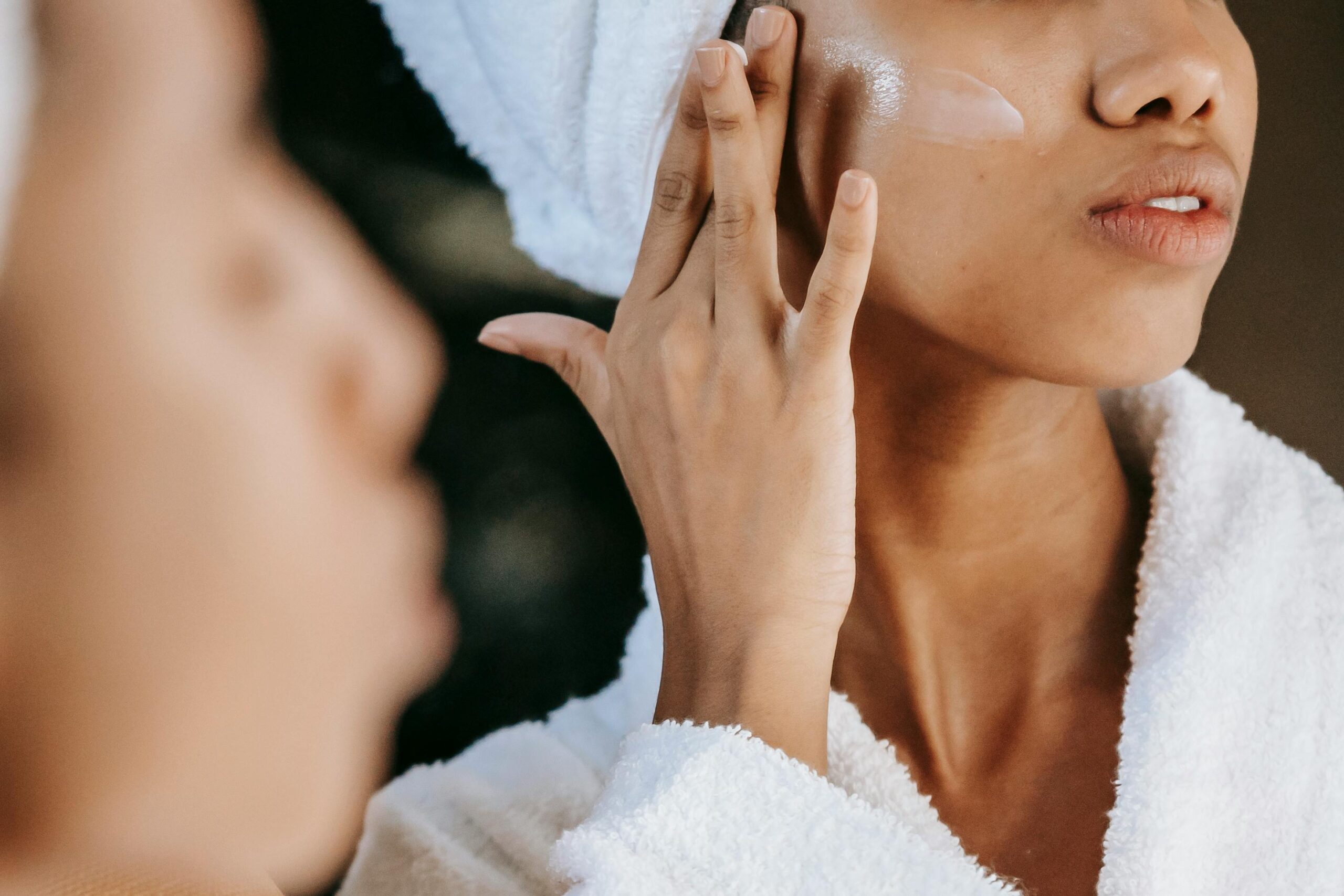
Begin by using your chosen acid just once or twice per week in the evening. Evening application is preferred because it allows your skin time to recover overnight and minimizes sun exposure on freshly exfoliated skin. After cleansing and patting dry, apply a thin layer of your BHA or AHA product, wait a few minutes for it to absorb, then follow with your regular moisturizer.
Building Tolerance Over Time
After two to three weeks of using your acid twice weekly without irritation, you can gradually increase frequency to every other night. Eventually, some skin types can tolerate daily use, though this isn’t necessary for everyone to see excellent results.
Listen to your skin throughout this process. Signs of over-exfoliation include persistent redness, increased sensitivity, burning sensations, or excessive dryness. If you experience these symptoms, reduce frequency immediately and give your skin barrier time to recover.
Combining BHA and AHA: Is It Possible?
Yes, some people successfully use both BHA and AHA in their routines, but this requires careful planning. The safest approach is alternating them on different days rather than layering them together, which can be too harsh for most skin types.
For example, you might use BHA on Monday, Wednesday, and Friday nights, while using AHA on Tuesday and Thursday nights. This schedule provides comprehensive exfoliation benefits without overwhelming your skin. Always maintain strong sun protection when using either acid, but especially when combining them.
Supporting Your Exfoliation Routine: Essential Companions 🛡️
Chemical exfoliants work best when supported by complementary skincare products. Sun protection becomes absolutely non-negotiable when using AHAs or BHAs, as freshly exfoliated skin is more vulnerable to UV damage.
Apply a broad-spectrum SPF 30 or higher every single morning, even on cloudy days or when staying indoors. AHAs in particular significantly increase photosensitivity, making diligent sun protection essential for preventing damage and hyperpigmentation.
Hydration and Barrier Support
Exfoliation can be temporarily drying, so incorporating hydrating ingredients helps maintain skin comfort and health. Look for products containing hyaluronic acid, glycerin, or ceramides to support your skin barrier while reaping the benefits of chemical exfoliation.
A good moisturizer applied after your acid has absorbed creates a protective seal that locks in hydration and prevents trans-epidermal water loss. This step is crucial for preventing the tightness and flaking that sometimes accompanies exfoliation, especially during the adjustment period.
Common Mistakes to Avoid on Your Glow Journey ⚠️
Even with the right products, certain mistakes can sabotage your results or cause unnecessary irritation. Being aware of these common pitfalls helps you maintain healthy, radiant skin throughout your exfoliation journey.
Over-exfoliation tops the list of mistakes. More isn’t always better with chemical exfoliants, and using them too frequently can damage your skin barrier, leading to increased sensitivity, breakouts, and inflammation. If your skin feels constantly irritated or looks red and raw, you’re likely overdoing it.
Another common error is combining too many active ingredients at once. Using retinoids, vitamin C, and multiple acids simultaneously often causes more problems than it solves. Build your routine gradually, introducing one active ingredient at a time and allowing several weeks to assess its effects before adding another.
Neglecting pH Considerations
For chemical exfoliants to work effectively, pH matters significantly. AHAs work best at a pH between 3 and 4, while BHA functions optimally between 3 and 4.5. Using highly alkaline cleansers immediately before applying acids can neutralize their effectiveness.
If you’re not seeing results from your exfoliant, consider whether your other products might be interfering with its pH. Alternatively, look for pH-adjusting toners designed to prepare skin for acid application, though many modern formulations are already optimized for effectiveness.
Tracking Progress and Adjusting Your Approach 📈
Visible improvements from chemical exfoliants typically appear within four to eight weeks of consistent use. Taking progress photos under similar lighting conditions helps you objectively track changes that might be subtle day-to-day but significant over time.
Keep notes about which products you’re using, how often, and any reactions you experience. This record becomes invaluable for identifying what works for your unique skin and what might need adjustment. It also helps when consulting with dermatologists about your skincare routine.
Remember that skin improvement is rarely linear. You might experience an initial purging period, especially with BHA, as it brings existing congestion to the surface more quickly. This temporary phase typically resolves within a few weeks, revealing clearer skin beneath.
Beyond the Basics: Advanced Exfoliation Strategies 🎯
Once you’ve established tolerance to basic BHA or AHA products, you might explore higher concentrations or professional treatments. At-home chemical peels with concentrations up to 30% are available, though they require careful use and thorough research.
Professional treatments from dermatologists or licensed aestheticians can provide even stronger concentrations for dramatic results. These treatments are particularly effective for stubborn concerns like deep acne scarring, significant sun damage, or pronounced signs of aging that haven’t responded to at-home treatments.
However, higher concentrations aren’t necessary for everyone. Many people achieve their glow goals with consistent use of moderate-strength products, making patience and consistency more important than aggressive treatments.
Your Path to Radiant, Healthy Skin Starts Now 🌈
Understanding the differences between BHA and AHA empowers you to make informed choices about your skincare routine. Whether you choose salicylic acid for its pore-clearing prowess or opt for glycolic or lactic acid to address texture and tone, chemical exfoliation offers proven results for multiple skin concerns.
Start with the acid that best matches your primary skin concern, introduce it gradually, support it with proper hydration and sun protection, and give it time to work. The journey to radiant skin requires patience, but the transformation that consistent, appropriate chemical exfoliation delivers is worth every step.
Your skin is unique, and what works perfectly for someone else might not suit you. Pay attention to how your skin responds, adjust accordingly, and don’t hesitate to consult a dermatologist if you have questions or concerns. With the right approach, BHA and AHA can become powerful allies in achieving the glowing, confident skin you’ve always wanted.