Healthy, glowing skin isn’t just about the right products—it’s about understanding what your skin truly needs to thrive and maintain its natural protective barrier.

Every day, your skin faces countless challenges from environmental stressors, harsh weather conditions, and even the products you use. The secret to combating these factors and achieving that coveted radiant complexion lies in understanding one crucial component: ceramides. These lipid molecules, along with other barrier-boosting ingredients, form the foundation of skin health that many people overlook. When your skin barrier is compromised, you might experience dryness, sensitivity, irritation, and premature aging. But when it’s fortified and functioning optimally, your skin becomes resilient, hydrated, and naturally luminous.
🧬 What Are Ceramides and Why Does Your Skin Need Them?
Ceramides are naturally occurring lipid molecules that make up approximately 50% of your skin’s outer layer, known as the stratum corneum. Think of them as the mortar between bricks—the bricks being your skin cells—that holds everything together and creates a protective shield against external aggressors while preventing moisture loss from within.
Your skin naturally produces ceramides, but various factors can deplete these essential lipids over time. Age, sun exposure, harsh cleansers, environmental pollution, and certain skin conditions can all reduce ceramide levels. When this happens, your skin barrier weakens, leading to increased water loss, vulnerability to irritants, and a compromised defense system against bacteria and environmental damage.
There are nine different types of ceramides in human skin, each playing a specific role in maintaining barrier function. Ceramides 1, 3, and 6-II are particularly important for skin health and are commonly found in skincare formulations. These molecules work synergistically with other natural moisturizing factors to create a robust, healthy skin barrier that keeps your complexion looking youthful and radiant.
The Science Behind Your Skin Barrier: More Than Just a Surface
Your skin barrier, also called the moisture barrier or lipid barrier, is your body’s first line of defense against the outside world. This sophisticated system doesn’t just sit on the surface—it’s a complex structure composed of corneocytes (skin cells) surrounded by a lipid matrix containing ceramides, cholesterol, and fatty acids in precise ratios.
When functioning properly, this barrier performs several critical functions. It prevents transepidermal water loss (TEWL), keeping your skin hydrated from within. It blocks harmful substances, allergens, and pathogens from penetrating deeper skin layers. It maintains optimal pH levels that support beneficial skin microbiome. And it protects against oxidative stress caused by UV radiation and pollution.
A compromised barrier manifests in various ways: persistent dryness regardless of how much moisturizer you apply, increased sensitivity to products that never bothered you before, rough texture and visible flaking, redness and inflammation, more pronounced fine lines, and increased susceptibility to breakouts and infections. Understanding these signs helps you recognize when your skin needs barrier-repair support.
💧 Barrier-Boosting Ingredients That Work Alongside Ceramides
While ceramides are essential, they work best when combined with complementary ingredients that support overall barrier function. Creating a comprehensive barrier-repair routine means incorporating various components that address different aspects of skin health.
Cholesterol and Fatty Acids: The Perfect Trio
Research shows that the optimal ratio of ceramides, cholesterol, and fatty acids is crucial for barrier repair. Cholesterol fills gaps in the lipid barrier and enhances ceramide function, while fatty acids like linoleic acid and oleic acid provide structural support and anti-inflammatory benefits. Products formulated with this “physiological lipid ratio” deliver superior barrier-repair results compared to those containing ceramides alone.
Niacinamide: The Multitasking Powerhouse
Niacinamide, also known as vitamin B3, stimulates natural ceramide production in your skin. This ingredient doesn’t just supplement ceramide levels—it encourages your skin to produce more on its own. Additionally, niacinamide strengthens the barrier, reduces inflammation, regulates sebum production, and improves overall skin texture. Concentrations between 2-5% are effective for most skin types.
Hyaluronic Acid and Glycerin: Hydration Heroes
These humectants draw water into the skin and help maintain hydration levels. While they don’t directly repair the barrier structure, they create optimal conditions for barrier function and prevent dehydration that can worsen barrier damage. Hyaluronic acid can hold up to 1000 times its weight in water, making it an invaluable addition to barrier-supportive routines.
Peptides: Building Blocks for Repair
Certain peptides signal your skin to increase production of barrier components and accelerate repair processes. Palmitoyl tripeptide-1 and palmitoyl tetrapeptide-7 are particularly effective at stimulating ceramide synthesis and supporting the skin’s natural regeneration cycle.
🌿 Natural Oils Rich in Barrier-Supporting Nutrients
Plant-based oils can provide precursors and building blocks for ceramide production while offering immediate occlusive benefits that prevent water loss. However, not all oils are created equal when it comes to barrier support.
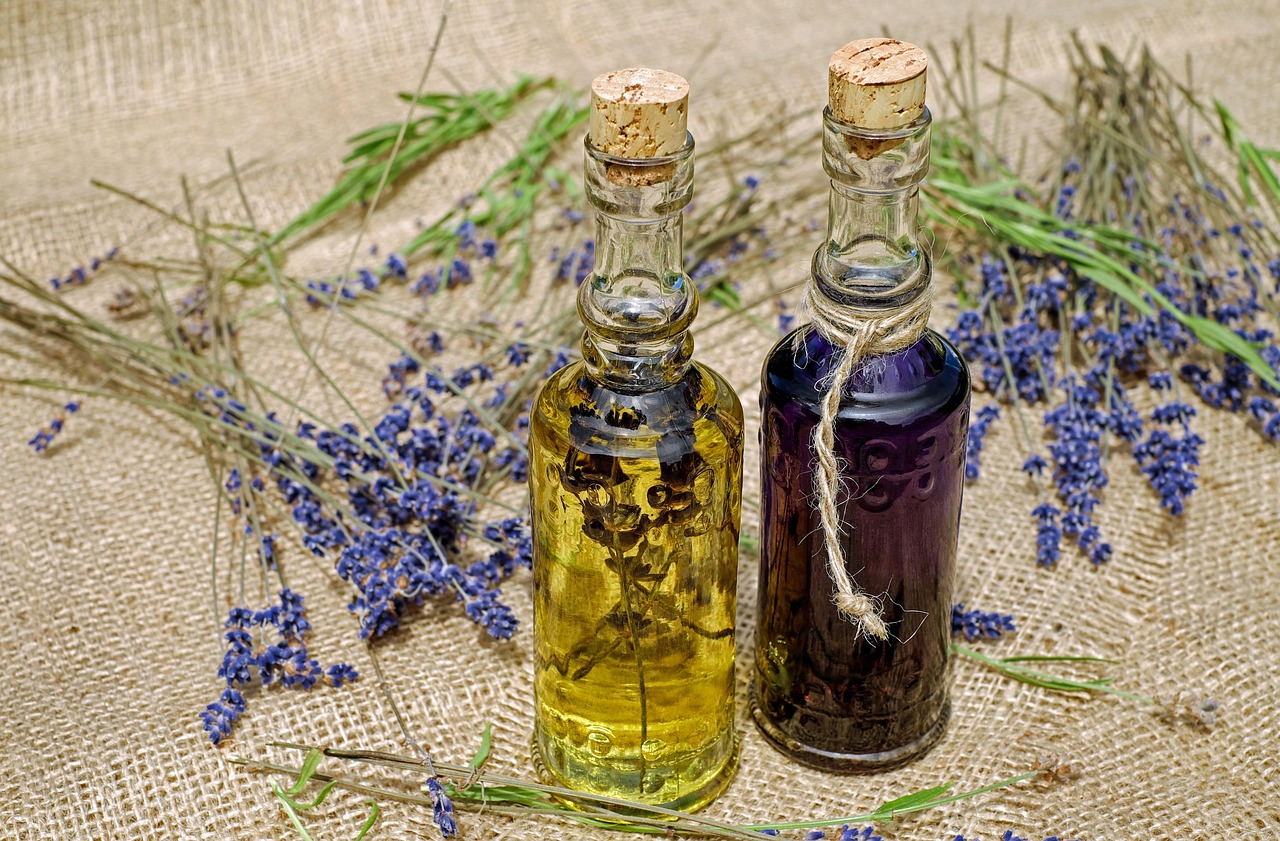
Sunflower seed oil is exceptionally high in linoleic acid, which helps restore barrier function and is particularly beneficial for acne-prone skin that often shows depleted linoleic acid levels. Jojoba oil closely mimics skin sebum composition and provides excellent moisturization without clogging pores. Rosehip oil contains essential fatty acids and natural retinoids that support barrier repair and skin regeneration.
Squalane, derived from olives or sugarcane, is a lightweight oil that integrates seamlessly into the skin barrier and provides antioxidant benefits. Marula oil offers high levels of omega fatty acids and antioxidants that protect and nourish the barrier. The key is choosing oils appropriate for your skin type and using them correctly—typically as the last step in your routine to seal in water-based products.
Building Your Barrier-Repair Skincare Routine
Creating an effective routine that supports your skin barrier requires strategic layering and careful product selection. The goal is to introduce barrier-supporting ingredients without overwhelming your skin or causing further irritation.
Morning Routine for Barrier Protection
Start with a gentle, non-stripping cleanser that maintains skin pH. Look for creamy or milky formulas without sulfates or harsh surfactants. Follow with a hydrating toner or essence containing humectants and soothing ingredients like centella asiatica or allantoin. These prep your skin for better absorption of subsequent products.
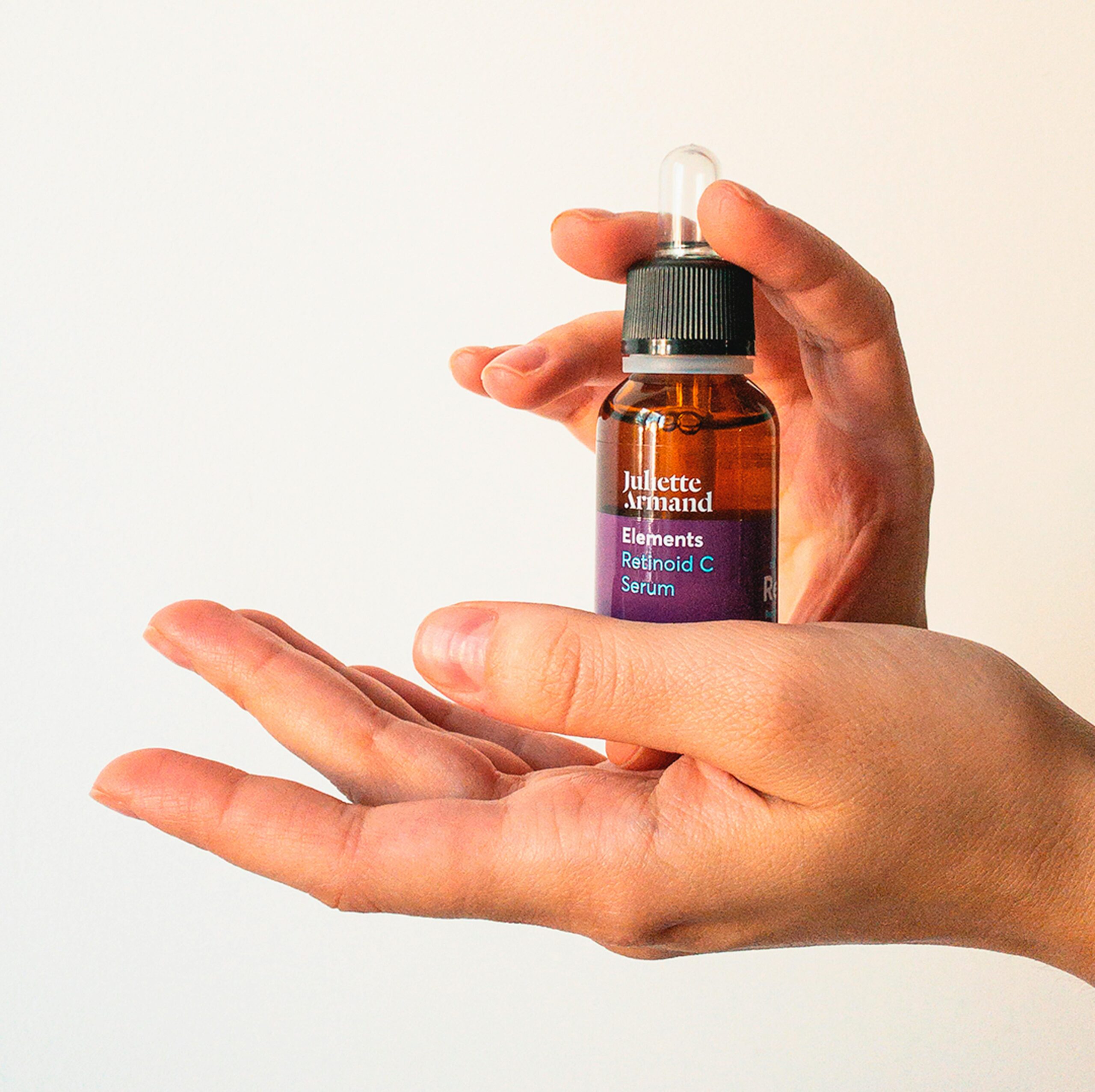
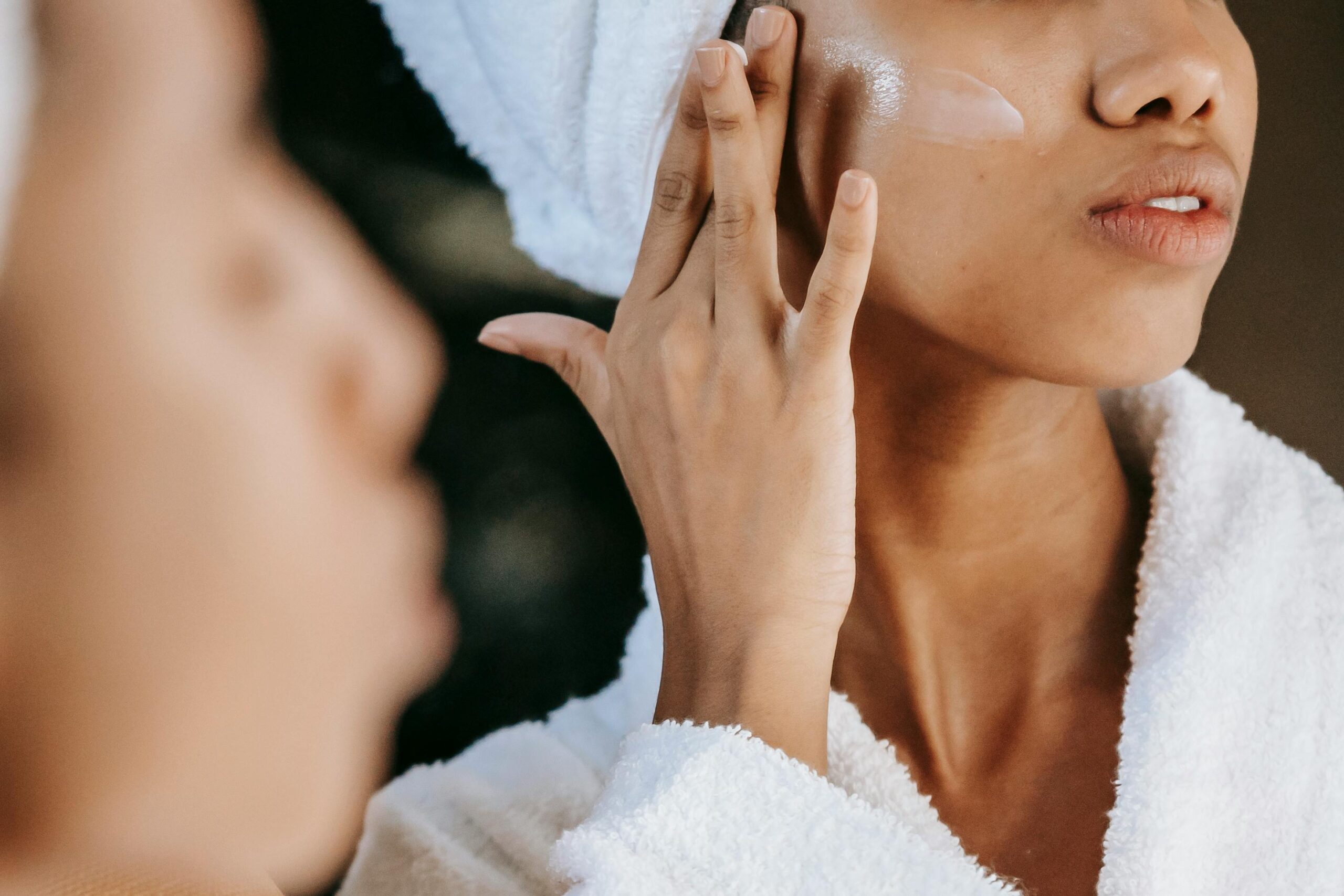
Apply a ceramide-rich serum or treatment that delivers concentrated barrier-supporting ingredients. These lightweight formulations penetrate deeply and provide targeted repair. Next, layer a moisturizer containing niacinamide, peptides, or additional ceramides to reinforce the barrier and lock in hydration. Choose textures appropriate for your skin type—lighter lotions for oily skin, richer creams for dry skin.
Always finish with broad-spectrum SPF 30 or higher. Sun damage is one of the primary causes of barrier degradation and ceramide depletion. Mineral sunscreens with zinc oxide or titanium dioxide can provide additional barrier-protective benefits and are less likely to irritate compromised skin.
Evening Routine for Barrier Repair
Begin with an oil-based cleanser if you wear makeup or sunscreen, followed by a gentle water-based cleanser. This double-cleansing method removes impurities without stripping the barrier. In the evening, your skin enters repair mode, making it the ideal time for intensive barrier-supporting treatments.
After cleansing, apply treatments with active ingredients if your barrier can tolerate them. However, if your barrier is severely compromised, temporarily pause potentially irritating actives like retinoids, AHAs, or BHAs until your skin rebuilds its defenses. Focus instead on repair-oriented ingredients.
Layer your ceramide treatment more generously in the evening, followed by a nourishing moisturizer. Consider adding a facial oil as your final step to create an occlusive seal that prevents overnight water loss. This “slugging” technique can significantly accelerate barrier repair when done correctly.
⚠️ Common Mistakes That Damage Your Skin Barrier
Even with the best intentions, certain habits can undermine your barrier-repair efforts and perpetuate the cycle of damage. Recognizing these mistakes helps you avoid setbacks and achieve faster results.
Over-exfoliation remains one of the most common barrier-disrupting behaviors. While exfoliation can improve skin texture and radiance, excessive use of chemical or physical exfoliants strips away protective lipids and damages the barrier structure. If you’re experiencing barrier issues, reduce exfoliation to once weekly or eliminate it temporarily.
Using hot water during cleansing strips natural oils and disrupts the lipid barrier. Always use lukewarm water and limit face-washing to twice daily. Over-cleansing, even with gentle products, can compromise your barrier by removing too many natural oils.
Layering too many active ingredients simultaneously overwhelms the skin and increases irritation risk. Vitamin C, retinoids, AHAs, BHAs—these powerful ingredients deliver results but can damage barriers when used excessively or in combination. During barrier repair, simplify your routine and reintroduce actives gradually.
Skipping moisturizer, especially if you have oily skin, deprives your barrier of essential support. Oily skin can still have a compromised barrier; in fact, barrier damage often triggers increased oil production as skin tries to compensate. Everyone needs appropriate moisturization.
Ignoring environmental factors like low humidity, harsh winds, and extreme temperatures accelerates barrier degradation. Use humidifiers in dry environments, protect your face in harsh weather, and adjust your routine seasonally to maintain barrier integrity.
🎯 Targeted Solutions for Different Skin Concerns
Barrier support isn’t one-size-fits-all. Different skin types and concerns require customized approaches to ceramide and barrier-boosting ingredient incorporation.
For Acne-Prone Skin
Contrary to popular belief, acne-prone skin benefits enormously from ceramide-rich products. Studies show that acne-affected skin often has compromised barrier function and reduced ceramide levels, particularly ceramide 1. Focus on lightweight, non-comedogenic ceramide serums and gel-cream moisturizers. Incorporate niacinamide, which addresses both barrier function and sebum regulation. Choose oils high in linoleic acid rather than oleic acid, as acne-prone skin typically shows linoleic acid deficiency.
For Sensitive and Reactive Skin
Sensitive skin typically indicates barrier dysfunction. Prioritize minimal, fragrance-free formulations with high concentrations of ceramides and soothing ingredients like colloidal oatmeal, centella asiatica, and feverfew. Avoid potential irritants including essential oils, alcohol, and fragrance. Introduce new products one at a time, waiting two weeks before adding another to identify any problematic ingredients.
For Mature Skin
Aging naturally depletes ceramide levels and thins the skin barrier. Mature skin benefits from richer formulations combining ceramides with peptides, retinoids (if tolerated), and antioxidants. Consider products specifically formulated for aging skin that contain higher percentages of barrier-supporting lipids. Layer adequately to compensate for reduced natural oil production.
For Dry and Dehydrated Skin
This skin type shows obvious barrier compromise and requires intensive hydration and lipid replenishment. Use multiple layers of hydrating products—essence, serum, and cream—all containing barrier-supporting ingredients. Incorporate occlusive ingredients like shea butter, ceramides, and plant oils in your evening routine. Consider overnight masks once or twice weekly for intensive treatment.
The Role of Lifestyle in Barrier Health
Skincare products alone cannot maintain optimal barrier function. Your lifestyle choices significantly impact your skin’s ability to produce ceramides and maintain barrier integrity.
Nutrition plays a fundamental role in skin health. Essential fatty acids from sources like salmon, walnuts, flaxseeds, and chia seeds provide building blocks for ceramide production. Vitamin-rich foods support overall skin function—vitamin C for collagen synthesis, vitamin E for antioxidant protection, and B vitamins for barrier support. Adequate protein intake ensures your body has amino acids necessary for skin repair.
Hydration from within complements topical efforts. Drinking sufficient water supports skin hydration and helps maintain the moisture gradient that keeps your barrier functioning properly. While individual needs vary, aim for at least eight glasses daily, adjusting for activity level and climate.
Quality sleep allows your skin to repair and regenerate. During deep sleep, cellular repair accelerates, and your skin produces more growth factors that support barrier function. Aim for 7-9 hours nightly and maintain consistent sleep schedules for optimal skin health.
Stress management matters more than you might think. Chronic stress elevates cortisol, which impairs barrier function, reduces ceramide production, and triggers inflammation. Incorporate stress-reduction techniques like meditation, yoga, or regular exercise to support skin health from the inside out.
✨ Measuring Your Progress and Adjusting Your Approach
Barrier repair doesn’t happen overnight. Setting realistic expectations and tracking progress helps maintain motivation and allows you to fine-tune your approach.
Initial improvements typically appear within 2-4 weeks. You might notice reduced tightness after cleansing, decreased sensitivity to products, and improved hydration. Significant barrier restoration usually requires 4-8 weeks of consistent routine adherence. During this time, continue focusing on repair rather than introducing potentially irritating actives.
Full barrier optimization can take 3-6 months, particularly if damage was severe or longstanding. Your skin should feel comfortable throughout the day, maintain hydration without constant reapplication, tolerate active ingredients without irritation, and show improved texture, tone, and resilience.
Keep a skin journal to track changes, product reactions, and environmental factors affecting your skin. Take progress photos in consistent lighting to visualize improvements that might not be obvious day-to-day. Adjust your routine based on seasonal changes, stress levels, and your skin’s evolving needs.
Investment in Long-Term Skin Health
Understanding ceramides and barrier-boosting ingredients represents more than just another skincare trend—it’s a fundamental shift toward treating your skin as the complex, living organ it is. When you prioritize barrier health, you create the foundation for lasting beauty and resilience that goes far beyond superficial improvements.
Your skin barrier protects you every single day, facing countless challenges while working tirelessly to maintain balance and health. By supporting it with ceramides and complementary ingredients, you’re not just pursuing a radiant glow—you’re investing in your skin’s long-term health and functionality. This approach reduces sensitivity, prevents premature aging, and creates the optimal environment for all other skincare products to perform their best.
Start where you are, with what you have. You don’t need an elaborate 12-step routine or the most expensive products. Begin with the basics: gentle cleansing, ceramide-rich moisturization, and sun protection. As your barrier strengthens, you can gradually introduce additional supportive ingredients and treatments. Listen to your skin, remain patient with the process, and trust that consistent, barrier-focused care will reward you with the healthy, radiant complexion you deserve. 🌟