Understanding skincare ingredient labels can feel like deciphering a foreign language, but it’s the key to unlocking truly radiant, healthy skin.

Every product you apply to your face contains a complex cocktail of ingredients, each serving a specific purpose. From actives that transform your complexion to preservatives that keep formulas stable, knowing what’s actually in your skincare empowers you to make informed decisions that align with your skin goals. This comprehensive guide will demystify ingredient labels, helping you identify beneficial components, avoid potential irritants, and ultimately curate a routine that delivers real results.
🔬 Why Ingredient Knowledge is Your Skincare Superpower
The beauty industry generates billions annually, with marketing messages promising miraculous transformations. However, these claims often overshadow what truly matters: the formulation itself. By learning to read ingredient labels, you shift from being a passive consumer to an educated decision-maker who can evaluate products based on science rather than hype.
Ingredient literacy protects your skin and wallet. You’ll recognize when expensive products contain nearly identical formulations to affordable alternatives. You’ll identify potential allergens before experiencing reactions. Most importantly, you’ll understand which ingredients actually address your specific skin concerns, whether that’s hyperpigmentation, aging, acne, or dehydration.
📋 Decoding the INCI List: How Ingredient Labels Work
The International Nomenclature of Cosmetic Ingredients (INCI) provides the standardized naming system used on skincare labels worldwide. This system ensures consistency, though it often makes ingredients sound more intimidating than they are. Water becomes “Aqua,” and vitamin E appears as “Tocopherol.”
Ingredients are listed in descending order by concentration, with the highest percentages first. This hierarchy continues until reaching 1% concentration, after which ingredients can be listed in any order. This explains why powerful actives sometimes appear near the end—they’re effective at low percentages.
Fragrances, preservatives, and colorants can be listed last regardless of concentration. This regulatory allowance creates a loophole that sometimes obscures the true ingredient hierarchy, making it essential to understand both the rules and the exceptions.
✨ Star Ingredients: The Actives That Actually Transform Skin
Not all ingredients are created equal. While some provide basic functions like texture or preservation, actives are the workhorses that create visible improvements in skin health and appearance.
Retinoids: The Gold Standard for Anti-Aging
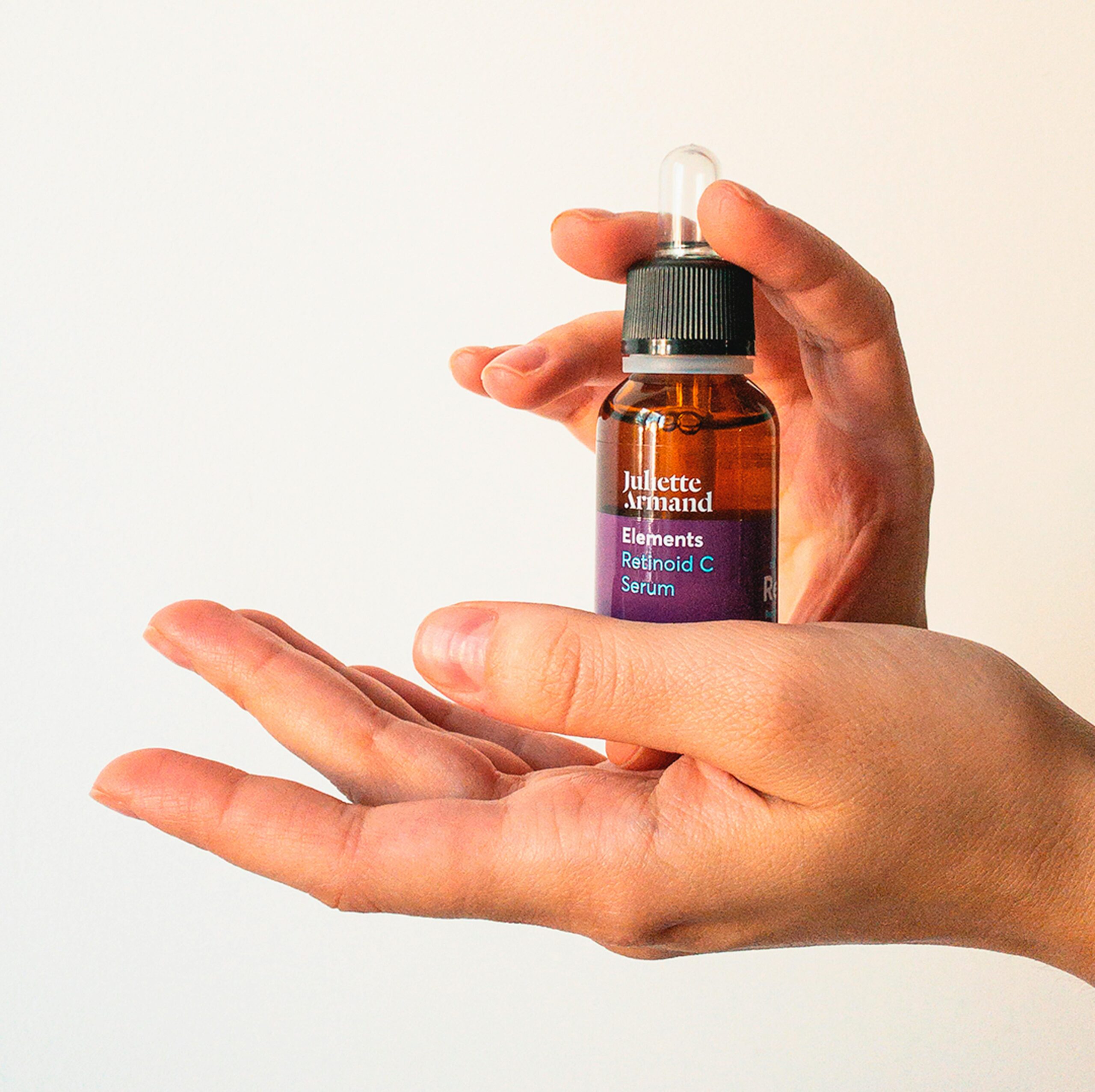
Retinoids, vitamin A derivatives, remain the most scientifically validated anti-aging ingredients available. They accelerate cell turnover, stimulate collagen production, and improve skin texture. On labels, look for retinol, retinaldehyde, or prescription-strength tretinoin. Newer derivatives like hydroxypinacolone retinoate offer gentler alternatives with similar benefits.
Retinoids require patience and proper introduction. Start with low concentrations (0.25-0.5%) used twice weekly, gradually increasing frequency as tolerance builds. Always pair with sunscreen, as retinoids increase photosensitivity.
Vitamin C: Brightening and Protection Powerhouse
L-ascorbic acid, the most potent form of vitamin C, combats free radicals, brightens hyperpigmentation, and supports collagen synthesis. Effective concentrations range from 10-20%. However, this form is notoriously unstable and requires careful formulation with proper pH levels (under 3.5).
Alternative forms like sodium ascorbyl phosphate, magnesium ascorbyl phosphate, and tetrahexyldecyl ascorbate offer greater stability at the expense of slightly reduced potency. These derivatives work beautifully for sensitive skin or those intimidated by pure L-ascorbic acid.
Hyaluronic Acid: The Hydration Hero
Despite its name, hyaluronic acid (often listed as sodium hyaluronate) is a humectant, not an exfoliating acid. This moisture magnet holds up to 1,000 times its weight in water, plumping skin and reducing the appearance of fine lines caused by dehydration.
Multi-molecular weight formulations provide optimal benefits. Larger molecules hydrate the surface, while smaller molecules penetrate deeper layers. Applied to damp skin and sealed with an occlusive moisturizer, hyaluronic acid delivers maximum hydration.
Niacinamide: The Multi-Tasking Marvel
Niacinamide, vitamin B3, addresses multiple concerns simultaneously. It regulates sebum production, strengthens the skin barrier, reduces inflammation, minimizes pores, and fades hyperpigmentation. Effective concentrations typically range from 2-10%, with 5% being the sweet spot for most skin types.
This ingredient plays well with others and suits virtually all skin types. Its anti-inflammatory properties make it particularly valuable for acne-prone and sensitive skin.
🧪 Chemical Exfoliants: The Alphabet Acids
Chemical exfoliants dissolve the bonds between dead skin cells, revealing fresher, brighter skin underneath. Understanding the different types helps you select the appropriate acid for your skin concerns.
AHAs: Alpha Hydroxy Acids
Water-soluble AHAs work on the skin’s surface, making them ideal for dry, sun-damaged, and aging skin. Glycolic acid, with the smallest molecular size, penetrates deeply and delivers dramatic results but may irritate sensitive skin. Lactic acid offers gentler exfoliation while providing hydration. Mandelic acid, with the largest molecule, suits sensitive and acne-prone skin.
Effective AHA concentrations range from 5-10% for daily use, with professional peels reaching 30-70%. Always introduce gradually and use sunscreen religiously, as AHAs increase photosensitivity.
BHA: Beta Hydroxy Acid
Salicylic acid, the primary BHA in skincare, is oil-soluble, allowing it to penetrate pores and dissolve sebum. This makes it indispensable for acne-prone and oily skin. Concentrations of 0.5-2% work effectively for regular use, with 2% being the over-the-counter maximum in many regions.
BHA also possesses anti-inflammatory properties, making it suitable for rosacea when used cautiously. Unlike AHAs, it’s gentler and less likely to cause irritation despite its pore-penetrating prowess.
PHAs: Polyhydroxy Acids
Newer-generation PHAs like gluconolactone and lactobionic acid offer the benefits of AHAs with larger molecular structures that can’t penetrate as deeply. This translates to gentle exfoliation without irritation, perfect for sensitive, rosacea-prone, or compromised skin barriers.
🛡️ Barrier-Supporting Ingredients: The Foundation of Healthy Skin
No amount of actives will deliver results if your skin barrier is compromised. These ingredients strengthen, repair, and maintain the protective barrier that keeps skin healthy, hydrated, and resilient.
Ceramides: The Mortar Between Your Skin’s Bricks
Ceramides comprise approximately 50% of your skin’s lipid barrier. Topical ceramides replenish these essential lipids, especially important for dry, eczema-prone, or aging skin. Look for formulations containing multiple ceramide types (ceramide NP, AP, EOP) combined with cholesterol and fatty acids for optimal barrier repair.
Peptides: Communication Molecules
Peptides are short chains of amino acids that signal skin cells to perform specific functions like producing collagen, elastin, or hyaluronic acid. While research on topical peptide efficacy continues, certain types like Matrixyl (palmitoyl pentapeptide-4) and copper peptides show promising results for anti-aging.
Antioxidants: Environmental Protection Squad
Beyond vitamin C, numerous antioxidants neutralize free radicals generated by UV exposure, pollution, and stress. Vitamin E (tocopherol), ferulic acid, resveratrol, green tea extract (camellia sinensis), and coenzyme Q10 all provide protective benefits. Antioxidant combinations often work synergistically, offering greater protection than single ingredients.
⚠️ Ingredients to Approach with Caution
Not every ingredient suits every skin type. Understanding potential irritants and allergens helps you avoid problematic formulations and identify causes of reactions.
Fragrances and Essential Oils
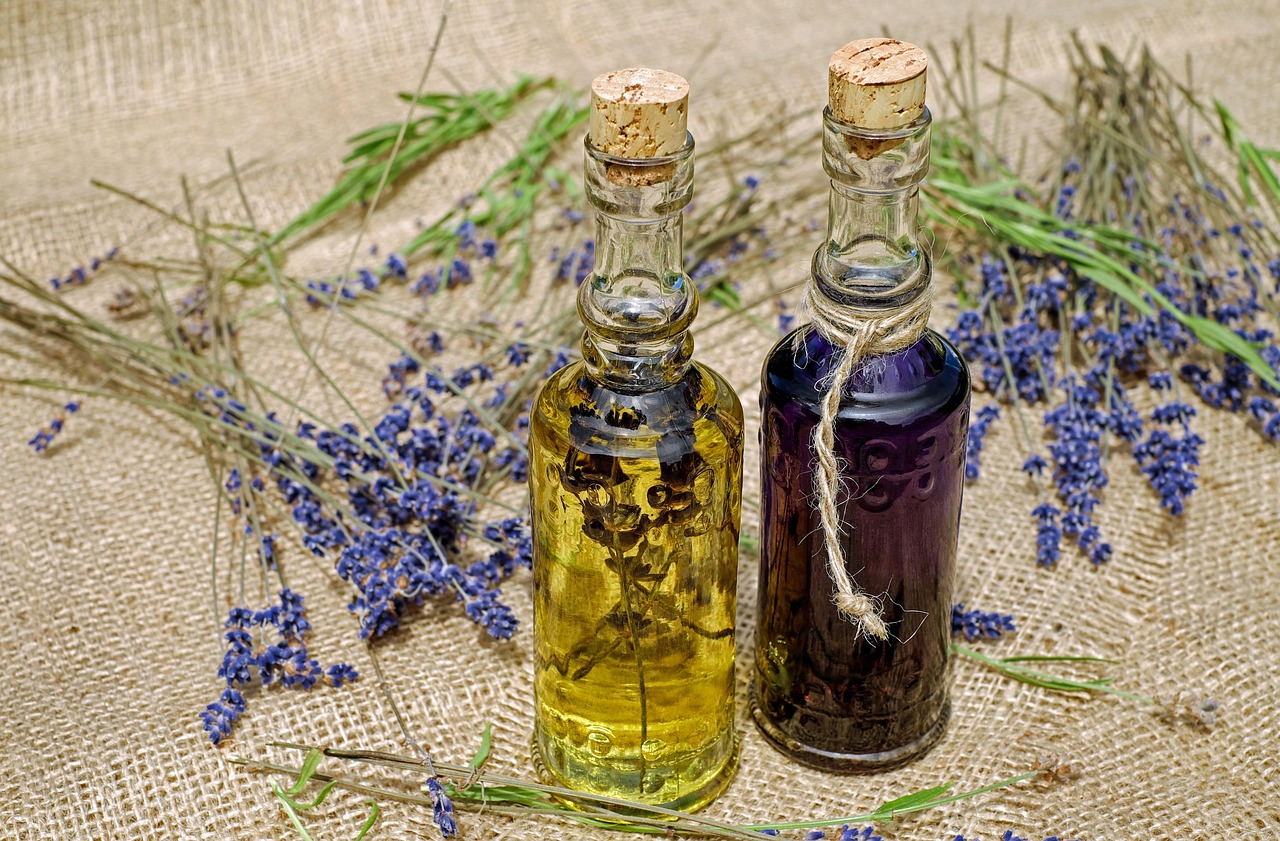
Fragrance ranks among the most common cosmetic allergens. Both synthetic fragrances (listed as “parfum” or “fragrance”) and natural essential oils can trigger sensitivity reactions, even in products marketed as “natural” or “clean.” For sensitive skin, fragrance-free formulations minimize irritation risk.
However, not everyone reacts to fragrance. If your skin tolerates it well and you enjoy scented products, there’s no need to eliminate it. The key is knowing whether it affects your individual skin.
Alcohol and Its Many Forms
Not all alcohols are created equal. Simple alcohols (alcohol denat, isopropyl alcohol, SD alcohol) can be drying and irritating, especially in high concentrations. However, fatty alcohols (cetyl alcohol, stearyl alcohol, cetearyl alcohol) are actually emollients that soften and condition skin.
Context matters—volatile alcohols in toners can disrupt the barrier, while small amounts in serums that evaporate quickly may cause no issues. Look at where alcohol appears in the ingredient list to gauge concentration.
Physical vs. Chemical Sunscreen Filters
Sunscreen remains non-negotiable for skin health. Physical filters (zinc oxide, titanium dioxide) sit on the skin’s surface, reflecting UV rays. They suit sensitive skin but may leave a white cast. Chemical filters (avobenzone, octinoxate, octisalate) absorb UV rays but occasionally cause irritation or allergic reactions.
Neither type is inherently superior—choose based on your skin’s tolerance, cosmetic preferences, and environmental concerns. The best sunscreen is the one you’ll actually wear consistently.
💡 Building Your Personalized Routine Based on Ingredient Knowledge
Understanding ingredients enables strategic routine construction. Rather than collecting products randomly, select formulations that work synergistically to address your specific concerns.
The Minimalist Approach
Effective skincare needn’t be complicated. A streamlined routine with well-formulated products often outperforms elaborate multi-step regimens. Focus on these essentials: gentle cleanser, targeted treatment (with actives addressing your primary concern), moisturizer with barrier-supporting ingredients, and broad-spectrum SPF.
Layering for Maximum Efficacy
When using multiple actives, proper layering maximizes benefits while minimizing irritation. Apply products from thinnest to thickest consistency: water-based serums before oils, actives before moisturizers. Allow adequate absorption time between layers—30-60 seconds typically suffices.
Certain combinations enhance efficacy: vitamin C with vitamin E and ferulic acid, retinoids with niacinamide (despite outdated warnings against this pairing), peptides with hyaluronic acid. Others should be separated: retinoids and exfoliating acids, vitamin C and acids (unless the product is specifically formulated to combine them).
The Patience Principle
Ingredient knowledge must be paired with realistic expectations. Most actives require 8-12 weeks of consistent use before delivering visible results. Skin cell turnover takes approximately 28 days, meaning you need multiple cycles to see improvements.
Resist the temptation to overhaul your entire routine at once. Introduce new products individually, waiting two weeks between additions. This allows you to identify which ingredients benefit your skin and which cause reactions.
🔍 Reading Between the Lines: Marketing Claims vs. Reality
Armed with ingredient knowledge, you can evaluate marketing claims critically. “Clinically proven” doesn’t always mean what you think—studies might involve tiny sample sizes or measure insignificant improvements. “Dermatologist tested” simply means a dermatologist looked at it, not that it’s necessarily effective or recommended.
Percentage claims require context. A product boasting “10% vitamin C” sounds impressive, but if it’s an unstable form in poor packaging, it’s worthless. Meanwhile, a product with 0.025% tretinoin will deliver dramatic results despite the minuscule percentage.
“Clean,” “natural,” and “non-toxic” are marketing terms without regulatory definitions. Natural ingredients aren’t inherently safer—poison ivy is natural. Synthetic ingredients aren’t inherently harmful—retinol is lab-created yet extraordinarily beneficial. Evaluate ingredients individually rather than categorically.
🌟 Empowering Your Skincare Journey Through Knowledge
Mastering ingredient labels transforms your relationship with skincare. You’ll shop with confidence, invest in products that actually work, and avoid formulations that don’t align with your skin’s needs. This knowledge empowers you to experiment thoughtfully, troubleshoot problems effectively, and build a routine that delivers genuine, lasting results.
Skincare is inherently personal. What works miracles for one person might irritate another. By understanding ingredients, you develop the literacy to interpret your skin’s responses and adjust accordingly. You become your own best skincare expert, capable of making informed decisions based on science rather than marketing hype.
Start small—familiarize yourself with the ingredients in products you currently use. Research unfamiliar terms. Notice patterns in what works and what doesn’t. Over time, this knowledge becomes intuitive, allowing you to scan an ingredient list and immediately assess a product’s potential value for your unique skin.
Remember that perfect skin is a marketing myth, not a realistic goal. Healthy, resilient skin that functions optimally is absolutely achievable with patience, consistency, and the right ingredient combinations. Your newfound knowledge is the foundation for that journey toward truly radiant skin.