Achieving radiant, balanced skin doesn’t have to feel like rocket science. When you’re dealing with combination skin, the journey to your best glow starts with understanding exactly what your unique complexion needs.

Combination skin presents a beautiful challenge: managing oily zones while nurturing dry patches, all without tipping the balance too far in either direction. This delicate dance requires a strategic approach that addresses multiple skin concerns simultaneously. The good news? With the right routine blueprint, you can master your glow and achieve the healthy, balanced complexion you’ve always wanted.
Understanding your skin’s behavior patterns throughout the day, recognizing seasonal shifts, and selecting products that work harmoniously together forms the foundation of successful combination skin care. Let’s dive deep into creating your ultimate routine that transforms confusion into confidence.
🔍 Decoding Your Combination Skin Blueprint
Before building your perfect routine, you need to truly understand what combination skin means for you specifically. Most people with combination skin experience oiliness in the T-zone (forehead, nose, and chin) while dealing with normal to dry skin on the cheeks, jawline, and around the eyes.
However, combination skin isn’t one-size-fits-all. Your particular pattern might shift with seasons, hormonal changes, stress levels, or environmental factors. Some days your cheeks might feel perfectly comfortable while your forehead looks like an oil slick by noon. Other times, everything feels balanced except for that persistently dry patch near your temples.
The key to mastering combination skin lies in recognizing these patterns without over-correcting. Many people make the mistake of treating their entire face for oiliness, which strips dry areas even further, or vice versa—over-moisturizing everything and creating congestion in already oily zones.
Identifying Your Skin’s Unique Signals
Pay attention to how your skin feels at different times of day. Does your T-zone start producing oil within an hour of cleansing? Do your cheeks feel tight after washing but your forehead stays comfortable? These observations will guide your product selection and application techniques.
Consider keeping a simple skin journal for one week. Note how different areas of your face respond to your current routine, what the weather is like, stress levels, and any breakouts or dry patches. This information becomes invaluable when fine-tuning your approach.
☀️ The Morning Ritual: Setting Your Skin Up for Success
Your morning routine sets the stage for how your skin will behave throughout the day. For combination skin, this means creating a foundation that controls oil production in necessary areas while maintaining hydration where needed.
Step 1: The Gentle Cleanse
Start with a gentle, pH-balanced cleanser that removes overnight oil accumulation without stripping your skin. Avoid harsh sulfates that can trigger your skin to produce even more oil as a compensatory response. Look for gel or foam cleansers with ingredients like salicylic acid or glycolic acid that gently exfoliate oily zones while remaining gentle on drier areas.
Apply your cleanser with lukewarm water—hot water strips natural oils and can exacerbate both oiliness and dryness. Spend about 60 seconds massaging the product into your skin, paying extra attention to your T-zone where oil and debris tend to accumulate.
Step 2: The Balancing Toner
Toners get a bad reputation from older formulations that were essentially astringents. Modern toners for combination skin work to rebalance your pH, prep your skin for better product absorption, and provide that first layer of hydration.
Choose alcohol-free toners with hydrating ingredients like hyaluronic acid, niacinamide, or rose water. These ingredients help regulate oil production while providing moisture to drier areas. Apply with clean hands or a reusable cotton pad, gently pressing the product into your skin rather than wiping harshly.
Step 3: Targeted Treatments
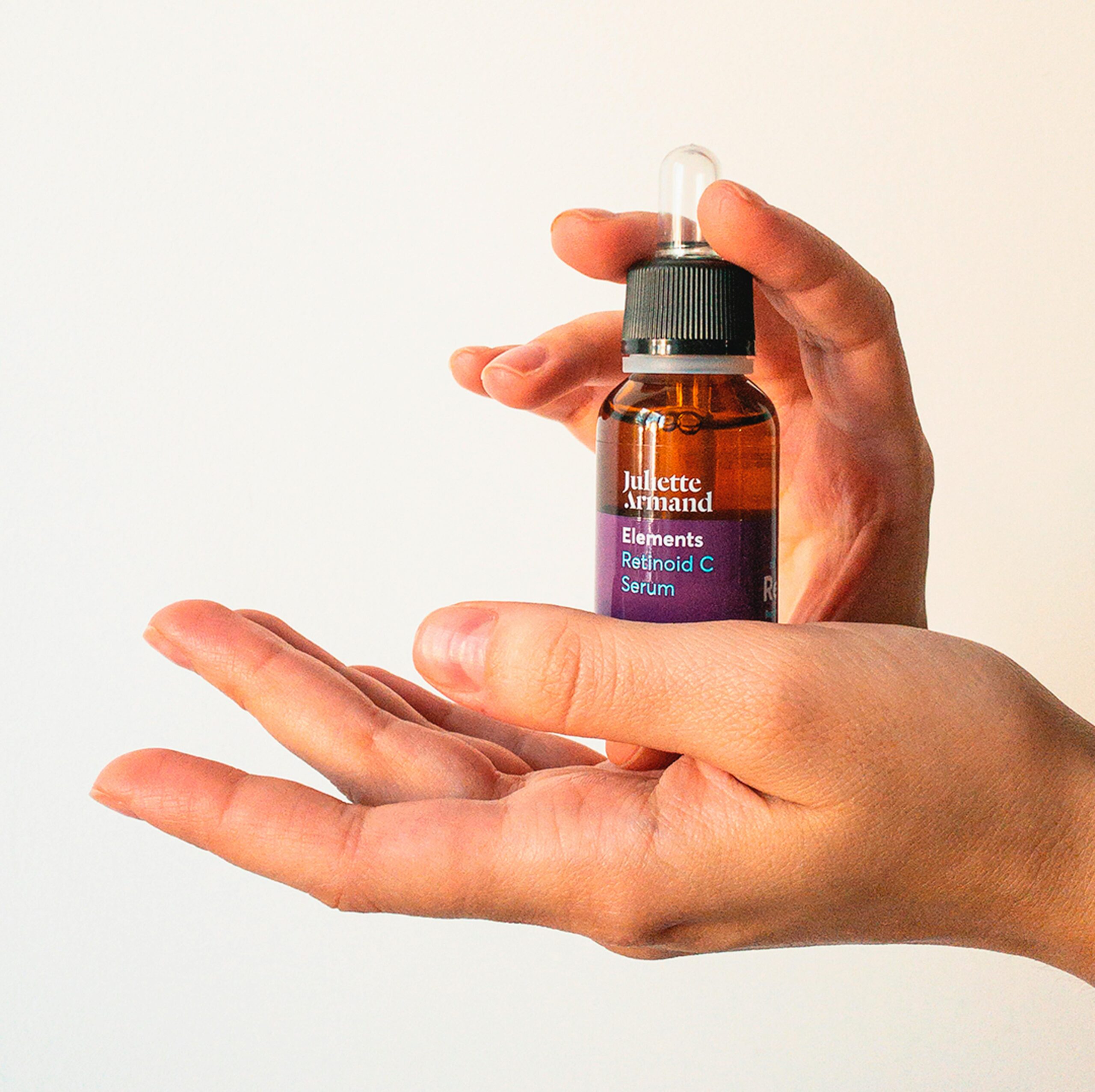
This is where your routine becomes truly customized. For combination skin, consider using different serums or treatments on different areas of your face. A lightweight vitamin C serum works beautifully all over for antioxidant protection and brightness, but you might add a hydrating serum specifically to dry areas.
For oily zones prone to congestion, consider a niacinamide serum that regulates sebum production and minimizes pore appearance. On drier areas, a hyaluronic acid serum draws moisture into the skin and plumps fine lines.
Step 4: Strategic Moisturizing
The biggest misconception about combination skin is that oily areas don’t need moisturizer. Every skin type needs hydration—the key is choosing the right texture for each zone.
Consider using a lightweight, gel-based moisturizer on your T-zone and a slightly richer lotion on your cheeks and dry areas. Alternatively, use one well-formulated, medium-weight moisturizer and simply apply a thinner layer on oily areas and a more generous amount on dry patches.
Look for non-comedogenic formulas with ingredients like ceramides, peptides, and antioxidants that strengthen your skin barrier without clogging pores.
Step 5: Sun Protection That Works
SPF is non-negotiable, regardless of your skin type. For combination skin, modern mineral or hybrid sunscreens offer excellent protection without the heavy, greasy feel of older formulations.
Choose a broad-spectrum SPF 30 or higher with a matte or semi-matte finish. Many newer sunscreens also contain skincare ingredients like niacinamide or hyaluronic acid, making them multitaskers that benefit your overall routine.
🌙 The Evening Reset: Repair and Rebalance
Your nighttime routine focuses on deeper cleansing, repair, and allowing your skin to regenerate without the interference of environmental stressors, makeup, or SPF.
Double Cleansing: The Game Changer
If you wear makeup or sunscreen (which you should), double cleansing becomes essential. Start with an oil-based cleanser or micellar water to dissolve makeup, SPF, and oil-based debris. This might seem counterintuitive for oily areas, but oil actually dissolves oil effectively without triggering increased production.
Follow with your regular water-based cleanser to remove any remaining residue and cleanse your skin thoroughly. This two-step process ensures your skin is truly clean, allowing your nighttime products to penetrate effectively.
Exfoliation: The Weekly Power Move
Exfoliation deserves special attention for combination skin. Both chemical and physical exfoliation have their place, but chemical exfoliants often work better for managing the complexities of combination skin.
Incorporate a BHA (beta hydroxy acid) like salicylic acid for oily, congestion-prone areas 2-3 times weekly. For drier areas, an AHA (alpha hydroxy acid) like lactic or mandelic acid works beautifully to gently remove dead skin cells without irritation.
Some people prefer using different exfoliants on different zones, while others find a gentle combination product that works across their entire face. Listen to your skin and adjust frequency based on how it responds.
Nighttime Treatment Layering
After cleansing and toning, your evening routine can be more treatment-focused than morning. This is when you can introduce more active ingredients that work while you sleep.
Consider incorporating retinol or retinoid products, which improve cell turnover, reduce fine lines, and help with both acne and texture concerns. Start slowly—perhaps twice weekly—and gradually increase as your skin builds tolerance.
For dry patches, a richer serum or facial oil can be applied specifically to those areas. Rosehip oil, squalane, or marula oil provide deep nourishment without clogging pores when used appropriately.
Night Cream: The Protective Seal
Your night moisturizer can be slightly richer than your daytime version since you don’t need to worry about makeup application or shine throughout the day. However, for combination skin, “richer” doesn’t mean heavy or greasy.
Look for night creams with reparative ingredients like peptides, ceramides, and antioxidants. These work overnight to strengthen your skin barrier, repair daily damage, and wake up with more balanced, healthy-looking skin.
💧 Hydration Hacks for All-Day Balance
Beyond your morning and evening routines, maintaining balanced hydration throughout the day keeps combination skin in check.
Keep a facial mist at your desk or in your bag for midday hydration boosts. Choose formulas with skin-beneficial ingredients rather than just plain water, which can actually be drying as it evaporates.
Consider using blotting papers rather than powder for midday touch-ups on oily areas. Powders can cake and emphasize dry patches, while blotting papers remove excess oil without disturbing your skin’s balance.
🍃 Lifestyle Factors That Transform Your Skin
No topical routine, no matter how perfect, can compensate for lifestyle factors that impact your skin health. Your combination skin responds dramatically to internal influences.
Hydration from Within
Drinking adequate water supports your skin’s natural moisture barrier and helps regulate oil production. Aim for at least eight glasses daily, more if you’re active or in dry climates.
Herbal teas, particularly green tea with its antioxidant properties, provide both hydration and skin-beneficial compounds that support your topical routine.
Nutrition for Radiance
Your diet directly impacts your skin’s behavior. Foods high in omega-3 fatty acids (like salmon, walnuts, and flaxseeds) help regulate oil production and reduce inflammation. Antioxidant-rich fruits and vegetables protect against environmental damage and support skin repair.
Reducing processed sugars and dairy can significantly improve combination skin for many people, as these foods can trigger both increased oil production and inflammatory responses.
Sleep: Your Secret Weapon
During sleep, your skin enters repair mode, regenerating cells and balancing oil production. Consistently getting 7-9 hours of quality sleep dramatically improves skin texture, reduces stress-related breakouts, and helps maintain that healthy glow.
Consider using a silk or satin pillowcase, which creates less friction than cotton and helps maintain skin hydration overnight.
Stress Management Matters
Stress triggers cortisol production, which increases oil production and can worsen both acne and inflammation. Incorporating stress management techniques—whether meditation, exercise, journaling, or therapy—directly benefits your skin health.
🎯 Seasonal Adjustments for Year-Round Balance
Combination skin doesn’t stay constant throughout the year. Environmental factors require you to adjust your routine seasonally for optimal results.
During winter months, even oily zones may produce less sebum due to lower humidity and indoor heating. You might need to increase moisturizer intensity across your entire face and reduce the frequency of oil-control treatments.
Summer heat and humidity often mean your T-zone becomes oilier while your cheeks remain relatively stable. This is when lightweight, gel-based products shine, and you might incorporate oil-absorbing masks or treatments more frequently.
Transitional seasons like spring and fall often bring the most balanced version of combination skin, but they can also trigger sensitivity as your skin adjusts to changing conditions. Pay attention to these shifts and adjust products accordingly.
🛑 Common Mistakes to Avoid
Even with good intentions, certain habits sabotage combination skin care efforts. Over-washing is a major culprit—cleansing more than twice daily strips your skin and triggers increased oil production as compensation.
Using products formulated for extreme skin types (either very oily or very dry) rarely works well for combination skin. These formulations are too one-dimensional for your multifaceted needs.
Skipping moisturizer on oily areas seems logical but actually worsens the problem. Without adequate hydration, your skin produces more oil to compensate for perceived dryness.
Inconsistency kills results. Skincare routines need time to work—typically 4-6 weeks before you see significant changes. Constantly switching products prevents you from identifying what actually works for your skin.
✨ The Glow-Up Timeline: What to Expect
Understanding realistic timelines prevents frustration and helps you stay committed to your routine.
- Week 1-2: Your skin adjusts to new products. You might experience minor purging or adjustment as active ingredients begin working. Hydration levels typically improve quickly.
- Week 3-4: You’ll notice improved texture and better oil-dry balance. Makeup application becomes smoother, and your skin feels more comfortable throughout the day.
- Week 6-8: Significant improvements in skin tone, reduced congestion in oily zones, and minimized dry patches become apparent. This is when your glow truly emerges.
- Week 12+: Long-term benefits like improved skin barrier function, reduced sensitivity, and consistently balanced hydration establish themselves. Your skin becomes more resilient and easier to maintain.
💪 Building Your Personalized Blueprint
Armed with this comprehensive understanding, you’re ready to build your personalized routine. Start with the basics—cleanser, moisturizer, and SPF—then gradually introduce treatments and targeted products.
Take progress photos in consistent lighting every two weeks. Your mirror perception can be unreliable, but photos document real changes and help you identify what’s working.
Remember that perfect skin doesn’t exist, and combination skin will always have some variation across different zones. The goal isn’t uniformity but rather healthy, balanced skin that feels comfortable and looks radiant.
Your journey to mastering your glow is exactly that—a journey, not a destination. As your skin, lifestyle, and environment change, your routine will evolve too. This flexibility, combined with consistent core practices, creates the foundation for long-term skin health and that coveted balanced glow. Embrace your combination skin’s uniqueness, treat each zone with the specific care it needs, and watch as your complexion transforms into its healthiest, most radiant version. Your ultimate routine blueprint isn’t about perfection—it’s about understanding, consistency, and giving your skin exactly what it needs to thrive. 🌟