Teen skin doesn’t have to be complicated. With the right approach and consistent habits, achieving clear, healthy skin is within reach for every teenager navigating hormonal changes and daily challenges.

The teenage years bring exciting changes, but they also introduce skin concerns that can feel overwhelming. Between hormones, school stress, sports activities, and social pressures, your skin faces daily challenges that require attention and care. The good news? Building an effective skincare routine doesn’t require expensive products or complicated steps—just knowledge, consistency, and the right approach for your unique skin type.
🌟 Understanding Teen Skin: What Makes It Different
Teenage skin operates differently than adult or childhood skin due to hormonal fluctuations that typically begin during puberty. These hormonal changes trigger increased sebum production, which can lead to clogged pores, blackheads, whiteheads, and acne breakouts. Understanding these changes helps you respond appropriately rather than fighting against your body’s natural processes.
During adolescence, androgens—hormones present in both males and females—increase significantly. These hormones stimulate the sebaceous glands in your skin to produce more oil. While this oil serves the important purpose of keeping skin moisturized and protected, excess production can mix with dead skin cells and bacteria, creating the perfect environment for acne development.
Teen skin also tends to be more resilient and regenerates faster than mature skin, which means it responds well to proper care. This resilience is your advantage—establishing good habits now sets the foundation for healthy skin throughout your life.
The Foundation: Identifying Your Skin Type
Before building your perfect routine, you need to understand your skin type. This knowledge guides every product choice you make and prevents wasting money on items that won’t work for you.
Oily Skin Characteristics
Oily skin appears shiny, especially across the forehead, nose, and chin (the T-zone). Pores look larger, and you may experience frequent breakouts. Your skin might feel greasy just a few hours after washing. If this sounds familiar, your skin produces excess sebum, and you’ll benefit from oil-control products and lightweight, non-comedogenic formulas.
Dry Skin Indicators
Dry skin feels tight, especially after cleansing, and may appear flaky or rough in texture. You might experience itchiness or see dry patches. Despite being a teenager, your skin doesn’t produce enough natural oils, requiring gentle cleansers and richer moisturizers to maintain the skin barrier.
Combination Skin Patterns
Combination skin displays characteristics of both oily and dry skin—typically oily in the T-zone while normal or dry on the cheeks. This common skin type requires balanced products that address both concerns without over-treating either area.
Sensitive Skin Signals
Sensitive skin reacts easily to products, weather, or stress, showing redness, burning, stinging, or itching. You might notice reactions to fragranced products or harsh ingredients. This skin type demands gentle, fragrance-free formulations and careful product introduction.
🧼 The Perfect Morning Skincare Routine
Morning routines prepare your skin for the day ahead, protecting it from environmental stressors while creating a clean canvas for any makeup or sunscreen application.
Step 1: Gentle Cleansing
Start with a gentle, pH-balanced cleanser appropriate for your skin type. Wet your face with lukewarm water—never hot, as it strips natural oils—and apply a small amount of cleanser. Massage gently in circular motions for 30-60 seconds, paying attention to your T-zone where oil accumulates most. Rinse thoroughly and pat dry with a clean towel.
For oily skin, look for gel or foaming cleansers with salicylic acid. Dry skin benefits from cream or milk cleansers. Combination skin works well with gentle foaming cleansers, while sensitive skin needs fragrance-free, hypoallergenic options.
Step 2: Toning (Optional but Beneficial)
Toners balance skin pH after cleansing and prepare skin to absorb subsequent products better. Apply toner to a cotton pad or your hands and gently pat onto your face and neck. Avoid alcohol-based toners that can irritate and dry out skin, even if you’re oily-skinned. Instead, choose hydrating toners with ingredients like hyaluronic acid or witch hazel.
Step 3: Targeted Treatment
If you’re treating specific concerns like acne, morning is the time to apply targeted treatments. For acne-prone skin, products containing benzoyl peroxide or salicylic acid work effectively. Apply these treatments to problem areas or all over, depending on product instructions and your skin’s needs. Always start with lower concentrations to assess tolerance.
Step 4: Moisturizing
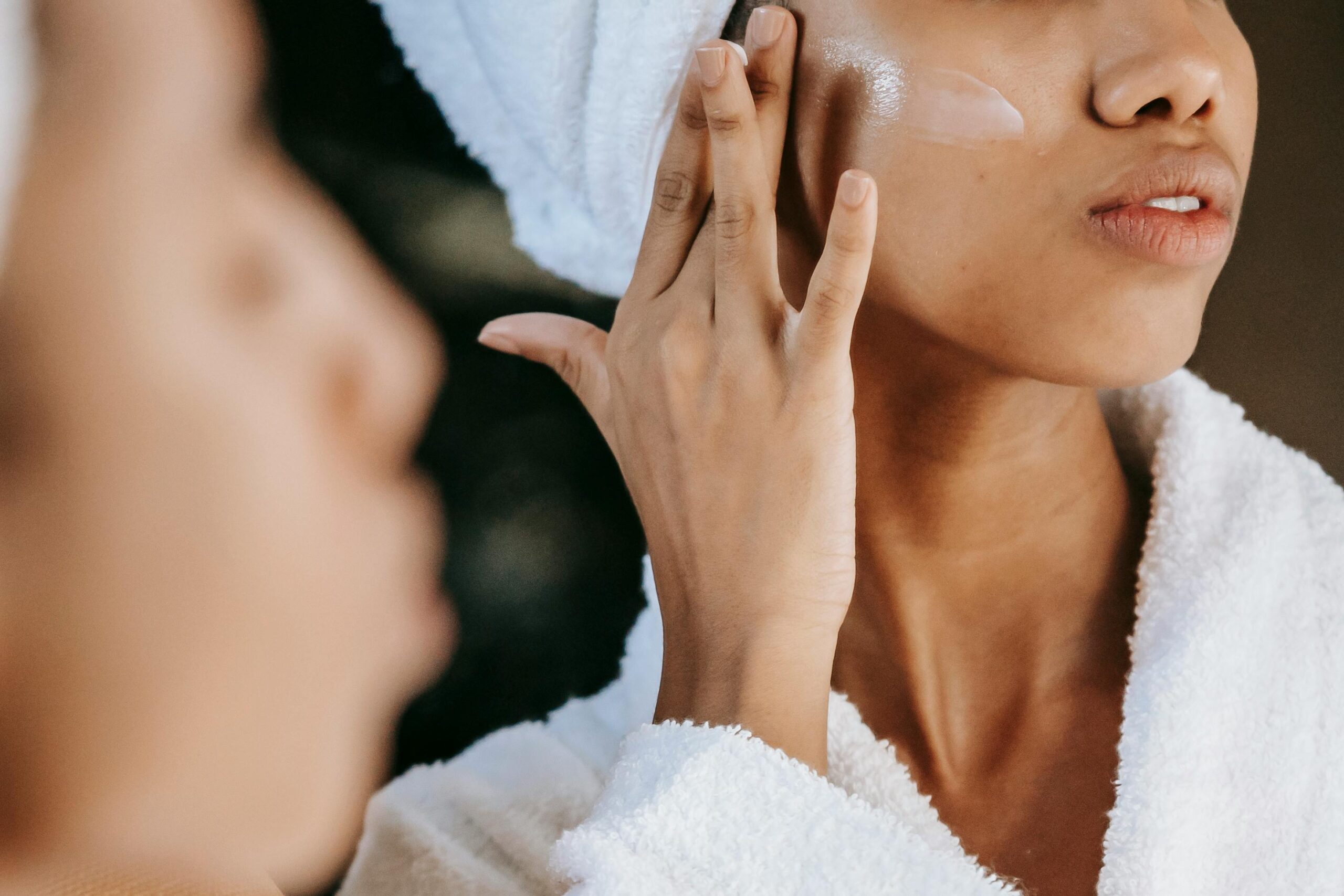
Every skin type needs moisturizer—yes, even oily skin! Moisturizers maintain your skin barrier and prevent your skin from overcompensating by producing excess oil. Choose lightweight, oil-free gel moisturizers for oily skin. Dry skin benefits from richer cream formulas. Combination skin can use different products on different zones or opt for a balanced lotion.
Step 5: Sun Protection ☀️
Sunscreen is non-negotiable, regardless of weather or season. UV damage accumulates over time, causing premature aging, hyperpigmentation, and increasing skin cancer risk. Choose a broad-spectrum SPF 30 or higher. Mineral sunscreens (with zinc oxide or titanium dioxide) work well for sensitive or acne-prone skin, while chemical sunscreens offer lightweight options for daily wear.
Apply sunscreen as the final step of your morning routine, using enough to cover your entire face and neck—about a nickel-sized amount. Reapply every two hours when spending extended time outdoors.
🌙 The Essential Evening Skincare Routine
Evening routines focus on cleansing away the day’s accumulation of dirt, oil, pollution, and makeup while supporting your skin’s natural overnight repair processes.
Double Cleansing Method
If you wear sunscreen, makeup, or heavy products during the day, double cleansing ensures thorough removal. Start with an oil-based cleanser or micellar water to dissolve makeup and sunscreen. Follow with your regular water-based cleanser to remove any remaining impurities and oil residue.
Evening Treatments
Nighttime is ideal for using stronger active ingredients since your skin isn’t exposed to sun or environmental stressors. For acne-prone skin, alternate between treatments to prevent irritation—use salicylic acid one night and benzoyl peroxide another, or use retinoids on alternating nights.
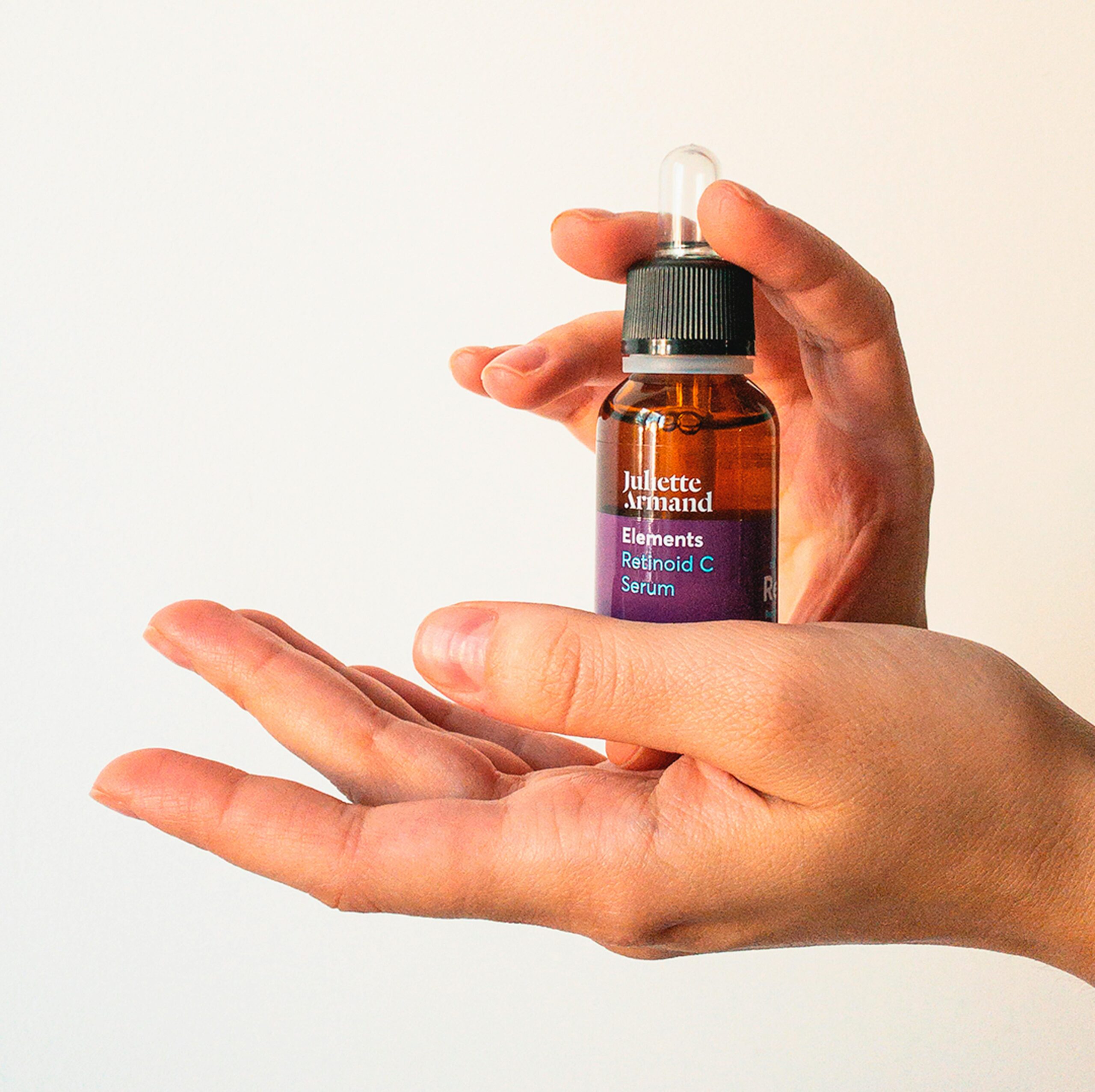
Retinoids deserve special mention for teen skin struggling with acne. These vitamin A derivatives unclog pores, reduce inflammation, and promote cell turnover. Start with over-the-counter retinol or adapalene gel, applying a pea-sized amount to clean, dry skin two to three times weekly, gradually increasing frequency as tolerated.
Night Moisturizer
Evening moisturizers can be slightly richer than morning formulas since you won’t layer sunscreen on top. This is your opportunity to deeply hydrate and support skin repair. Look for moisturizers with ingredients like niacinamide, ceramides, or peptides that work overnight to strengthen your skin barrier and reduce inflammation.
💧 Hydration and Lifestyle Factors
External skincare products work best when supported by internal health practices. Your daily habits significantly impact skin appearance and function.
Water Intake
Adequate hydration maintains skin moisture from within. Aim for 8-10 glasses of water daily, more if you’re active or in hot climates. Proper hydration helps flush toxins, delivers nutrients to skin cells, and maintains skin elasticity.
Diet and Nutrition
Your diet directly affects skin health. Foods high in refined sugars and dairy may trigger or worsen acne for some people. Instead, focus on anti-inflammatory foods rich in omega-3 fatty acids (salmon, walnuts), antioxidants (berries, leafy greens), and vitamins A, C, and E. These nutrients support collagen production, fight free radicals, and promote healing.
Sleep Quality
During sleep, your skin repairs damage and regenerates cells. Aim for 8-10 hours nightly. Poor sleep increases cortisol levels, triggering inflammation and potential breakouts. Establish a consistent sleep schedule and create a calming bedtime routine to improve both sleep quality and skin health.
Stress Management
Stress hormones like cortisol increase oil production and inflammation, directly contributing to breakouts. Incorporate stress-reduction techniques like exercise, meditation, journaling, or hobbies you enjoy. Regular physical activity also increases blood flow, delivering oxygen and nutrients to skin while removing waste products.
❌ Common Skincare Mistakes to Avoid
Understanding what not to do is equally important as knowing the right steps. These common mistakes sabotage even the best skincare routines.
Over-Cleansing and Over-Exfoliating
Washing your face more than twice daily or scrubbing aggressively strips natural oils, triggering increased oil production and irritation. Similarly, excessive exfoliation damages the skin barrier, causing sensitivity, redness, and paradoxically more breakouts. Limit physical exfoliation to once or twice weekly, and if using chemical exfoliants, start slowly.
Picking and Popping Pimples
This tempting habit pushes bacteria deeper into skin, extends healing time, and increases scarring risk. Instead, apply spot treatments and let blemishes heal naturally. If you must extract a whitehead, do so with clean hands and tools, applying gentle pressure only to fully formed pimples.
Using Too Many Products
More products don’t equal better results. Overloading skin with multiple active ingredients causes irritation and makes it impossible to identify what’s actually working. Start with basics—cleanser, moisturizer, sunscreen—then add treatments one at a time, waiting several weeks to assess effectiveness.
Skipping Sunscreen
UV damage is cumulative and largely invisible until later in life. Many acne treatments increase sun sensitivity, making sunscreen even more critical. Make daily SPF application habitual, regardless of skin tone or weather conditions.
Sharing Products or Makeup
Sharing skincare, makeup, or tools transfers bacteria and can spread infections. Use your own products and regularly clean any tools that touch your face, including makeup brushes, beauty sponges, and phone screens.
📱 Tracking Your Skincare Progress
Monitoring your skin’s response to your routine helps you understand what works and identify triggers for breakouts or irritation. Consider using skincare tracking apps that allow you to photograph your skin regularly, log products used, and note any changes or reactions.
Take weekly photos in consistent lighting and from the same angles. This objective documentation shows progress that you might not notice daily in the mirror. Record any new products introduced, dietary changes, stress levels, or hormonal fluctuations that might affect your skin.
🎯 When to Seek Professional Help
While most teen skin concerns respond well to consistent home care, certain situations warrant professional guidance. Consult a dermatologist if you experience severe or cystic acne that doesn’t improve with over-the-counter treatments, painful nodules under the skin, significant scarring, or persistent skin problems affecting your mental health and confidence.
Dermatologists can prescribe stronger topical treatments, oral medications, or recommend procedures like chemical peels or extractions performed in sterile conditions. Early professional intervention prevents scarring and addresses problems before they worsen.
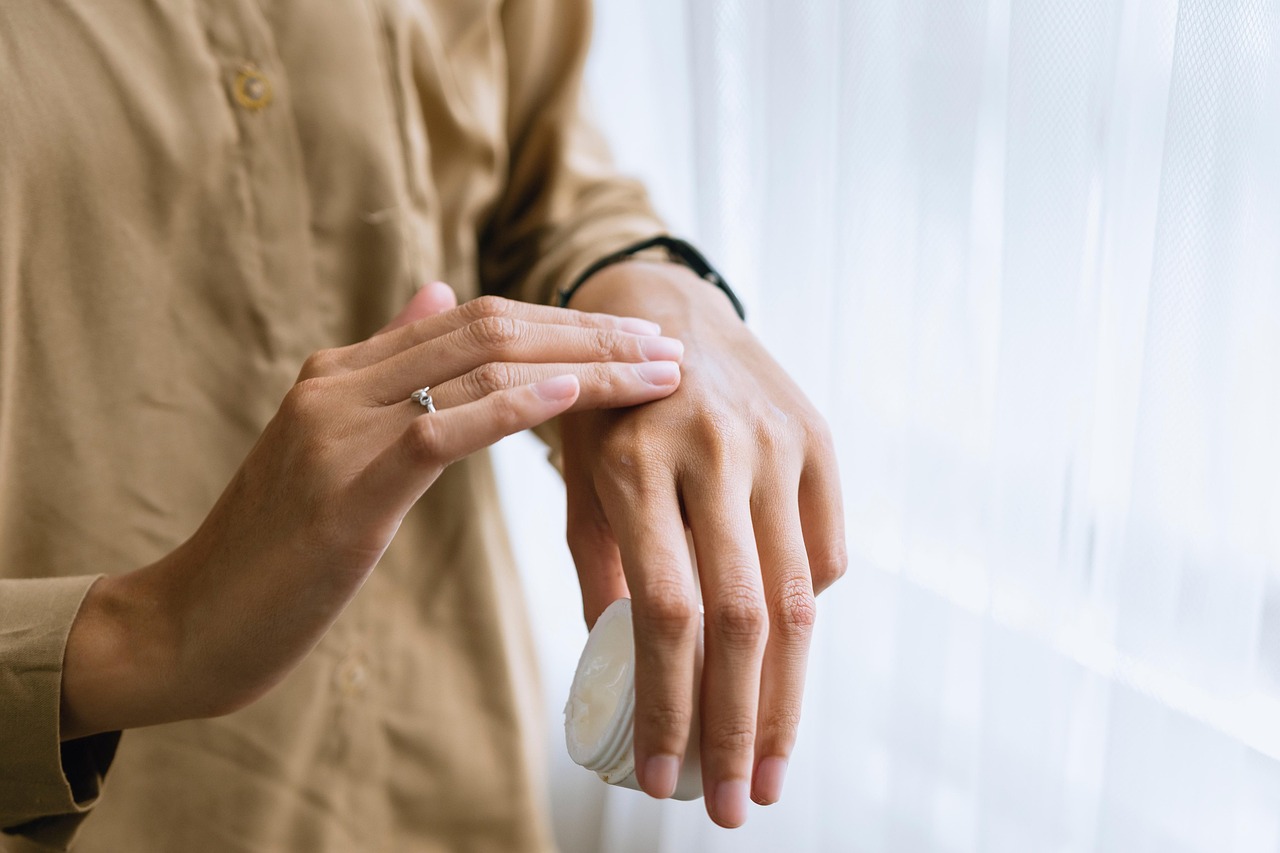
Building Confidence Through Consistent Care ✨
Clear skin contributes to confidence, but the journey matters as much as the destination. Establishing a skincare routine teaches discipline, self-care, and patience—valuable life skills extending beyond skincare. Remember that everyone’s skin is different, and what works for friends or influencers might not work for you.
Give each routine or product at least 4-6 weeks before expecting significant results. Skin cell turnover takes time, and most treatments require consistent use to show benefits. Be patient with your skin and kind to yourself during the process.
Your teenage years are the perfect time to establish healthy skincare habits that will serve you throughout life. By understanding your skin type, following a consistent routine tailored to your needs, supporting skincare with healthy lifestyle choices, and avoiding common mistakes, you’re setting yourself up for clear, healthy, confident skin every day.
Start simple, stay consistent, and remember that healthy skin is a journey, not a destination. Your dedication to proper skincare now creates the foundation for beautiful, resilient skin for years to come. Embrace the process, celebrate small improvements, and know that investing time in your skin health is an investment in your overall wellbeing and confidence.