# Master the Perfect Shave: Timing Your Skincare Actives for Smooth, Healthy, and Radiant Skin

Achieving a flawless shave goes beyond sharp razors and quality shaving cream. The secret lies in strategically timing your skincare actives to complement your shaving routine.
Understanding when to apply potent ingredients like retinoids, vitamin C, or exfoliating acids can transform your post-shave experience from irritated and red to smooth and glowing. This comprehensive guide explores the science behind timing your skincare actives around shaving, helping you build a routine that maximizes results while minimizing irritation.
🪒 The Science Behind Shaving and Skin Sensitivity
Shaving is essentially a form of physical exfoliation that removes the outermost layer of dead skin cells along with hair. While this can leave skin feeling smooth initially, it also temporarily compromises your skin’s protective barrier, making it more vulnerable to irritation and sensitivity.
When you drag a blade across your skin, you create microscopic abrasions that aren’t always visible to the naked eye. This process triggers an inflammatory response as your skin works to repair itself. During this vulnerable window, introducing certain active ingredients can either support healing or cause significant irritation.
The epidermis becomes more permeable after shaving, meaning that both beneficial and potentially irritating ingredients penetrate more deeply. This increased absorption can work in your favor when timed correctly, but it can also lead to redness, burning, and prolonged sensitivity when handled poorly.
Understanding Skincare Actives and Their Impact
Not all skincare ingredients are created equal when it comes to post-shave application. Skincare actives are concentrated ingredients designed to target specific skin concerns, from aging to hyperpigmentation to acne. Their potency makes timing critical.
Retinoids and Retinol
These vitamin A derivatives are powerhouse anti-aging ingredients that increase cell turnover and stimulate collagen production. However, they’re also among the most potentially irritating actives, especially on freshly shaved skin. Retinoids can cause dryness, peeling, and heightened sun sensitivity even on intact skin.
Alpha Hydroxy Acids (AHAs) and Beta Hydroxy Acids (BHAs)
Chemical exfoliants like glycolic acid (AHA) and salicylic acid (BHA) dissolve the bonds between dead skin cells, revealing fresher skin underneath. Since shaving already provides physical exfoliation, layering chemical exfoliation immediately afterward creates a double-exfoliation scenario that can strip the skin barrier.
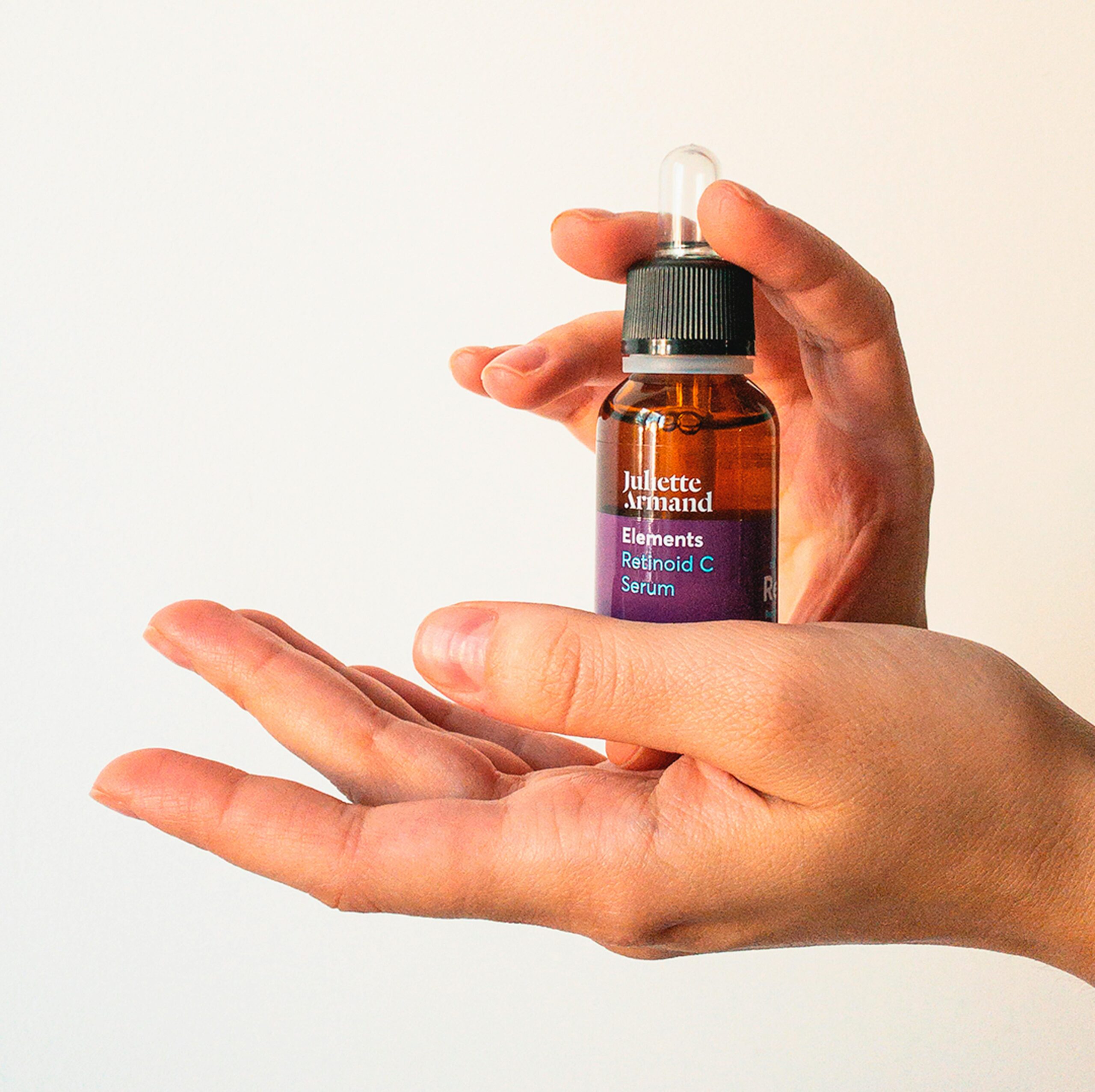
Vitamin C (L-Ascorbic Acid)
This brightening antioxidant is generally well-tolerated but can sting on compromised skin. Pure L-ascorbic acid formulations tend to have lower pH levels, which can increase discomfort on freshly shaved skin.
Niacinamide
This form of vitamin B3 is remarkably gentle and actually helps strengthen the skin barrier, reduce inflammation, and regulate oil production. It’s one of the safer actives to use around your shaving schedule.
⏰ The Golden Rule: Wait Before Applying Strong Actives
The most important principle for combining shaving and skincare actives is patience. Your skin needs time to recover from the physical trauma of shaving before you introduce potent ingredients.
A general guideline is to wait at least 6-12 hours after shaving before applying strong actives like retinoids or chemical exfoliants. For some people with sensitive skin, waiting 24 hours is even better. This waiting period allows your skin barrier to begin its repair process and reduces the risk of irritation significantly.
If you shave in the morning, consider moving your active treatments to your evening routine—but only on days when you didn’t shave that same morning. Conversely, if you prefer evening shaves, apply your actives the following evening, not immediately after.
Building Your Pre-Shave Skincare Routine
What you do before shaving matters just as much as what you do afterward. Preparing your skin properly creates the foundation for a smoother shave with less irritation.
Cleanse with Lukewarm Water
Start with a gentle, non-stripping cleanser and lukewarm water. Hot water might feel relaxing, but it can dehydrate your skin and make it more prone to irritation. A proper cleanse removes dirt, oil, and dead skin cells that could interfere with your blade’s glide.
Skip Actives on Shave Days
On mornings when you plan to shave, skip your active treatments entirely. Your pre-shave routine should focus on hydration and preparation, not exfoliation or treatment. Save those powerful ingredients for non-shave days.
Apply a Pre-Shave Oil or Treatment
A quality pre-shave oil creates a protective layer between your skin and the blade, reducing friction and allowing for a smoother glide. Look for non-comedogenic oils like jojoba, argan, or grapeseed that won’t clog pores.
The Perfect Immediate Post-Shave Routine ✨
The moments immediately following your shave are crucial for setting the stage for healthy skin recovery. Your post-shave routine should focus on soothing, hydrating, and protecting.
Rinse with Cool Water
After your final pass with the razor, rinse your face with cool (not cold) water. This helps close pores, reduce inflammation, and soothe any irritation caused by the blade.
Apply Alcohol-Free Aftershave or Toner
Traditional alcohol-based aftershaves can be extremely drying and irritating. Instead, opt for alcohol-free formulas containing soothing ingredients like aloe vera, chamomile, or witch hazel. These ingredients calm inflammation without stripping your skin.
Layer on Hydrating Serums
This is the perfect time for gentle, hydrating ingredients. Hyaluronic acid is an excellent choice because it draws moisture into the skin without causing irritation. Other suitable options include centella asiatica (cica), which supports healing, and niacinamide, which strengthens the barrier.
Seal with Moisturizer
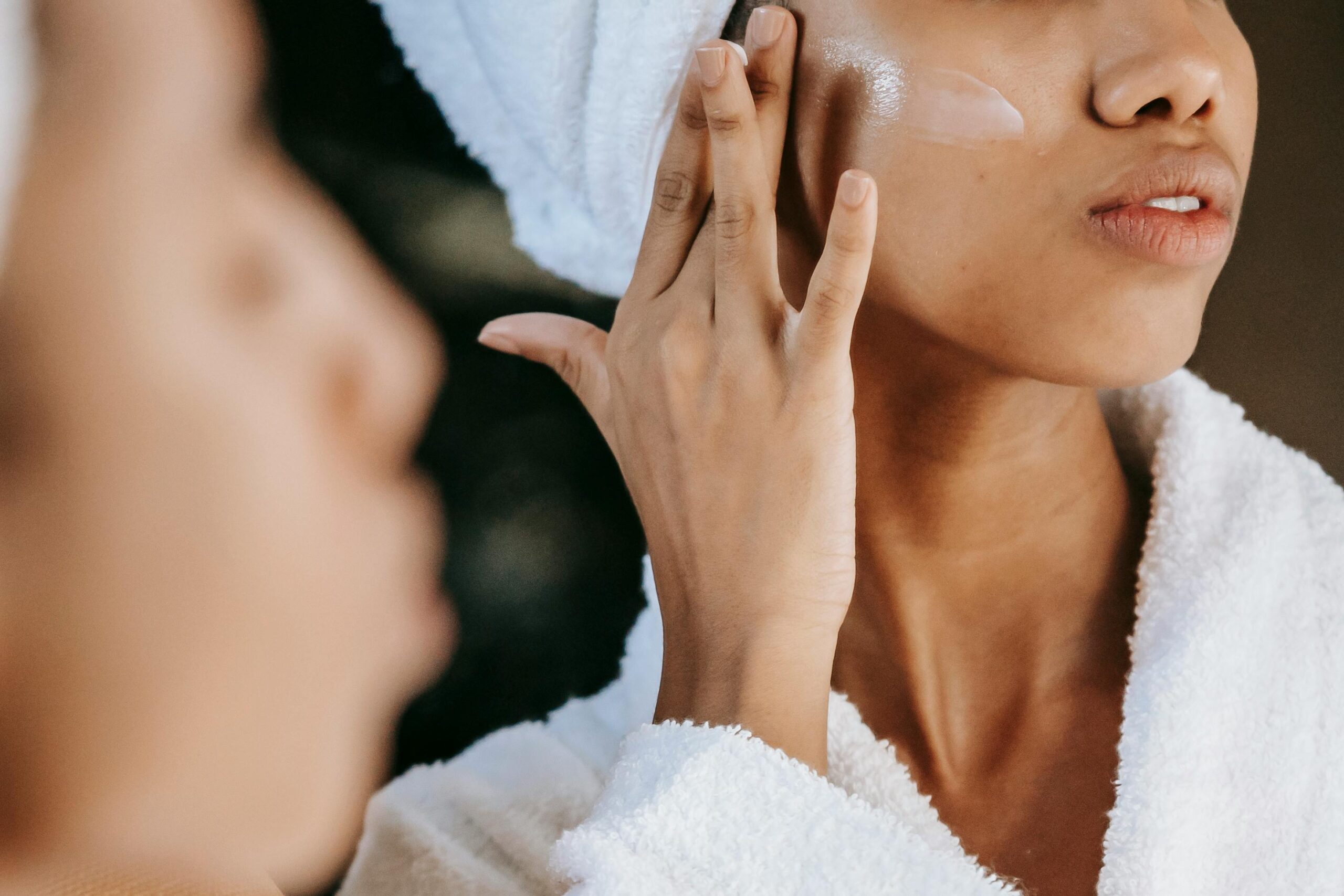
A good moisturizer creates a protective seal over your freshly shaved skin, locking in hydration and protecting against environmental stressors. Look for formulas with ceramides, which help repair the skin barrier, and avoid anything with fragrance or potentially irritating essential oils.
Don’t Forget SPF ☀️
If you shave in the morning, sunscreen is non-negotiable. Your newly exposed skin is more vulnerable to UV damage, and skipping SPF can lead to hyperpigmentation and premature aging. Choose a mineral sunscreen with zinc oxide or titanium dioxide if you have sensitive skin.
Strategic Timing: When to Reintroduce Your Actives
Once your skin has had adequate time to recover from shaving, you can strategically reintroduce your active ingredients. The key is understanding which actives work best at different times and how to layer them effectively.
Evening After a Morning Shave
If you shaved in the morning and your skin feels completely normal by evening (no tightness, redness, or sensitivity), you can cautiously reintroduce gentle actives like niacinamide or a lower concentration vitamin C derivative. However, it’s still wise to skip retinoids and strong acids for at least 24 hours.
24 Hours Post-Shave
This is typically the safest window to reintroduce most actives, including retinoids and chemical exfoliants. Start with a lower frequency than usual—if you typically use retinol every night, consider using it every other night during weeks when you’re shaving regularly.
The Day Before Shaving
Using actives the night before you plan to shave can actually be beneficial. Retinoids and AHAs/BHAs can help prevent ingrown hairs by keeping dead skin cells from clogging pores and trapping hair beneath the surface. Just ensure you apply them at least 8-12 hours before your shave and follow with proper hydration.
Creating a Weekly Shaving and Skincare Schedule
Consistency is key to achieving both a close shave and healthy skin. Here’s a sample weekly schedule that balances shaving with active ingredient use:
| Day | Morning Routine | Evening Routine |
|---|---|---|
| Monday | Cleanse, Shave, Soothing toner, Hydrating serum, Moisturizer, SPF | Cleanse, Niacinamide serum, Moisturizer |
| Tuesday | Cleanse, Vitamin C, Moisturizer, SPF | Cleanse, Retinoid, Moisturizer |
| Wednesday | Cleanse, Moisturizer, SPF | Cleanse, AHA/BHA toner, Hydrating serum, Moisturizer |
| Thursday | Cleanse, Shave, Soothing toner, Hydrating serum, Moisturizer, SPF | Cleanse, Niacinamide serum, Moisturizer |
| Friday | Cleanse, Vitamin C, Moisturizer, SPF | Cleanse, Retinoid, Moisturizer |
| Saturday | Cleanse, Moisturizer, SPF | Cleanse, Hydrating mask, Moisturizer |
| Sunday | Cleanse, Shave, Soothing toner, Hydrating serum, Moisturizer, SPF | Cleanse, AHA/BHA toner, Niacinamide, Moisturizer |
This schedule assumes shaving three times per week. Adjust frequency based on your hair growth rate and skin sensitivity.
🔍 Special Considerations for Different Skin Types
Sensitive Skin
If you have sensitive skin, extend your waiting period to 24-48 hours after shaving before reintroducing actives. Consider using actives less frequently overall, and always introduce new products one at a time to identify potential irritants.
Acne-Prone Skin
Shaving can actually help prevent acne by removing dead skin cells and excess oil, but it can also spread bacteria if not done carefully. Use a clean razor every time, and prioritize BHA (salicylic acid) over AHAs, as it penetrates pores more effectively. Apply BHA at least 12 hours after shaving.
Dry Skin
Dry skin types need extra hydration both before and after shaving. Layer multiple hydrating products post-shave, and consider using a facial oil before your moisturizer to lock in moisture. Be cautious with frequency of exfoliating actives, as they can exacerbate dryness.
Oily Skin
While it might seem counterintuitive, oily skin still needs moisture after shaving. Skip heavy creams in favor of lightweight, gel-based moisturizers. You may tolerate actives sooner than other skin types, but still respect the 12-hour minimum waiting period.
Common Mistakes That Sabotage Your Results
Even with the best intentions, certain habits can undermine your efforts to achieve smooth, healthy skin. Avoid these common pitfalls:
- Using a dull razor: Old blades tug at hair and cause more skin trauma, extending your recovery time and making active application riskier.
- Shaving against the grain too aggressively: While shaving against hair growth can provide a closer shave, it also increases irritation significantly. Always shave with the grain first, then carefully against if needed.
- Over-exfoliating: Remember that shaving is already exfoliation. Using physical scrubs and chemical exfoliants too close to your shave day creates a barrier-damaging combination.
- Skipping moisturizer: Even if you have oily skin, skipping moisturizer after shaving leaves your skin vulnerable and can actually trigger more oil production.
- Ignoring your skin’s signals: Persistent redness, burning, or bumps indicate that your timing needs adjustment. Listen to your skin and extend waiting periods as needed.
Troubleshooting: When Things Go Wrong
Despite your best efforts, you might occasionally experience irritation. Here’s how to recover and adjust your routine:
Immediate Irritation After Applying an Active
If you experience burning or stinging immediately after applying an active post-shave, rinse it off gently with cool water. Apply a soothing layer of plain aloe vera gel or a recovery cream with centella asiatica. Skip all actives for the next few days and focus on barrier repair with gentle, hydrating products.
Persistent Razor Bumps and Ingrown Hairs
If you’re experiencing ongoing issues with ingrown hairs despite proper technique, you may benefit from using a BHA treatment consistently on non-shave days. Salicylic acid helps keep pores clear and prevents hair from becoming trapped beneath the skin surface.
Unexpected Breakouts
Sometimes the products you use immediately after shaving can be too heavy and clog pores. Re-evaluate your post-shave moisturizer and ensure all products are labeled non-comedogenic. Consider switching to lighter formulations.
Maximizing Long-Term Results 🌟
Achieving consistently smooth, healthy, radiant skin requires patience and commitment to a strategic routine. The benefits compound over time as your skin becomes more resilient and better able to handle both shaving and active ingredients.
Track your routine in a journal or skincare app, noting when you shave, which actives you use, and how your skin responds. This data helps you identify patterns and optimize timing for your unique skin needs.
Remember that skincare is highly individual. While these guidelines provide a solid framework, you may need to adjust timing, frequencies, and products based on your skin’s specific responses. What works for one person might need modification for another.
Consider scheduling regular check-ins with a dermatologist, especially if you’re dealing with persistent issues like severe ingrown hairs, chronic irritation, or acne. Professional guidance can help you refine your approach and identify any underlying issues that need medical attention.

The Bottom Line: Patience Pays Off
Mastering the perfect shave while maintaining a powerful skincare routine isn’t about doing everything at once—it’s about strategic timing and respecting your skin’s healing process. By spacing out your shaving sessions and active ingredient applications, you allow your skin the recovery time it needs to stay healthy, strong, and radiant.
The key principles to remember are simple: shave on a clean, prepared canvas; immediately soothe and hydrate afterward; wait at least 12-24 hours before reintroducing strong actives; and always listen to your skin’s feedback. With consistency and patience, you’ll achieve the smooth, glowing complexion you’re after without sacrificing skin health.
Your skin is a living organ that changes with seasons, stress levels, age, and hormones. Stay flexible with your routine, adjusting timing and products as needed. The perfect balance between a close shave and effective active ingredients is absolutely achievable—it just requires a thoughtful, strategic approach that prioritizes both immediate comfort and long-term skin health.