
Maintaining sharp, clean blades is more than just a matter of performance—it’s a critical hygiene practice that impacts your health, safety, and the quality of results you achieve, whether you’re shaving, grooming, cooking, or working on DIY projects.

Every day, millions of people use blades without considering the hidden risks of dull or contaminated edges. From razors that cause skin irritation to kitchen knives harboring bacteria, the frequency with which you change or maintain your blades directly affects both hygiene standards and efficiency. Understanding the optimal replacement schedule for different types of blades can prevent infections, improve performance, and save you money in the long run.
🪒 Why Blade Hygiene Matters More Than You Think
Blades come into direct contact with your skin, food, or materials, creating an environment where bacteria, fungi, and other microorganisms can thrive. A dull blade doesn’t just perform poorly—it becomes a breeding ground for pathogens that can cause infections, skin conditions, and cross-contamination.
When a razor blade becomes dull, it requires more pressure during use, which increases the likelihood of nicks, cuts, and micro-abrasions. These tiny wounds create entry points for bacteria that may have accumulated on the blade’s surface. Similarly, kitchen knives that aren’t properly maintained can harbor salmonella, E. coli, and other dangerous bacteria in microscopic crevices.
The moisture that remains on blades after use creates an ideal environment for microbial growth. Without proper cleaning and timely replacement, even the highest-quality blade can become a health hazard.
Understanding Different Blade Types and Their Lifespans
Not all blades are created equal, and each type has its own recommended replacement schedule based on usage patterns, materials, and exposure to contaminants.
Razor Blades for Personal Grooming
Disposable razor blades are designed for limited use, typically lasting between 5 to 7 shaves for most individuals. However, this number varies significantly based on hair thickness, shaving technique, and the quality of the blade itself.
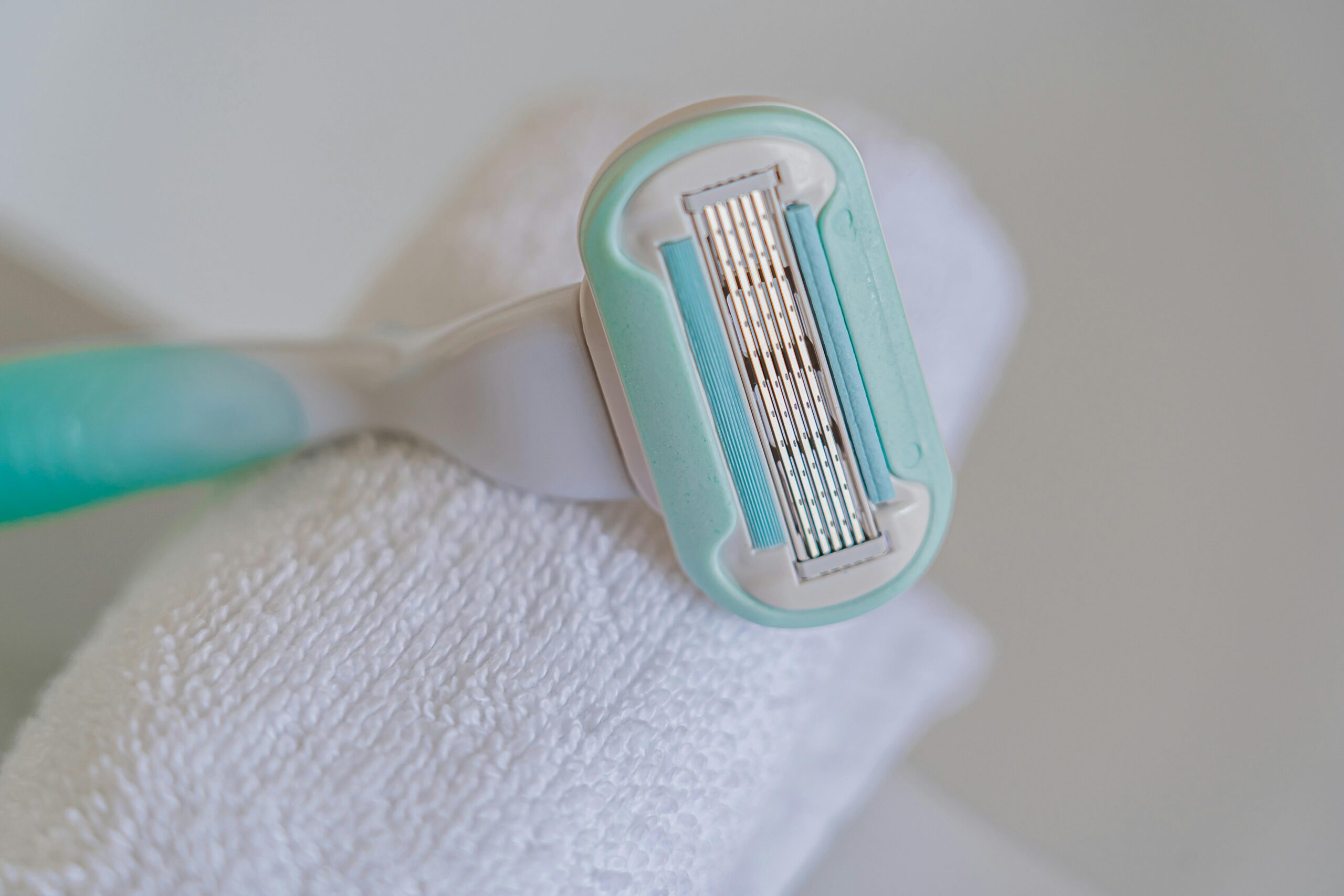
Cartridge razors with multiple blades generally last longer—approximately 10 to 15 shaves—because the workload is distributed across several cutting edges. Safety razors with replaceable blades should be changed every 5 to 7 shaves, while straight razors require regular stropping and professional honing rather than replacement.
Signs that your razor blade needs changing include:
- Increased tugging or pulling during shaving
- Razor burn or irritation after use
- Visible rust or discoloration on the blade
- Difficulty achieving a close shave
- Increased occurrence of nicks and cuts
Kitchen Knives and Culinary Blades
Kitchen knives don’t require replacement as frequently as razors, but they demand regular maintenance to ensure both performance and hygiene. Professional chefs typically sharpen their knives every few days, while home cooks should hone their blades weekly and professionally sharpen them every 6 to 12 months.
A dull kitchen knife is actually more dangerous than a sharp one because it requires excessive force, increasing the likelihood of slipping and causing injury. From a hygiene perspective, dull blades crush and tear food rather than making clean cuts, which can damage cellular structures and accelerate bacterial growth.
Utility and Craft Blades
Box cutters, craft knives, and utility blades used in professional or hobby settings should be changed based on performance degradation. Most utility knife blades should be replaced after every major project or when you notice reduced cutting efficiency.
These blades are relatively inexpensive, making frequent replacement a cost-effective safety measure. A dull utility blade requires more force, increasing the risk of the blade slipping and causing serious injury.
⏰ Creating Your Personal Blade Replacement Schedule
Establishing a systematic approach to blade maintenance and replacement ensures optimal hygiene without unnecessary waste or expense. Your personal schedule should consider usage frequency, blade type, storage conditions, and individual factors like hair thickness or cooking habits.
Daily Users: High-Frequency Blade Contact
If you shave daily, you’ll need to replace disposable razors approximately every week. For cartridge razors, plan on changing them every 10 to 14 days. This frequent replacement schedule prevents bacterial buildup and ensures consistently smooth results without irritation.
Professional chefs and culinary workers should hone their knives at the start of each shift and arrange for professional sharpening monthly. The high-volume use in commercial kitchens accelerates blade degradation and increases contamination risks.
Occasional Users: Moderate Blade Maintenance
For those who shave two to three times weekly, razor blades can last approximately two to three weeks before requiring replacement. The reduced frequency of use doesn’t eliminate hygiene concerns—proper drying and storage between uses remain essential.
Home cooks who prepare meals several times weekly should sharpen kitchen knives every three to six months, depending on usage intensity. Visual inspection and the “tomato test”—if your knife can’t easily slice through a tomato skin without pressure, it needs sharpening—help determine the right timing.
Infrequent Users: Storage and Condition Monitoring
Even if you use blades infrequently, time and environmental factors can degrade their condition. Razor blades should still be replaced every month or two, even with minimal use, because oxidation and moisture exposure can cause deterioration.
Kitchen knives used occasionally still require annual professional sharpening to maintain optimal edge geometry. Proper storage in knife blocks or magnetic strips prevents damage and contamination between uses.
🧼 Proper Blade Cleaning: Between Replacement Best Practices
Extending blade life while maintaining hygiene requires diligent cleaning practices after each use. These protocols vary by blade type but share common principles of removing debris, eliminating moisture, and preventing contamination.
Razor Blade Hygiene Protocol
After each shave, thoroughly rinse your razor under hot water to remove hair, skin cells, and shaving cream residue. Tap the razor gently against the sink to dislodge trapped debris, but avoid banging forcefully, which can damage the blade edge.
Some grooming enthusiasts soak their razors in isopropyl alcohol after use to disinfect and accelerate drying. This practice can extend blade life by preventing oxidation, though it’s not necessary for maintaining basic hygiene standards.
Most importantly, store razors in a dry location away from shower spray. The constant moisture exposure in typical shower caddies significantly accelerates rust formation and bacterial growth.
Kitchen Knife Sanitation Standards
Kitchen knives require immediate washing after cutting raw meat, poultry, or fish to prevent cross-contamination. Use hot, soapy water and a dedicated sponge or cloth, washing the blade from spine to edge to avoid cutting yourself.
Never leave knives soaking in water, which can damage handles and promote bacterial growth in crevices. Similarly, avoid dishwasher cleaning, which exposes blades to harsh detergents and high temperatures that can compromise edge retention and blade integrity.
After washing, dry knives immediately with a clean towel, paying special attention to the area where the blade meets the handle—a common location for moisture accumulation and bacterial colonization.
💰 Cost-Benefit Analysis: When to Repair vs. Replace
Understanding the economics of blade maintenance helps you make informed decisions about replacement timing without compromising hygiene or overspending on unnecessary changes.
For disposable razors and utility blades, replacement is always more practical than attempting repair or extensive cleaning. These products are designed for limited use, and their low cost makes frequent replacement the most economical and hygienic option.
Quality kitchen knives, however, represent significant investments that justify professional sharpening costs. A $100 chef’s knife properly maintained can last decades, making the $10-20 annual sharpening cost extremely cost-effective compared to replacement.
The key consideration is whether the blade’s structural integrity remains intact. Chips, cracks, or significant corrosion indicate that replacement is necessary regardless of potential repair costs. For high-quality items, professional assessment can help determine whether restoration is worthwhile.
🔍 Warning Signs That Demand Immediate Blade Replacement
Certain conditions indicate that a blade has become not just inefficient but actively dangerous from both safety and hygiene perspectives. Recognizing these warning signs prevents injuries and infections.
Visible Physical Damage
Any blade showing chips, cracks, or bent sections should be immediately discarded. These defects compromise cutting performance and create irregular surfaces where bacteria can accumulate and resist cleaning efforts.
Rust formation, even minor spots, indicates that the blade’s protective coating has failed and corrosion has begun. Rust particles can contaminate food or cause skin irritation, making replacement mandatory rather than optional.
Performance Degradation Beyond Normal Dulling
When a blade requires excessive pressure or multiple passes to complete cuts it previously handled easily, the edge geometry has deteriorated beyond simple dullness. This condition increases accident risk and reduces hygiene by creating ragged cuts that damage materials unnecessarily.
For razors, if you experience persistent irritation, ingrown hairs, or increased razor burn despite proper technique, the blade has likely developed microscopic damage that makes it unsuitable for continued use.
Contamination That Cannot Be Adequately Cleaned
If a blade has been dropped in a contaminated area, used on spoiled food, or exposed to biohazardous materials, replacement is often safer than attempting thorough disinfection. The microscopic structure of blade edges makes complete decontamination difficult to verify without specialized equipment.
Environmental Considerations and Sustainable Blade Management
Balancing hygiene requirements with environmental responsibility requires thoughtful approaches to blade selection, maintenance, and disposal. Millions of disposable razors enter landfills annually, creating significant waste concerns.
Safety razors with replaceable blades offer a more sustainable alternative to disposable cartridge systems. While individual blades still require replacement, the reduced plastic waste and longer-lasting handles significantly decrease environmental impact.
For kitchen knives, investing in high-quality blades that can be sharpened repeatedly for decades represents the most environmentally sound choice. This approach requires higher upfront costs but eliminates the waste associated with frequently replacing cheaper knives.
When disposing of old blades, proper containment prevents injury to waste management workers. Wrap blades in cardboard or place them in dedicated sharps containers before disposal. Some communities offer blade recycling programs that recover metal for reprocessing.
🎯 Optimizing Blade Longevity Without Compromising Hygiene
Several strategies can extend blade life while maintaining hygiene standards, offering cost savings without increased health risks.
For razors, shaving after showering when hair is softened requires less force and reduces blade wear. Using high-quality shaving cream or gel provides lubrication that protects both skin and blade edges. Some users report success with pre-shave oils that further reduce friction.
Kitchen knives benefit from proper cutting surface selection. Wooden or plastic cutting boards preserve blade edges far better than glass, marble, or ceramic surfaces. Using appropriate knife types for specific tasks—serrated knives for bread, cleavers for bones—prevents damage from misuse.
Regular stropping for straight razors and honing for kitchen knives realigns edges between sharpenings, extending the interval between major maintenance. These techniques require minimal investment in equipment but deliver substantial benefits in blade performance and longevity.
Professional vs. DIY Blade Maintenance: Making the Right Choice
Deciding whether to maintain blades yourself or seek professional services depends on blade type, your skill level, and cost considerations.
For disposable and cartridge razors, DIY maintenance is limited to proper cleaning and storage. These blades aren’t designed for home sharpening, and attempting to extend their life beyond recommended replacement schedules compromises hygiene and performance.
Kitchen knife sharpening can be performed at home with proper equipment and training. Whetstones, honing rods, and pull-through sharpeners each offer different advantages. However, annual professional sharpening ensures optimal edge geometry that home maintenance alone may not achieve.
Professional services typically cost $5-10 per knife and include inspection for damage that might require repair. This expertise proves valuable for expensive knives where improper home sharpening could cause permanent damage exceeding the service cost.
Special Considerations for Sensitive Skin and Medical Conditions
Individuals with certain skin conditions, immune system compromises, or bleeding disorders require extra vigilance regarding blade hygiene and replacement frequency.
People with eczema, psoriasis, or other inflammatory skin conditions should replace razor blades more frequently—every 3-5 shaves rather than the standard 5-7—because even minor irritation can trigger condition flares. Single-blade razors often prove gentler than multi-blade cartridges for sensitive skin.
Those taking blood thinners or with clotting disorders should prioritize blade sharpness to minimize cutting risk. Paradoxically, the sharpest blades are safest for these individuals because they require minimal pressure and produce cleaner cuts if accidents occur.
Immunocompromised individuals must treat blade hygiene as a critical health measure. More frequent replacement, enhanced cleaning protocols, and possible blade disinfection between uses help prevent infections that could prove serious for vulnerable immune systems.
Building Your Complete Blade Hygiene System
Optimal blade hygiene extends beyond replacement timing to encompass storage, cleaning supplies, and maintenance tools that work together as a comprehensive system.
Create dedicated storage solutions that keep blades dry, protected, and organized. Wall-mounted magnetic strips for kitchen knives, breathable razor stands, and proper toolboxes for utility blades all contribute to extended blade life and improved hygiene.
Invest in appropriate cleaning supplies specific to each blade type. Separate cutting boards for raw meat and produce prevent cross-contamination. Blade guards protect knife edges during storage while preventing accidents.
Maintain a replacement schedule using calendar reminders or visual tracking systems. Simple methods like marking razor packages with first-use dates help ensure timely replacement without relying solely on performance assessment.
Your Path to Sharper, Cleaner, Safer Blade Use
Establishing optimal blade replacement and maintenance routines transforms hygiene from an afterthought into a systematic practice that protects your health, improves results, and extends the life of quality tools.
The investment required—both financial and in terms of attention—remains minimal compared to the benefits of reduced infection risk, better performance, and the confidence that comes from knowing your blades meet the highest hygiene standards. Whether you’re shaving, cooking, or crafting, sharp and clean blades represent an essential foundation for safety and excellence.
Start by assessing your current blade inventory and usage patterns. Identify items that require immediate replacement, establish cleaning protocols for between-use maintenance, and create a replacement schedule appropriate to your needs. These simple steps mark the beginning of a more hygienic, efficient, and cost-effective approach to blade management that will serve you well for years to come.